Alerts

-
3 minutes, 58 seconds
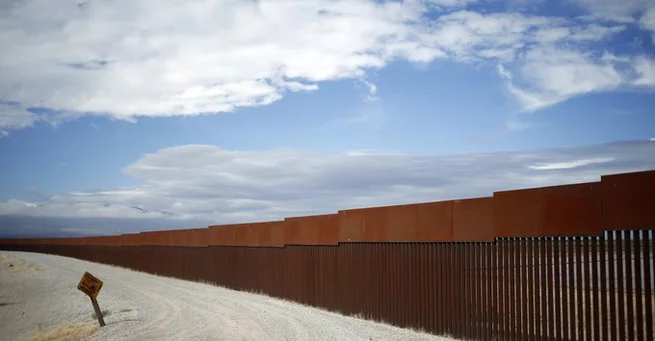
The U.S. military reportedly shot down a Customs and Border Protection (CBP) drone near Fort Hancock, Texas, prompting the Federal Aviation Administration (FAA) to temporarily close nearby airspace. This marks the second drone-related airspace closure near the U.S.-Mexico border this month, highlighting growing concerns about air safety and military coordination.
Officials say the incident occurred when the military employed an anti-drone laser system to neutralize what was perceived as a threat. Fortunately, no populated areas or commercial aircraft were affected. Still, the event has reignited debates about proper protocols and communication between agencies handling unmanned aerial systems.
Earlier this month, the FAA closed airspace near El Paso International Airport after CBP fired an anti-drone laser at what turned out to be a party balloon. That incident underscored the potential risks of misidentifying aerial objects and the consequences of bypassing standard FAA coordination.
This most recent incident involved a smaller airspace closure but, like the first, took place without FAA approval. Military officials maintained that they acted to counter a perceived threat from an unmanned aerial system operating within military airspace. Such repeated missteps are raising questions about whether counter-drone operations are being properly managed along sensitive border regions.
Top Democratic lawmakers overseeing homeland security, aviation, and transportation have voiced sharp criticism. Representatives Bennie Thompson (D-MS), André Carson (D-IN), and Rick Larsen (D-WA) highlighted that concerns about training and coordination for counter-unmanned aircraft systems (C-UAS) operators were raised months ago.
“These repeated incidents show the consequences of bypassing bipartisan legislation designed to ensure proper training and coordination,” the lawmakers stated. Their concerns emphasize a growing urgency for structured oversight to prevent accidental damage or unsafe airspace incidents in the future.
The incident exposes a broader issue: insufficient communication between the Pentagon, CBP, and the FAA. While counter-drone measures are essential for security, accidental take-downs of friendly drones illustrate risks when protocols are unclear. Experts argue that improved joint training and real-time communication could prevent similar mistakes.
Transportation Secretary Sean Duffy previously defended such measures as actions to address “cartel drone incursions.” However, past misidentifications have drawn criticism and highlighted the thin line between security enforcement and operational errors.
These repeated incidents raise critical questions about drone management, military operations, and border security. As drone use continues to grow—both for government operations and civilian purposes—coordination, training, and real-time oversight will be vital to prevent accidents.
Observers warn that without clear rules and inter-agency collaboration, the risk of airspace disruptions and accidental drone losses will likely increase. For residents and travelers near border regions, these events serve as a reminder of the invisible but serious challenges of modern aerial security.










Comment