
Alerts
-
3 minutes, 52 seconds
America Is Removing Key US Forest Protections—Here’s What That Means
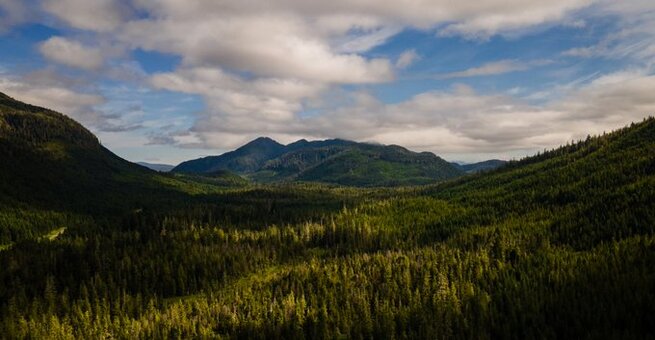
In a move drawing outrage from conservationists and legal experts alike, the US government is stripping away decades-old US forest protections, threatening millions of acres of pristine wilderness. The Department of Agriculture (USDA) recently announced plans to rescind the 2001 Roadless Rule—an environmental safeguard that has kept over 58 million acres of national forest off-limits to road construction and logging. This rollback could directly affect forests like Alaska’s Tongass National Forest, one of the country’s last untouched old-growth ecosystems. While the USDA claims the decision is aimed at improving wildfire management and boosting the timber industry, environmental advocates argue it will do the opposite—putting both wildlife and communities at greater risk.
Why the Rollback of US Forest Protections Matters
The 2001 Roadless Rule was introduced to preserve the nation’s last remaining unfragmented forests by limiting industrial development in those areas. Removing these protections—especially across 92% of the Tongass—paves the way for massive logging and road building, which scientists say can increase wildfire risks rather than reduce them. Roads often introduce ignition sources like vehicles, discarded cigarettes, and campfires. Logging operations typically remove mature trees that are more fire-resilient, leaving behind younger, flammable underbrush. Critics argue that these changes are less about wildfire safety and more about benefiting the timber industry at the expense of ecological stability.
Industry Pressure and Political Motivation Behind Forest Policy Changes
This rollback is not without political context. It follows a series of executive orders prioritizing timber production under the Trump administration. USDA Secretary Brooke Rollins described the Clinton-era Roadless Rule as "overly restrictive"—a sentiment echoed by pro-industry advocates. But conservationists see it as a dangerous precedent that prioritizes short-term economic gains over long-term environmental health. “This is a land grab,” said Andy Moderow from the Alaska Wilderness League, underscoring concerns about public lands being handed over for industrial-scale clear-cutting. Experts also warn this could trigger legal battles as environmental groups move to block the decision.
Climate, Carbon, and the Future of America’s Forests
Forests are more than just landscapes—they’re critical allies in the fight against climate change. US forests sequester over 800 million metric tons of carbon dioxide annually, helping to balance greenhouse gases in the atmosphere. Logging them not only disrupts ecosystems but also undermines carbon storage, accelerating climate impacts. Environmentalists argue that the government should focus on climate-resilient forest management and community fire safety—not outdated “fire suppression” models pushed by logging interests. Keeping US forest protections in place is about more than saving trees—it’s about preserving biodiversity, protecting communities, and safeguarding the planet’s future.










Comment