
-
4 minutes, 12 seconds
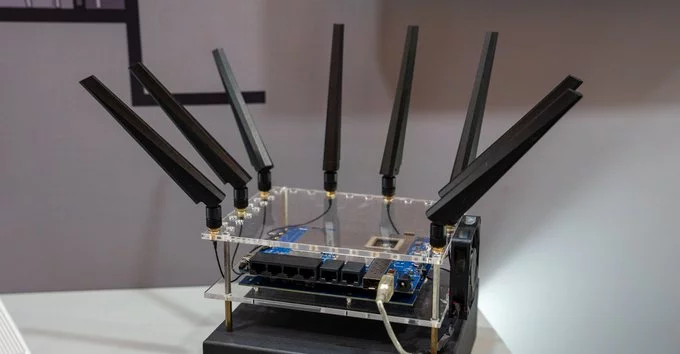
The US government has taken a major step to tighten national cybersecurity by banning the import of consumer routers manufactured outside the country. The move comes amid growing concerns that foreign-made networking devices pose significant security threats. If you were planning to buy a new Wi-Fi or wired router, this ban could drastically limit available options, as most consumer routers are made abroad.
While current routers already in homes can still be used, future imports of foreign-made models are effectively blocked unless companies secure special conditional approvals. This action mirrors previous bans on imported drones, highlighting a broader US strategy to reduce reliance on foreign electronics in critical infrastructure.
The Federal Communications Commission (FCC) has labeled foreign-made routers a “direct threat” to national security. Government officials point to cyberattacks such as Volt, Flax, and Salt Typhoon, which targeted American energy, transportation, and communications networks, allegedly exploiting vulnerabilities in imported routers.
According to the FCC, allowing foreign-produced routers to dominate the US market increases economic, cybersecurity, and national security risks. This assessment reflects the agency’s concern that critical infrastructure could be compromised through widely available consumer devices, making routers a frontline of digital defense.
Router makers now face a difficult choice. Companies can either pursue conditional approval from the FCC, demonstrating that they will manufacture devices in the US, or withdraw their products from the American market altogether. Some companies may follow the path of drone manufacturer DJI, which scaled back US sales after facing similar restrictions.
This regulatory shift is likely to impact major global networking brands, forcing them to reconsider their manufacturing and distribution strategies. For US consumers, it could mean fewer choices and potentially higher prices for new networking equipment, at least until domestic production ramps up.
For now, existing routers remain functional, and previously approved foreign models can continue to be imported. However, anyone planning to upgrade soon may face limited options. Retailers and manufacturers will need to adapt to new FCC rules, and consumers may see a surge in US-made networking devices entering the market.
Cybersecurity experts emphasize that routers are critical points of vulnerability for home and office networks. Regular updates, strong passwords, and network monitoring remain essential, especially as the landscape shifts to domestically produced hardware.
This ban signals a broader strategy to reduce dependence on foreign electronics across the technology sector. By prioritizing domestic manufacturing for critical devices like routers, the US government aims to strengthen cybersecurity and economic resilience. Analysts suggest that similar measures could extend to other types of consumer electronics in the coming years.
As global supply chains adjust, American consumers may experience short-term disruption but could benefit from more secure, domestically produced networking devices over time. The FCC’s move highlights how cybersecurity concerns are increasingly shaping not just corporate strategies but everyday tech availability.

2.5K articles

1.4K articles

34 articles

28 articles














Comment