
-
3 minutes, 20 seconds
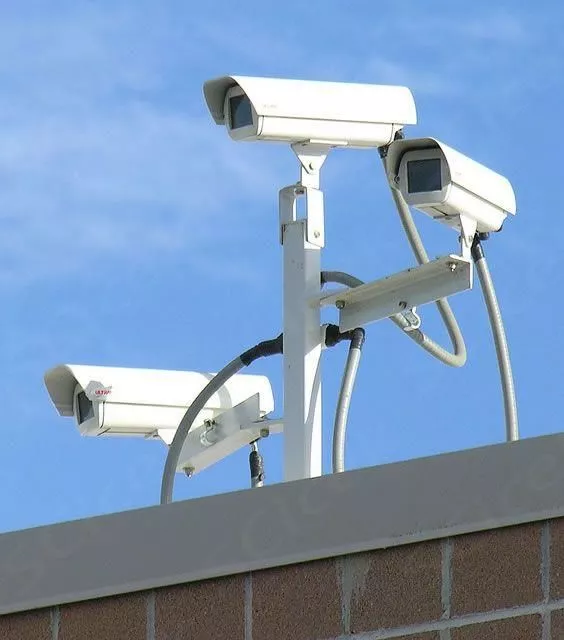
Security monitoring has become increasingly important for construction sites, residential communities, farms, parking areas, commercial properties, and remote locations throughout California. However, installing traditional surveillance systems can be challenging in places where electrical infrastructure is unavailable or expensive to install. For these situations, a solar camera offers a practical solution by combining surveillance technology with renewable energy to provide continuous monitoring in a wide range of outdoor environments.
Solar-powered surveillance systems operate independently of conventional electrical connections, making them especially useful for temporary sites, undeveloped properties, and locations where flexible deployment is required.
What Is a Solar Camera?
A solar camera is a surveillance device powered primarily by solar energy. The system typically includes a solar panel, rechargeable battery, high-definition camera, and wireless communication technology.
During daylight hours, the solar panel generates electricity to power the camera while charging the battery. The stored energy allows the system to continue operating during nighttime hours or periods of limited sunlight.
Why Solar Cameras Are Important
Solar cameras provide an efficient surveillance option for locations where traditional power sources are difficult to access.
Independent Power Supply
Because they generate their own electricity, solar cameras can operate without direct access to utility power, reducing installation limitations.
Flexible Installation
Solar-powered systems can be deployed in remote, temporary, or undeveloped locations where running electrical wiring would be impractical.
Continuous Monitoring
With properly sized batteries and solar panels, these systems can provide reliable surveillance throughout the day and night.
Key Features of Solar Cameras
Modern solar surveillance systems incorporate several advanced features designed for outdoor security.
High-Definition Video
Many solar cameras capture clear, high-resolution footage, allowing users to monitor activities and review recorded events with greater detail.
Night Vision
Infrared or low-light imaging technology enables effective surveillance after dark and during poor lighting conditions.
Motion Detection
Motion sensors automatically activate recording when movement is detected, helping conserve storage space and focus on important events.
Remote Viewing
Users can often access live video feeds and recorded footage remotely through smartphones, tablets, or computers.
Common Applications
Solar cameras are suitable for a wide variety of locations across California.
Construction Sites
Temporary construction projects benefit from surveillance without requiring permanent electrical infrastructure.
Vacant Properties
Property owners can monitor undeveloped land and vacant lots to discourage unauthorized access and document site activity.
Farms and Agricultural Land
Large rural properties often require security coverage in areas where electrical service is limited.
Parking Areas
Solar cameras help improve visibility in parking lots while reducing the need for complex electrical installations.
Benefits of Solar Cameras
Reduced Installation Complexity
Without extensive wiring requirements, installation is often faster and more adaptable to different site conditions.
Environmentally Friendly Operation
Solar energy reduces dependence on traditional electricity while supporting sustainable security solutions.
Cost-Effective Long-Term Operation
Generating power from sunlight may reduce ongoing energy expenses associated with surveillance systems.
Reliable Remote Monitoring
Wireless connectivity allows property owners and managers to monitor locations without being physically present.
Factors to Consider Before Installation
Sunlight Availability
Solar panels should be installed where they receive sufficient sunlight throughout the day for optimal performance.
Camera Placement
Proper positioning ensures maximum surveillance coverage of entrances, exits, and high-priority areas.
Battery Capacity
Battery storage should support continuous operation during nighttime and extended periods of cloudy weather.
Connectivity Options
Reliable wireless communication is important for remote monitoring and timely access to recorded footage.
Future Trends in Solar Surveillance
Advancements in renewable energy and surveillance technology continue to improve the capabilities of solar-powered security systems. Higher-efficiency solar panels, longer-lasting batteries, artificial intelligence-based video analytics, and cloud storage solutions are making solar cameras increasingly effective for a broad range of security applications.
Conclusion
A solar camera provides a dependable and flexible surveillance solution for construction sites, vacant properties, farms, parking areas, and other outdoor locations across California. By combining renewable energy with advanced monitoring technology, these systems offer continuous security without relying on permanent electrical infrastructure. As demand for sustainable and adaptable surveillance continues to grow, solar cameras remain an important option for enhancing property protection and operational oversight.


7.7K articles

2.5K articles

1.4K articles

34 articles








Comment