
Alerts
-
2 minutes, 35 seconds
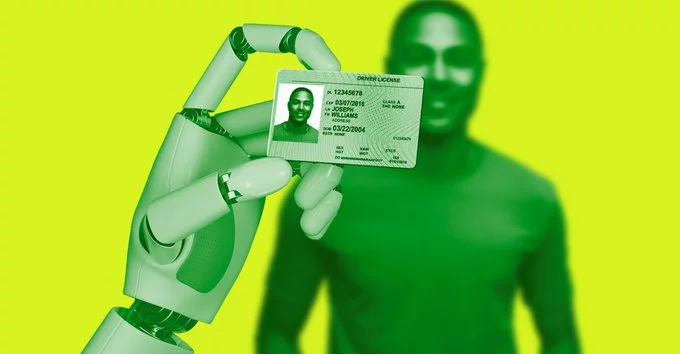
The UK government has announced a new under-16 social media ban as part of a major push to protect children online. This policy aims to restrict access to platforms like TikTok, Instagram, and Snapchat for users under 16, requiring stricter age verification and parental consent. The move is driven by growing concerns over mental health, cyberbullying, and data privacy among young users.
Studies show that social media can harm children's mental well-being, with increased risks of anxiety, depression, and poor sleep. The UK government believes that banning under-16s from these platforms will reduce exposure to harmful content and online predators. This follows similar efforts in countries like France and Australia, which have already passed laws to protect minors online.
For parents, this means more control over their kids' online activities. You may need to provide consent or supervise account setup. For children, the ban could reduce screen time and encourage offline hobbies. However, experts warn that teens might find workarounds, such as using fake IDs or adult accounts. Schools and youth organizations are also preparing to educate families about the new rules.
The ban applies to all major platforms, including:
Some platforms, like WhatsApp and messaging apps, may be exempt if they focus on private communication rather than public sharing.
If you're a parent, here are some practical steps to prepare:
Not everyone supports the ban. Critics argue that it might infringe on children's rights to access information and connect with peers. Others worry about privacy issues with age verification systems, which could collect sensitive data. Additionally, enforcing the ban globally is tricky, as many users are based outside the UK. The government says it will work with tech companies to address these concerns.
The UK government plans to introduce the under-16 social media ban through the Online Safety Bill, which is already in parliament. Tech companies are expected to start testing new verification tools soon. For now, parents and children should stay informed and adapt to the upcoming changes. The goal is to create a safer online environment for everyone, especially the youngest users.










Comment