
-
6 minutes, 26 seconds
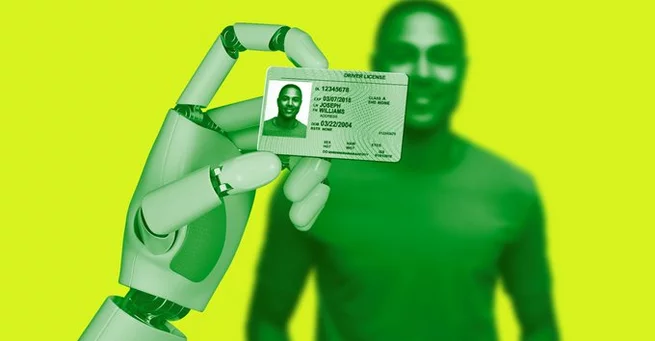
The UK digital ID plans are no longer moving forward as a mandatory requirement for working adults. Instead, the government has confirmed that digital ID will become an optional way to prove the right to work, alongside existing documents such as passports and electronic visas. This shift answers growing public concerns about privacy, civil liberties, and data security, while still keeping the government’s broader goal of modernizing employment checks firmly on the agenda.
When the national digital ID proposal was first announced, it was framed as a major reform aimed at simplifying employment verification and reducing illegal working. The original plan suggested that digital ID would become compulsory for right-to-work checks by the end of the current parliamentary term.
That approach has now changed. Officials have clarified that while digital right-to-work checks remain mandatory, the digital ID itself will be optional. Adults will be able to choose from several approved digital or physical documents to prove eligibility to work, rather than relying on a single government-issued digital identity.
This adjustment marks a significant policy U-turn and signals a more cautious approach to nationwide digital identity systems.
Public reaction played a major role in reshaping the policy. Privacy advocates, lawmakers, and everyday citizens raised alarms about how personal data would be stored, accessed, and protected under a centralized digital ID system.
A large public petition opposing mandatory digital ID gathered millions of signatures, highlighting fears of surveillance, exclusion of less tech-savvy individuals, and potential misuse of sensitive data. Critics also questioned whether smartphones should be a prerequisite for basic rights like employment.
These concerns created mounting pressure on policymakers to revisit the scope and implementation of the scheme.
Under the original proposal, the digital ID would store key personal details, including a person’s name, date of birth, nationality or residency status, and a photograph. The ID would be accessed through a smartphone, allowing employers and authorities to verify eligibility digitally.
Supporters argued this would replace fragmented, paper-based systems that are vulnerable to fraud and errors. However, critics warned that centralizing such information could increase risks if systems were breached or misused.
Making the digital ID optional appears to be an attempt to balance efficiency with public trust.
With the revised UK digital ID plans, workers will not be locked into a single verification method. Other acceptable options will include digital versions of existing documents, such as electronic visas or passports.
This multi-option approach aims to ensure inclusivity. People without access to smartphones, or those uncomfortable with digital identity tools, will still be able to prove their right to work without barriers.
Government officials have emphasized that flexibility is key to preventing discrimination while still improving the reliability of employment checks.
Officials argue that the current right-to-work system relies too heavily on inconsistent paperwork, often leaving no clear record that checks were ever completed. This creates opportunities for fraud and abuse, undermining both workers’ rights and immigration enforcement.
By modernizing checks through digital systems—without forcing a single ID—the government hopes to create a more secure and transparent process. Leaders have also stressed that details of the digital ID framework will be shaped through a full public consultation before any rollout begins.
This consultative approach suggests lessons have been learned from the initial backlash.
The digital ID initiative is not expected to launch until 2029, giving policymakers time to refine the system and rebuild public confidence. During this period, consultations will focus on privacy safeguards, accessibility, and how different forms of digital proof can work together seamlessly.
For employers, this means preparation rather than immediate change. Existing right-to-work checks will continue, with digital options gradually becoming more standardized over time.
For workers, the message is clear: participation in a digital ID system will be a choice, not a requirement.
The rethink of UK digital ID plans reflects a broader trend in digital governance. Governments are increasingly aware that technological efficiency must be balanced with trust, transparency, and public consent.
By stepping back from mandatory digital ID, the UK appears to be acknowledging that successful digital transformation depends as much on social acceptance as on technical capability.
As consultations begin and details emerge, the future of digital identity in the UK will likely remain a closely watched issue—one that sits at the intersection of technology, privacy, and everyday life.

2.5K articles

1.4K articles

34 articles

28 articles














Comment