
Alerts
-
3 minutes, 59 seconds
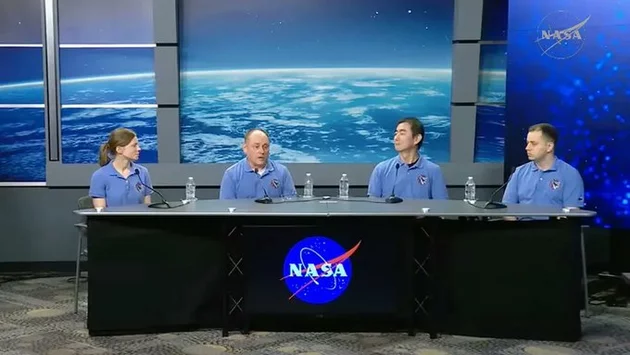
Last week, the International Space Station faced an unexpected crisis when Crew-11 had to evacuate due to a medical emergency. Details about the illness remain scarce, and NASA has not disclosed which astronaut was affected. However, the team recently shared insights into how the situation was managed and how critical onboard equipment ensured the crew’s safe return.
This incident highlights the unique challenges of handling medical emergencies in space and raises questions about how prepared future missions are for health risks in orbit.
During their first press conference since returning to Earth, Crew-11 confirmed that the ISS's ultrasound unit played a central role in diagnosing the illness. While the exact medical issue remains undisclosed, the astronauts explained that quickly identifying the problem was key to assessing its severity.
The ultrasound not only allowed real-time monitoring but also provided NASA doctors on Earth with the data needed to make informed decisions. This technology proved indispensable in determining that an emergency evacuation was necessary.
Crew-11’s departure marked the first-ever orbital evacuation from the ISS due to a medical emergency. Astronauts described the experience as tense but well-organized, emphasizing that rigorous training and clear communication with ground control made the operation smooth.
The event underlines the importance of preparation for high-stakes scenarios in space. Astronauts must be ready for anything, from technical failures to sudden health emergencies, with minimal margin for error.
The astronauts stressed that every future mission should include advanced medical diagnostics, like the onboard ultrasound, as standard equipment. They noted that having the right tools on hand can make the difference between a minor incident and a potentially life-threatening situation.
NASA’s response to this event also showcases the growing reliance on remote medical guidance. Earth-based teams can now assist astronauts more effectively, bridging the gap between limited onboard resources and comprehensive medical expertise.
NASA’s cautious approach to revealing specifics about the illness has sparked widespread curiosity. While many want details about the affected astronaut, the agency maintains strict privacy protocols and focuses on operational lessons rather than personal medical information.
This balance between transparency and confidentiality is critical in maintaining public trust while safeguarding crew privacy. It also reinforces the fact that space missions involve sensitive health risks that must be managed carefully.
Crew-11’s ordeal is a reminder that even highly trained astronauts face unpredictable risks. Space agencies worldwide are now evaluating how to improve medical readiness, from better training to enhanced diagnostic tools.
While the mystery illness remains unresolved publicly, the successful evacuation proves that preparation, equipment, and teamwork can overcome life-threatening situations in the most extreme environments.










Comment