
Alerts
Feb 24 -
8 minutes, 34 seconds
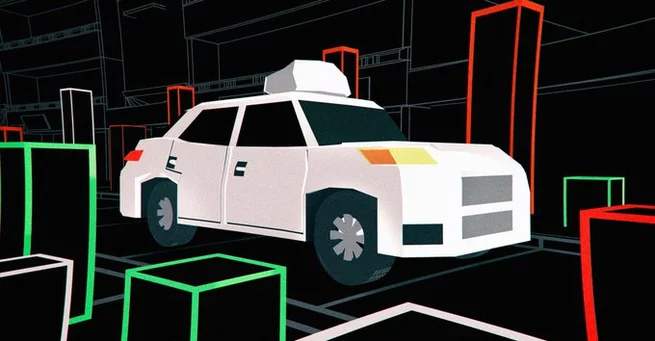
Curious about Uber’s robotaxi strategy and whether the company is building its own autonomous cars? The short answer: no. Instead, the Uber robotaxi support project focuses on helping partners deploy autonomous fleets faster. Announced in early 2026, the initiative introduces a dedicated platform called Uber Autonomous Solutions, offering tools for fleet management, data access, and operational support. The move shows how Uber is doubling down on autonomy without directly manufacturing vehicles — a strategic pivot that could reshape the future of ride-hailing.
Over the past few years, Uber has steadily shifted away from building autonomous vehicles in-house. After shutting down its internal AV development efforts years ago, the company is now positioning itself as a platform layer for autonomy. Rather than designing robotaxis, Uber wants to be the ecosystem where autonomous fleets operate.
That strategy centers on partnerships with companies developing self-driving technology. Current collaborators include Wayve, WeRide, Nuro, and Waabi. By supporting these players, Uber aims to accelerate the commercialization of robotaxis globally while reducing the massive R&D costs associated with building AVs itself.
The newly introduced Uber Autonomous Solutions acts as a service layer designed to simplify the launch of robotaxi services. Many autonomous startups face hurdles beyond building the technology — including financing, compliance, and logistics. Uber is stepping in to handle those complexities.
The platform bundles services Uber already offers drivers and delivery partners. These include financing options, regulatory guidance, operational analytics, and scaling tools. For startups lacking deep pockets, these features could significantly lower barriers to launching commercial AV services in real-world cities.
One of the biggest advantages Uber brings is data. The company operates a massive global ride-hailing network that generates real-world mobility insights across dozens of cities. Even though most vehicles in its network are human-driven, many are equipped with sensors similar to those used in autonomous systems.
This allows Uber to provide training datasets and environmental insights to its AV partners. Such data can help developers refine perception models, improve navigation algorithms, and adapt systems to new geographies faster. Access to real-world driving environments remains one of the most valuable resources in autonomy — and Uber has plenty of it.
The Uber robotaxi support project is structured around three major pillars: infrastructure, user experience, and fleet management. Each addresses a different challenge faced by autonomous vehicle companies trying to scale operations.
Infrastructure includes access to training data, integration tools, and operational analytics. The user experience pillar ensures robotaxis seamlessly integrate into the Uber app, maintaining familiar booking and payment workflows. Meanwhile, fleet management tools focus on monitoring vehicle uptime, dispatch efficiency, and maintenance cycles — critical for scaling commercial robotaxi services.
The timing of Uber’s move is no coincidence. Autonomous mobility is heating up again, with major players investing heavily in robotaxi deployments. Companies like Waymo and Tesla continue pushing vertically integrated autonomy strategies, building both hardware and software internally.
Uber’s approach is different but potentially just as powerful. Instead of competing head-on with vertically integrated giants, Uber is building a horizontal ecosystem. By becoming the go-to platform for AV deployment, the company could benefit regardless of which autonomous developer ultimately wins the technology race.
Autonomous vehicles have long been touted as the future of ride-hailing, promising lower costs and improved efficiency. However, commercialization has taken longer than expected due to regulatory hurdles, safety concerns, and technological complexity. Uber’s new initiative aims to remove some of those friction points.
By offering operational support and scaling tools, Uber could help bring robotaxis into more cities faster. That means riders may begin seeing autonomous rides integrated into familiar apps sooner than expected. For consumers, the transition might feel gradual — human drivers and robotaxis coexisting within the same platform.
The robotaxi initiative will be led by Uber’s autonomous mobility leadership team, signaling how central autonomy has become to the company’s long-term roadmap. Internal restructuring around autonomous operations suggests Uber views this as a foundational growth area, not a side experiment.
Focusing on partnerships also makes financial sense. Supporting partners is significantly cheaper than building vehicles and self-driving stacks from scratch. This allows Uber to stay deeply involved in autonomy while maintaining a more asset-light business model — a balance investors have long pushed the company toward.
Zooming out, the Uber robotaxi support project hints at a broader ambition. The company isn’t trying to be just a ride-hailing app anymore — it’s positioning itself as the operating system for urban mobility. If autonomous fleets scale globally, platforms that manage logistics and demand aggregation could become even more valuable.
Should Uber succeed, it could control the customer relationship while letting partners handle the hardware and autonomy stack. That model mirrors how app stores transformed the smartphone ecosystem, where platform dominance outweighed hardware ownership.
While robotaxis are still in early commercial stages, Uber’s latest move shows growing confidence in the timeline. Expect more partnerships, deeper integrations, and gradual city-by-city rollouts over the next few years. The company will likely focus on markets where regulations are favorable and AV deployments are already underway.
For riders, the biggest change may be subtle. Instead of a sudden robotaxi revolution, autonomy will likely arrive incrementally — first in limited zones, then expanding outward. But with initiatives like Uber Autonomous Solutions, the groundwork for that future is clearly being laid today.



Sony Reverses Three-Update Promise Over Storage Issue
Sat at 9:18 AM

Cody Wilson’s AI-Generated 3D-Printed Gun Tested
Sat at 9:16 AM

Tesla Roadster: Nearly a Decade in Development
Sat at 9:15 AM

Steam Lets Developers Split Achievements Into Separate Sets
Sat at 9:15 AM

How to Use the ChatGPT Browser Extension and Sidebar
Sat at 9:14 AM





Comment