
Alerts
-
3 minutes, 49 seconds
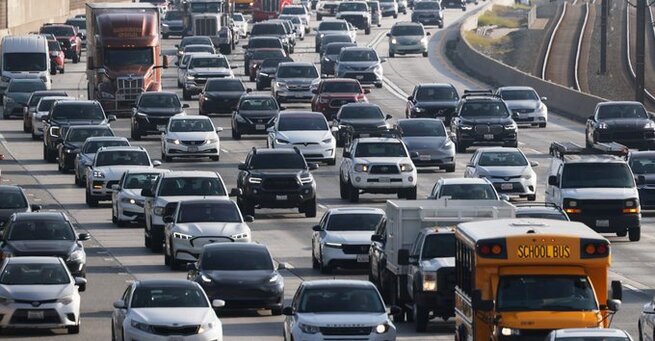
President Donald Trump has unveiled a sweeping rollback of U.S. fuel economy standards, allowing automakers to produce less efficient, more polluting vehicles. The National Highway Traffic Safety Administration (NHTSA) announced that rules set during the Biden administration for model years 2022–2031 will be significantly eased. This move has drawn criticism from environmental advocates who warn that Americans could face higher fuel costs, increased air pollution, and greater climate risks.
Under the new proposal, federal fuel economy standards would target an average of roughly 34.5 miles per gallon by 2031, far below the previous target of 50.4 miles per gallon set by Biden. Analysts estimate that the stricter standards would have saved the U.S. $23 billion in fuel over time, equivalent to about $600 per vehicle. Instead, the rollback may increase fuel spending while contributing to rising tailpipe emissions that harm public health and the planet.
Environmental groups argue that the move will worsen air quality, disproportionately affecting vulnerable communities. “Slashing fuel economy standards will increase costs for drivers and threaten progress in reducing dangerous air pollution,” said Darien Davis of the League of Conservation Voters. Children, older adults, and residents living near busy roads are especially at risk from the increased emissions expected under the Trump plan.
The Trump administration positions the change as a win for the U.S. auto industry, claiming it will lower vehicle costs and boost domestic production. Trump suggested, without clear evidence, that consumers could save up to $1,000 per car. However, industry analysts note that lower fuel efficiency could lead to long-term costs far exceeding any upfront savings.
The Biden-era standards were projected to reduce gasoline consumption by 70 billion gallons through 2050, preventing 710 million metric tons of carbon dioxide pollution. The rollback effectively reverses these gains, potentially undoing progress in the fight against climate change. Critics warn that it could equate to adding over 165 million gas-guzzling vehicles back on the road for a year.
The Trump administration has also scaled back incentives for electric vehicles and weakened broader energy efficiency policies. Advocates fear this will slow adoption of cleaner technologies, leaving the U.S. lagging behind other nations in emissions reduction and sustainable transportation.
While the administration argues that loosening standards will support economic growth, climate and public health experts caution that the costs may be far higher than any short-term gains. Americans could face higher fuel bills, increased pollution-related health problems, and escalating climate risks, underscoring the high stakes of this regulatory shift.










Comment