
Alerts
-
4 minutes, 55 seconds
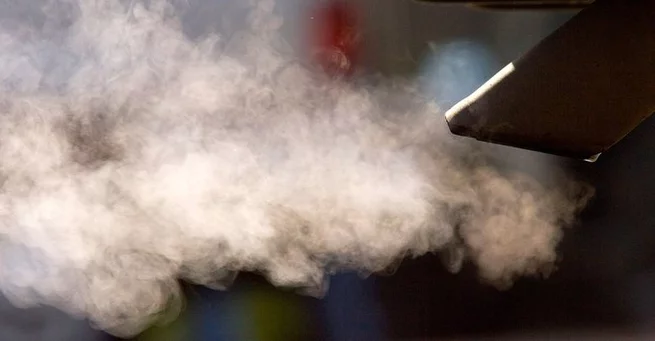
The Trump administration has struck a sweeping blow to climate policy by eliminating a landmark Environmental Protection Agency (EPA) finding that underpinned federal limits on greenhouse gas emissions. This “endangerment finding” has served as the legal backbone for regulations on pollution from cars, power plants, and industrial sources since 2009. By removing it, the administration can effectively dismantle multiple climate rules at once, sparking widespread concern over the impact on public health, extreme weather, and global carbon emissions.
Since its introduction, the EPA’s endangerment finding has recognized that greenhouse gases “threaten the public health and welfare of current and future generations.” It allowed the federal government to enforce strict pollution standards under the Clean Air Act, shaping policies aimed at reducing the US’s carbon footprint. The World Health Organization has warned that climate change could lead to an additional 250,000 deaths annually between 2030 and 2050 due to heat stress, malnutrition, malaria, and diarrhea. Reversing this finding undermines decades of environmental protection and public health safeguards.
EPA officials now say their priority is reducing regulatory burdens on businesses and consumers. However, critics argue this decision will have severe consequences. By overturning the endangerment finding, the administration could weaken tailpipe pollution standards, rollback limits on coal-fired power plants, and slow efforts to curb industrial emissions. The US, as the second-largest emitter of greenhouse gases globally after China, plays a crucial role in controlling global warming. Any significant policy rollback is likely to have far-reaching effects on the planet’s climate trajectory.
Environmental groups and scientists have expressed outrage. Dominique Browning, director of Moms Clean Air Force, called the repeal “morally indefensible,” warning that it will contribute to the suffering of future generations. Activists emphasize that curbing greenhouse gas emissions is not only an environmental necessity but a moral responsibility to protect children and vulnerable communities from worsening climate disasters. The move has also sparked lawsuits, including from California, which is challenging the ruling for blocking state-level emissions laws.
The US has historically been a major contributor to global carbon emissions. Weakening federal greenhouse gas regulations could slow worldwide climate progress and influence other nations’ policies. International climate commitments rely heavily on leadership from the world’s top emitters, meaning that domestic policy changes have ripple effects beyond US borders. Scientists warn that unchecked emissions could accelerate extreme weather, rising sea levels, and catastrophic environmental consequences for countries already struggling with climate vulnerability.
With California and other states already preparing legal challenges, the future of US climate policy is uncertain. Courts could restore protections, but the repeal sets a precedent for future administrations to dismantle environmental safeguards. Meanwhile, policymakers, businesses, and citizens face the challenge of balancing economic concerns with urgent climate action. Experts stress that immediate and comprehensive strategies are essential to mitigate damage to both public health and the global environment.
The Trump administration’s repeal of the EPA’s endangerment finding marks a turning point in US climate policy. While proponents tout economic relief for businesses, scientists and environmentalists warn of accelerated climate impacts and long-term consequences for human health and global ecosystems. The next months will likely see intensified legal battles and mounting public debate over the future of climate governance in America.










Comment