
-
4 minutes, 59 seconds
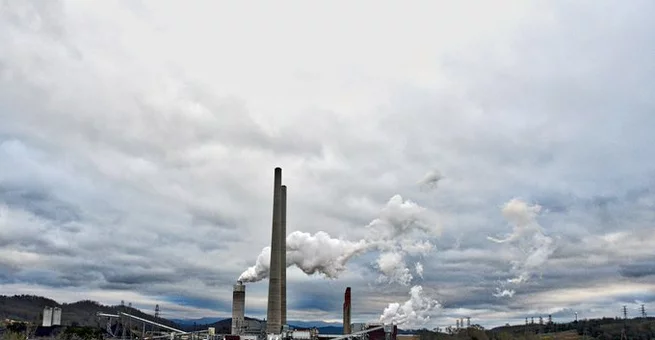
US electricity demand is climbing, fueled by a rapid expansion of AI data centers, electric vehicles, and domestic manufacturing. At the same time, the Trump administration is rolling back critical pollution standards for coal-fired power plants, reversing Biden-era rules designed to limit mercury and toxic emissions. This move raises alarms about environmental health while attempting to cut costs for coal operators.
The rollback specifically targets the Mercury and Air Toxics Standards (MATS), which were strengthened in 2024 to reduce the dangerous impact of pollutants from coal plants. As AI-driven infrastructure grows, the timing of this deregulation sparks concern among environmental experts.
Coal plants are responsible for roughly half of mercury emissions in the United States. Mercury exposure is a serious public health issue—it can harm the developing brains of children, cause learning disabilities, and damage kidneys and the nervous system.
Repealing MATS essentially brings US standards back to 2012 levels, before the Obama administration’s initial regulations. Advocates argue this rollback prioritizes industry profits over public health, putting communities near coal plants at greater risk.
Generative AI technologies are energy-intensive, requiring massive data centers to store, process, and analyze information. The US push for AI innovation is increasing electricity consumption, especially from fossil fuel sources.
By easing environmental regulations, the administration aims to accelerate the construction of these data centers and supporting fossil fuel infrastructure. This includes keeping aging coal plants operational or reviving retired facilities to meet energy demand. Experts warn this could significantly increase greenhouse gas emissions.
The Environmental Protection Agency (EPA) estimates that weakening MATS could save $78 million per year starting in 2028. However, critics say these savings are minimal compared to the long-term health and environmental costs.
Nicholas Morales, an attorney with Earthjustice, stated, “The Trump administration is wiping out health protections critical for protecting children from toxins like mercury just to save the coal industry money.” With AI adoption accelerating, electricity demand will continue to rise, potentially offsetting any economic benefits from relaxed regulations.
Communities near coal plants, often low-income and marginalized, will likely face the brunt of increased pollution. Mercury, along with arsenic and other toxic metals released from coal combustion, can accumulate in waterways and food chains, affecting both local residents and wildlife.
Health experts warn that prolonged exposure may increase neurological disorders, developmental delays in children, and chronic illnesses for adults. This regulatory shift comes at a time when the US is already grappling with climate change-related health challenges.
The Trump administration’s approach signals a preference for rapid industrial and technological expansion at the expense of environmental safeguards. While AI and electric vehicles are shaping the future of energy consumption, reliance on dirty coal energy threatens to counteract progress in sustainable technology.
Energy analysts suggest that without strong regulatory frameworks, the US could face a surge in pollution just as AI-driven growth demands cleaner, more reliable power. This tension between innovation and environmental responsibility underscores a critical debate: how to power the future without endangering public health.
The rollback of Mercury and Air Toxics Standards highlights a growing conflict between AI-driven energy demands and environmental protection. As coal plants operate under looser regulations, mercury and other toxins may rise, threatening both human health and ecological systems. The US stands at a crossroads: balancing rapid technological growth with the responsibility to protect communities and the planet.

2.5K articles

1.4K articles

34 articles

28 articles














Comment