


Contact Information
Suggested Writers
-

7.5K articles
-

2.5K articles
-

1.3K articles
-

34 articles
3 hours ago -
4 minutes, 57 seconds
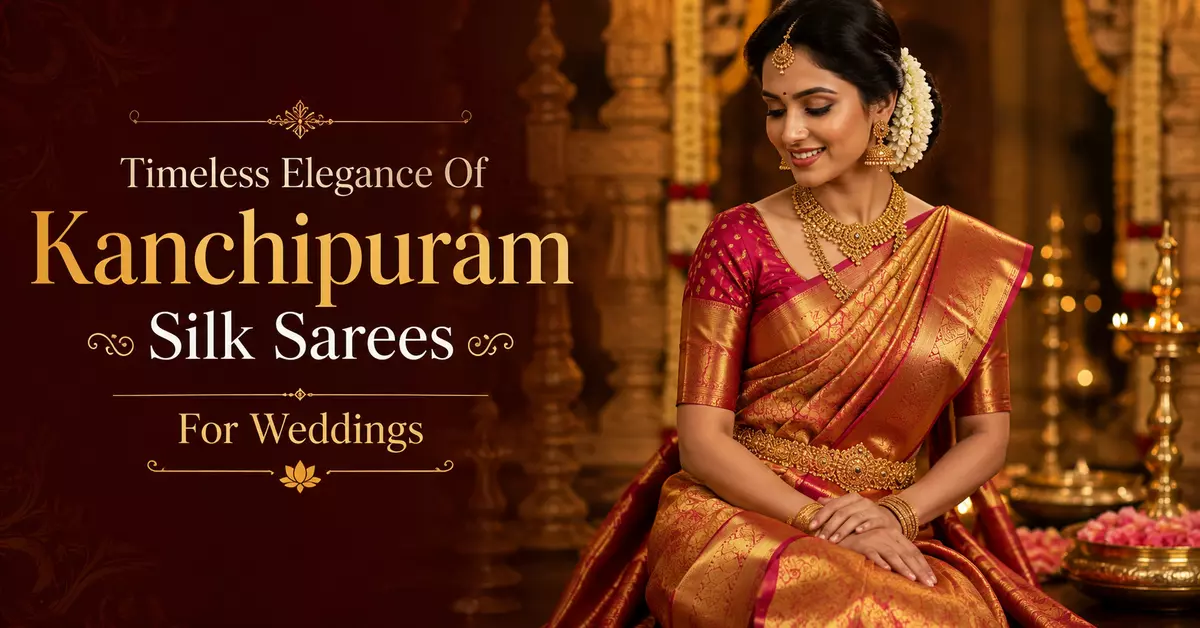
When a bride steps into the aisle, the atmosphere is charged with anticipation, love, and a touch of tradition. Amidst the shimmering chandeliers and floral arrangements, one element stands out as a symbol of grace and heritage – the kanchipuram silk sarees that have become synonymous with wedding elegance. Their lustrous sheen and intricate designs make them the preferred choice for brides across India, weaving a story of timeless beauty that transcends generations.
Originating from the ancient city of Kanchipuram in Tamil Nadu, these sarees carry the legacy of a craft that dates back over a millennium. The city’s name itself means “the town of a thousand temples,” and this spiritual richness is reflected in the vibrant motifs and motifs that adorn the silk. Each saree tells a tale of devotion, artistry, and the relentless pursuit of perfection that has been passed down through families of weavers.
The creation of a Kanchipuram silk saree begins with the selection of the finest mulberry silk yarn. Skilled artisans then weave the fabric on traditional handlooms, a process that can take anywhere from 30 to 60 days to complete. The meticulous handloom technique ensures that each thread is perfectly aligned, giving the saree its signature strength and durability. The weavers’ expertise is evident in the seamless integration of gold and silver threads, which add a subtle sparkle that catches the light with every movement.
Color plays a pivotal role in wedding attire, and Kanchipuram silk sarees offer an expansive palette that ranges from deep crimson and royal blue to pastel pinks and ivory. These hues are not merely decorative; they carry cultural symbolism. For example, red is traditionally associated with auspiciousness and fertility, while gold represents wealth and prosperity. Brides can choose a color that resonates with their personal story, ensuring that their saree is both beautiful and meaningful.
While the classic drape remains a favorite, contemporary brides often experiment with variations that suit their body type and personal style. The “Nivi” drape, characterized by a neat pleat and a long pallu, remains the most popular for its versatility. However, the “Bengali” drape, which features a shorter pallu and a more relaxed fit, is gaining traction among younger brides who prefer a fusion of tradition and comfort. Regardless of the style, the sheer elegance of the fabric remains the focal point.
In many Indian weddings, the saree is not just an outfit but an integral part of the rituals. During the “Kanyadaan” ceremony, the bride’s saree is often draped in a specific manner to symbolize her transition into a new phase of life. Similarly, the “Mangalsutra” is traditionally tied while the bride is still wrapped in her Kanchipuram silk saree, marking the sanctity of the union. These rituals underscore the saree’s role as a vessel of cultural significance and emotional depth.
The opulence of a Kanchipuram silk saree is further accentuated by the right choice of jewelry. Gold earrings, a statement necklace, and a delicate mangalsutra can complement the saree’s intricate patterns. Brides often choose jewelry that mirrors the motifs on the saree, creating a harmonious ensemble that feels cohesive and thoughtfully curated. The addition of a clutch or a small handbag in a complementary color can add a touch of modern flair without detracting from the saree’s timeless allure.
Preserving the beauty of a Kanchipuram silk saree requires careful handling. It is advisable to store the saree in a cool, dry place away from direct sunlight to prevent fading. When cleaning, opt for a gentle hand wash with a mild detergent, and avoid harsh chemicals that can damage the silk fibers. For stains, a small dab of lemon juice or a mild stain remover can be applied, followed by a quick rinse. Regularly inspecting the saree for loose threads or minor damage ensures that it remains in pristine condition for years to come.
While tradition remains at the core of Kanchipuram silk sarees, modern designers are experimenting with contemporary elements. These include subtle metallic threadwork, minimalist motifs, and even the incorporation of eco-friendly dyes. Some designers are also offering pre-stitched versions of the saree, making it easier for brides to drape and adjust. These innovations keep the saree relevant for today’s bride while preserving its historical essence.
With the vast array of weavers and manufacturers in the market, selecting the right source is crucial. Authentic Kanchipuram silk sarees are typically produced by families who have been weaving for generations. Look for certifications or labels that confirm the saree’s origin, and consider visiting a showroom to feel the texture and examine the weave up close. A reputable weaver will provide detailed information about the silk’s source, the dyeing process, and the care instructions.
While Kanchipuram silk sarees are a significant investment, they can be budget-friendly when purchased strategically. Brides can opt for sarees with fewer embellishments or choose a lighter weight silk to reduce costs. Additionally, buying during festive sales or from trusted retailers can offer discounts without compromising on quality. It’s essential to balance the desire for a luxurious look with practical financial considerations, ensuring that the saree remains a cherished heirloom.
In the grand tapestry of Indian weddings, the traditional kanjivaram sarees hold a place of reverence, echoing the same values of heritage, craftsmanship, and enduring beauty that define the Kanchipuram silk saree. By choosing a saree that resonates with both tradition and personal style, brides not only celebrate their union but also honor a legacy that has been woven into the very fabric of Indian culture for centuries.
7.5K articles
2.5K articles
1.3K articles
34 articles




Comment