
Alerts
-
3 minutes, 20 seconds
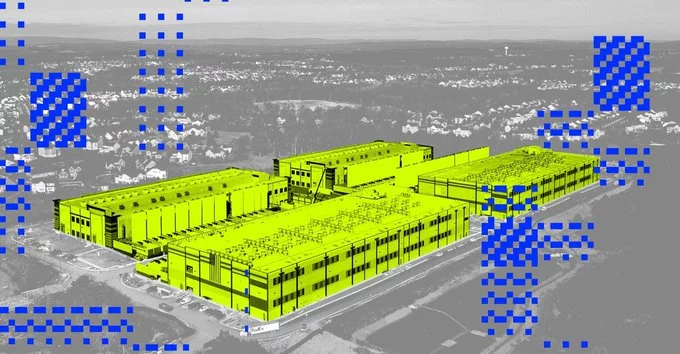
The administration is proposing to remove a federal air pollution rule that currently requires data centers to undergo public review under the Clean Air Act. This change would eliminate the requirement for these facilities to obtain permits through a process that includes community input, which has been a standard checkpoint for large industrial projects. Under the existing rule, data centers must demonstrate compliance with emissions limits before construction, a step that can add months to project timelines. The proposal argues that data centers, which primarily house servers and cooling systems, do not emit the same levels of pollutants as traditional manufacturing plants. However, critics note that backup diesel generators and cooling chemicals at these sites still produce significant emissions. If finalized, the rule would streamline approvals by removing the public comment period, allowing data centers to move forward without local or state-level review. The administration frames this as a modernization effort, but the change would mark a notable shift in how these facilities are regulated under the Clean Air Act.
Tech companies and data center developers have lobbied for streamlined permitting, arguing that current reviews slow down construction. They contend that lengthy environmental and zoning assessments create costly delays, hindering the rapid deployment of new facilities needed to meet growing digital demand.
Industry representatives emphasize that modern data centers are critical infrastructure, comparable to utilities, and should therefore face fewer bureaucratic hurdles. Their advocacy focuses on expediting approval timelines, often proposing fixed deadlines for agency responses and limiting the scope of public comment periods. Some developers have also pushed for state-level preemption of local zoning rules, arguing that a patchwork of municipal regulations further complicates and slows the process.
This push is not merely about speed; it is framed as an economic imperative. Proponents argue that faster permitting will create jobs, boost local tax revenue, and maintain national competitiveness in cloud computing and artificial intelligence. They often point to projects that have been delayed for years, citing these as examples of how current review processes fail to balance growth with practical needs.
Advocates argue the proposed change will allow data centers to avoid public scrutiny, potentially increasing pollution and harming local communities. They contend that the streamlined permitting process would remove essential checks and balances, leaving residents with little recourse against negative environmental impacts. Concerns center on the possibility of increased emissions, water usage, and strain on local infrastructure without prior community engagement or oversight.
Community groups have previously relied on the existing review process to raise objections and demand mitigation measures. Without this mechanism, they fear that projects will advance with minimal transparency, undermining local voices. The change, they say, shifts the balance of power away from residents and toward developers, creating a system where environmental and community health may be sidelined for expediency. This lack of oversight could lead to long-term, irreversible damage that outweighs any benefits of faster permitting.
The move is part of broader deregulation efforts by the Trump administration and may face legal challenges from environmental groups. These groups are likely to argue that the rule change violates the procedural requirements of the National Environmental Policy Act or the Administrative Procedure Act, which mandate public comment periods and thorough environmental reviews. Legal experts note that courts have previously blocked similar fast-track permitting attempts when agencies failed to demonstrate a scientific basis for expedited decisions.
Politically, the rule change aligns with the administration’s stated goal of reducing regulatory burdens on industry, but it could create friction with state governments that have stricter environmental standards. Some states may file their own lawsuits, asserting that federal preemption undermines local oversight. The outcome of any litigation could set a precedent for how far federal agencies can go in waiving review processes. Environmental groups have already signaled they will seek injunctions to halt implementation while cases are pending, which could delay the rule’s practical effect for months or years.










Comment