
Alerts
-
3 minutes, 33 seconds

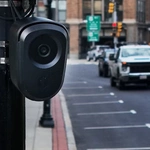
Surveillance cameras have emerged as a fresh and potent flashpoint in the national debate over technology’s reach, uniting critics from across the political spectrum. Once a niche concern of privacy advocates, the proliferation of always-on, networked cameras—from doorbell devices to municipal street sensors—now triggers a visceral reaction from both conservative and progressive voters. This anger is not merely about the devices themselves, but about the tech industry’s perceived overreach in collecting, storing, and sometimes sharing footage without clear consent. The result is a rare convergence: left-leaning groups concerned with civil liberties and right-leaning groups wary of government and corporate power are finding common ground. Polling cited in the source shows that a majority of Americans, regardless of party affiliation, believe that the expansion of surveillance technology has gone too far. This bipartisan frustration signals that the issue has moved beyond niche forums and into mainstream political discourse, making it a genuine flashpoint for future regulatory battles.
In a rare display of cross-aisle alignment, both Democrats and Republicans have voiced significant concerns about the proliferation of surveillance technology. This shared anxiety stems not from a unified policy goal, but from a mutual distrust of how such tools might be wielded by the federal government and large corporations. Progressives worry about civil liberties and the disproportionate impact on minority communities, while conservatives fear the potential for federal overreach and the erosion of constitutional protections.
This bipartisan wariness reflects a broader unease with the immense power concentrated within the tech industry. Lawmakers on both sides have questioned the data collection practices of major platforms, calling for greater transparency and accountability. The specific points of contention differ—one side may prioritize privacy rights, the other the potential for bureaucratic abuse—but the underlying sentiment is the same. The concern is that surveillance capabilities are advancing faster than the legal and ethical frameworks designed to govern them, leaving citizens vulnerable to unchecked influence from both private and public entities.
This latest backlash is not an isolated incident but rather part of a larger, sustained pattern of criticism directed at the tech industry. For years, companies have faced mounting pressure over their data collection and privacy practices, with users and regulators alike questioning the extent to which personal information is harvested, stored, and monetized. The current controversy fits squarely into this ongoing narrative, reinforcing concerns that have been raised repeatedly in hearings, investigative reports, and public campaigns.
Critics argue that many platforms operate with a fundamental lack of transparency, often burying privacy controls in complex menus or using dark patterns to nudge users into sharing more data than they intend. This has led to a growing distrust among consumers, who increasingly view tech giants not as neutral utilities but as powerful entities that prioritize profit over user autonomy. The scrutiny extends beyond individual companies to the industry’s broader business model, which relies heavily on continuous data collection to fuel targeted advertising and algorithmic recommendations.
As a result, the current backlash is seen by many observers as merely the latest symptom of a deeper systemic issue that is unlikely to resolve without significant structural or regulatory change.
The bipartisan anger documented in this article is unlikely to remain confined to public opinion. As lawmakers from both parties face mounting pressure from constituents, the political calculus in Washington is shifting toward tangible action. This convergence of concern suggests that the current era of relative regulatory restraint may be ending.
Consequently, we can anticipate a renewed push for increased regulation and oversight of surveillance technologies. Legislative proposals could range from stricter transparency requirements for government data collection to new limits on how tech companies gather and use personal information.
Key policy areas likely to see activity include:
The tech industry, long accustomed to self-regulation, will likely face significant new compliance burdens. While the exact shape of future legislation remains unclear, the political momentum strongly indicates that oversight of both government and corporate surveillance will be a central theme in upcoming congressional sessions.









Comment