
Alerts
-
3 minutes, 7 seconds
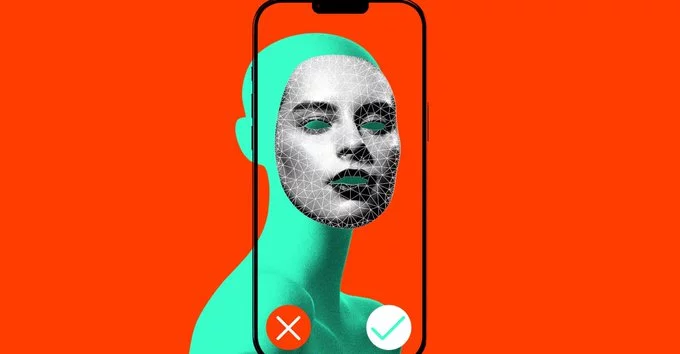
Dating apps have always attracted their share of fraudsters, but a new wave of scams is proving far more convincing than the clumsy catfishing of the past. Scammers are now supercharging their schemes with artificial intelligence, using the technology to create fake profiles and personas that are harder than ever to spot. The result has been devastating for victims: thousands of people have been catfished by scammers armed with AI tools. What once required stolen photos and awkward, inconsistent stories can now be generated at scale, making these romance scams more persuasive and more dangerous. For anyone swiping through a dating app, the rise of AI-powered deception marks a troubling shift in how online romance fraud operates.
Catfishing has always relied on stolen photos and invented backstories, but artificial intelligence has supercharged the con. Scammers now deploy AI to run convincing fake profiles on dating apps at a scale and speed that manual deception could never match. Instead of laboriously typing replies, they use AI to generate natural-sounding conversation, keep multiple victims engaged at once, and respond instantly at any hour. Voice-cloning tools let them send realistic voice notes, while image generators produce fresh photos that reverse-image searches cannot trace back to a real person.
The result is a scam that feels personal and unhurried. The AI maintains consistent details across long chats, remembers what a target has shared, and mirrors their tone — all tactics that build trust before any request for money arrives. Because the technology handles the tedious work, one operator can manage dozens of simultaneous relationships, making catfishing cheaper, faster and far harder to spot.
The scale of this problem is not theoretical. Reports indicate that thousands of people have been catfished by these AI-supercharged scammers, turning what once felt like isolated incidents into a widespread pattern of fraud.
What makes these figures so striking is how the technology has removed the traditional limits on a scammer's reach. A single operator can now sustain conversations with many targets at once, meaning the number of victims can climb far faster than in the past.
For those affected, the consequences go beyond embarrassment. Victims may lose money, time, and trust, and the emotional toll of believing they had formed a genuine connection can be considerable.
The fact that thousands have already been catfished shows this is a large-scale problem rather than a rare one, and it underlines why dating app users need to stay alert.
The sexy, AI-powered dating app scam is no longer a warning on the horizon. It is here. Scammers have supercharged their old catfishing playbooks with generative AI, and the results are sobering: thousands of people were catfished by fraudsters using these tools. The polished profiles, the flirtatious messages, the emotional connection — much of it can now be manufactured at scale.
For anyone swiping, chatting, or falling for someone online, the practical takeaway is simple: the person on the other side of the screen may not be who they claim to be, and the signals we once trusted to spot a fake are far less reliable.
The scam is here — and it is better disguised than before.









Comment