


Contact Information
Suggested Writers
-

7.5K articles
-

2.5K articles
-

1.3K articles
-

34 articles
4 hours ago -
5 minutes, 53 seconds
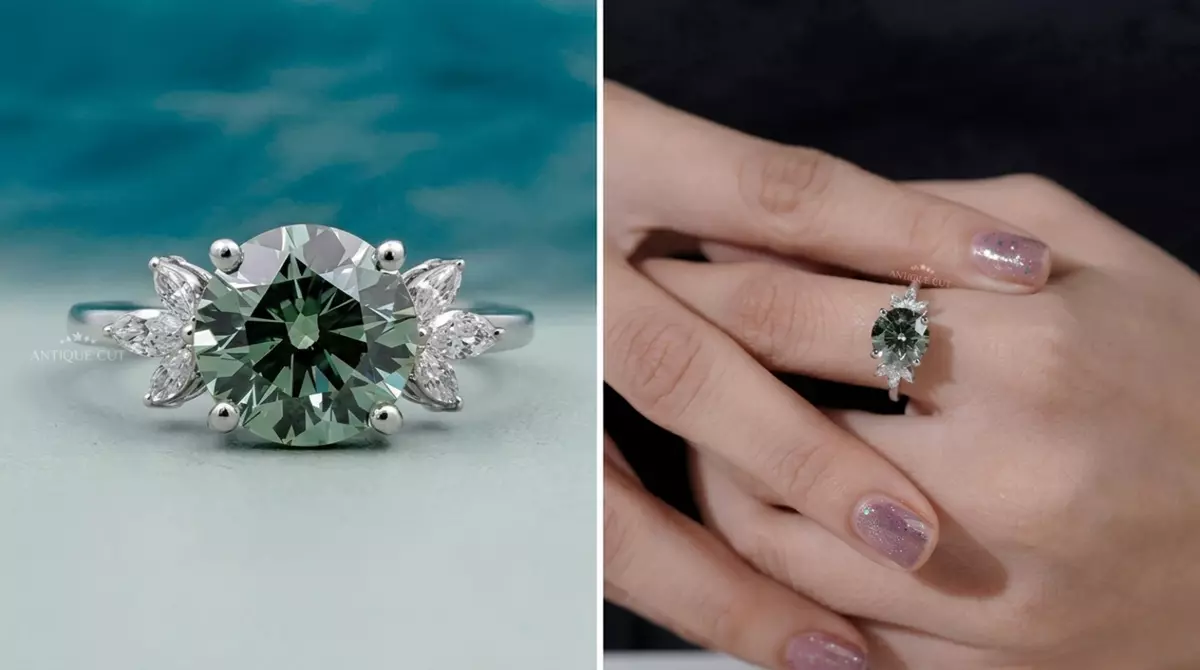
Green diamonds have attracted attention because of their rare color and distinctive appearance. Today, a green diamond engagement ring offers couples a way to own a remarkable gemstone without relying on limited natural supply. Thanks to advances in diamond-growing technology, lab-grown green diamonds provide the same crystal structure as mined diamonds while offering greater design flexibility and responsible sourcing.
The process behind these diamonds is based on years of scientific research, precise engineering, and strict quality control. Whether someone prefers a classic solitaire or a detailed custom design, lab-grown green diamonds deliver outstanding beauty with consistent quality. Antiquecut offers carefully crafted jewelry that showcases these exceptional stones in a variety of styles.
A lab-grown green diamond is a real diamond created inside a controlled laboratory using advanced technology. It contains the same carbon crystal structure, hardness, and optical properties found in natural diamonds.
The difference lies only in their origin. Natural diamonds develop deep within the Earth over billions of years, while laboratory diamonds are produced in carefully monitored environments that recreate similar conditions.
Scientists control temperature, pressure, and carbon growth to produce diamonds with excellent clarity and color consistency. If you are starting your search, you can explore now green diamond engagement ring collections that combine classic inspiration with modern design. Antiquecut offers options that feel both meaningful and current.
There are two primary methods used to create laboratory diamonds.
The HPHT method recreates the intense pressure and heat found beneath the Earth's surface. Carbon is subjected to these extreme conditions, allowing diamond crystals to develop layer by layer.
This process is especially effective for producing diamonds with excellent crystal quality and can also influence certain color characteristics.
CVD technology begins with a thin diamond seed placed inside a specialized chamber.
Carbon-rich gases are introduced, and energy breaks the gases into carbon atoms. These atoms gradually attach to the seed, building a larger diamond crystal over time.
Once growth is complete, additional treatments may be performed to achieve specific colors, including green.
The green appearance develops through carefully controlled scientific processes.
In nature, green diamonds receive their color after long exposure to natural radiation within surrounding rocks.
For laboratory diamonds, specialists recreate this effect using advanced treatment methods that safely alter the crystal structure to produce beautiful green shades.
The result is permanent color that remains stable under normal wear.
Scientists carefully monitor every stage to achieve even color distribution while maintaining the diamond's structural integrity.
Green diamonds are available in several attractive tones.
Some display soft mint coloring, while others feature olive, forest, or deeper green hues.
Factors affecting color include:
Each diamond develops its own unique appearance, making every piece distinctive.
Lab-grown green diamonds are evaluated using the same grading standards applied to mined diamonds.
A well-cut diamond reflects light efficiently and displays balanced proportions.
The richness and uniformity of green color influence overall value.
Internal characteristics are examined under magnification to determine clarity grades.
Carat measures the diamond's weight and contributes to its overall presence.
These standards help buyers compare diamonds confidently.
Many people appreciate the balance between quality, appearance, and value.
Laboratory diamonds often provide larger sizes or higher quality within the same budget compared to naturally colored green diamonds.
Additional advantages include:
These qualities have increased their popularity among couples seeking something distinctive.
Growing diamonds requires careful monitoring throughout every stage.
Specialized equipment controls:
Even slight adjustments can influence the final appearance.
This level of precision allows laboratories to produce diamonds with reliable quality standards.
Yes.
Lab-grown green diamonds are genuine diamonds.
They possess:
Professional gemological laboratories evaluate and certify them using the same procedures applied to natural diamonds.
Diamonds remain the hardest known gemstone used in jewelry.
Lab-grown green diamonds achieve the same hardness rating of 10 on the Mohs scale, making them suitable for everyday rings.
With regular care, they maintain their appearance for generations.
Simple cleaning using warm water, mild soap, and a soft brush helps preserve their condition.
Before purchasing any diamond, certification should always be considered.
Independent grading reports verify important characteristics such as:
Certification provides confidence and transparency throughout the buying process.
Green diamonds complement many ring styles.
Popular choices include:
A single green diamond remains the focal point.
Additional diamonds beneath the center stone add extra visual detail.
Representing the past, present, and future, this design continues to be a favorite among couples.
Decorative metalwork pairs beautifully with green diamonds for a distinctive appearance.
Each setting highlights the stone differently while allowing buyers to match their personal style.
Fancy-colored diamonds are available in several natural and laboratory-created colors.
Green diamonds stand apart because of their distinctive appearance and rarity.
Compared with yellow, blue, or pink diamonds, green diamonds often provide a unique alternative for buyers seeking something less common.
Laboratory production has made these beautiful colors more accessible while maintaining authentic diamond characteristics.
Diamond-growing technology continues to improve each year.
Researchers refine crystal growth techniques, enhance color consistency, and develop better quality control systems.
These advancements allow manufacturers to create increasingly impressive diamonds while expanding design possibilities for jewelry collections worldwide.
Consumers now have more options than ever before when selecting colored diamond jewelry.
When selecting a ring, consider several important factors.
Evaluate the color intensity that best suits your preference.
Review certification carefully.
Choose a setting that complements the diamond's shape.
Think about long-term comfort and daily wear.
Working with a trusted jeweler helps ensure confidence throughout the purchasing process.
A carefully selected green diamond engagement ring combines exceptional craftsmanship with advanced scientific innovation, creating a meaningful piece that can be treasured for years.
The science behind lab-grown green diamonds demonstrates how advanced technology can produce genuine diamonds with remarkable green color and lasting quality. From controlled crystal growth to carefully managed color treatments, every step follows precise scientific methods that result in authentic diamonds suitable for fine jewelry. A green diamond engagement ring offers the beauty of a real diamond together with outstanding craftsmanship and dependable quality. Whether chosen for its distinctive color or excellent value, a laboratory-grown green diamond is a meaningful option for those seeking something truly special. With thoughtfully designed collections from Antiquecut, finding a ring that reflects your personal style has never been easier.

How Technology Is Transforming the Diamond Industry
Fri at 2:32 PM
7.5K articles
2.5K articles
1.3K articles
34 articles




Comment