Alerts

-
3 minutes, 42 seconds
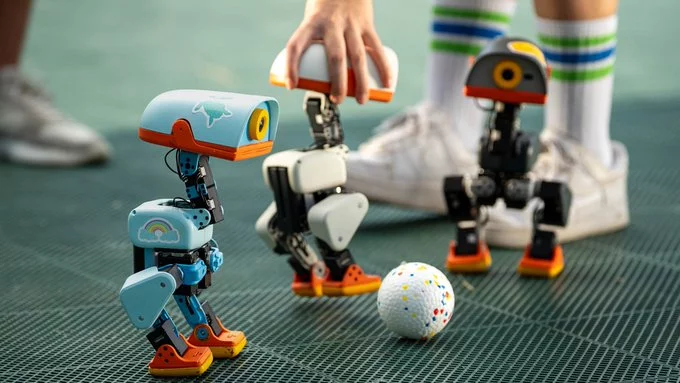
A voice command can turn a small robot into a surprisingly expressive performer. Rather than simply rolling around, the robots respond to spoken instructions with a range of physical actions: they can sit, topple over, or even attempt a somersault. The commands give each movement a playful sense of purpose, making it easy to see how a simple instruction can set off an unexpected routine.
Some actions are gentle and deliberate, while others are more dramatic. A robot may lower itself into a sitting position, fall down as if settling in for a nap, or flip through a somersault. These movements offer different ways for the machines to react, from a quiet pause to a comic tumble. Together, they show how voice control can make the robots feel less like objects being moved and more like characters following cues.
The next sections take a closer look at the individual responses, including sitting and stomping their feet, falling down for a nap, and making tiny R2-D2 noises before somersaulting.
After responding to voice commands, the little robots show off another simple but charming move: they sit down and stomp their feet. The action makes their small bodies seem lively, as if they are reacting to the people around them. Watching a robot lower itself into a seated position and then patter its feet against the floor gives the performance a playful rhythm.
The movement is uncomplicated, but that is part of its appeal. The robots do not need to travel across the room or perform an elaborate routine to hold attention. Their feet do the work, tapping and stomping while they remain seated. The contrast between their tiny size and their energetic motions makes the gesture especially endearing.
It is easy to imagine this little display becoming a favorite moment for anyone watching. A robot that can sit still for a beat and then start stomping feels animated and expressive, even through a small, repeated movement. The routine also offers a change of pace from answering spoken requests: instead of simply responding with a voice, the robots communicate through a physical action. Their seated stomping is a modest trick, but it adds personality to the robots and gives their owners another reason to smile.
One of the robots’ most dramatic responses was to suddenly fall over, as if it had died. The unexpected collapse was presented as though the robot were simply taking a nap, turning a startling moment into part of its playful performance. Rather than staying upright, it tipped down to the ground and appeared to be asleep.
The robots could also respond to voice commands, and their actions included sitting and stomping their feet. Falling down added another surprising move to the mix: one moment the robot was active, and the next it was lying still, as if it had decided it was time for a rest. That contrast made the pretend nap especially amusing.
It was not a quiet, ordinary pause in the action so much as a sudden bit of robot theater. The robot’s apparent collapse made it look “dead” for a moment, but the gag was that it had fallen down for a nap. Alongside the other movements, this sleepy routine showed how the robots could turn simple actions into entertaining responses.
Along with responding to voice commands, the tiny robots had a sound all their own. They made little R2-D2-like noises, giving their movements a playful, familiar feel. The sounds were part of the fun: these were not just small machines carrying out instructions, but robots that seemed to punctuate their actions with a chirpy electronic character.
They could also somersault when asked. A voice command was enough to prompt the little robots to flip over, turning a simple interaction into a surprising bit of acrobatics. Their compact size made the maneuver especially amusing to watch, while the fact that they followed a spoken instruction made the trick feel even more engaging.
Together, the tiny R2-D2 noises and voice-command somersaults showed how much personality could come through in a small robot. One moment they were making their distinctive sounds; the next, they were tumbling on cue. These playful responses gave people another reason to enjoy interacting with them, beyond the more straightforward commands they could follow.










Comment