
Alerts
-
4 minutes, 9 seconds
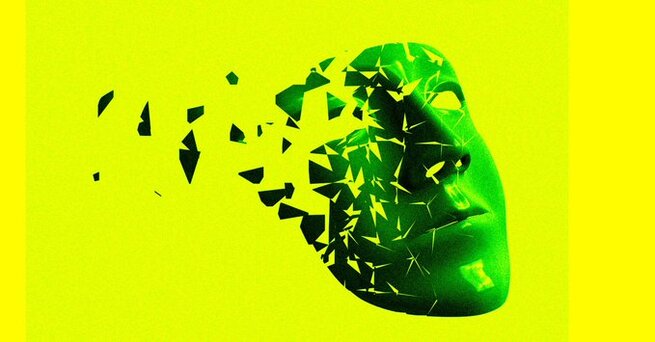
Is America quietly dismantling one of the internet’s most fundamental freedoms? The right to anonymity is powerful, and America is destroying it through a wave of laws and court rulings that force online platforms to track, verify, and expose users’ identities.
What once felt like isolated battles over “safety” and “age verification” are now converging into a larger war against privacy online. And the consequences go far beyond keeping kids off certain websites—they could reshape the future of free speech itself.
In June, the Supreme Court struck down a two-decade precedent that had protected online anonymity. The ruling allowed states to enforce age verification on adult websites, framing it as a “negligible” burden on speech.
But the ripple effect was immediate. By mid-August, the Court went further, greenlighting Mississippi’s push to expand age checks to social media—the very platforms where most Americans communicate in 2025. That means conversations, political debates, and even everyday posts could soon require proof of identity.
Texas, America’s second-most-populous state, is already moving ahead. South Dakota and Wyoming have begun enforcing similar laws, requiring services with any sexual content—ranging from adult platforms to mainstream sites like Bluesky—to verify users’ ages.
New York is close behind, proposing rules that would make age verification mandatory across social media. Piece by piece, states are building an internet where anonymity is treated as suspicious, not essential.
The right to anonymity is powerful because it protects vulnerable voices—whistleblowers, activists, marginalized groups, and even everyday citizens who fear backlash. When anonymity erodes, so does the ability to speak freely without fear of surveillance, harassment, or government overreach.
Supporters of these laws argue they’re about safety, especially protecting minors. But critics warn that these ID checks will create digital checkpoints across the web, chilling lawful speech and locking people out of vital spaces of expression.
What’s happening in America isn’t just about pornography or even social media—it’s about who gets to exist freely online. The push for identification systems risks turning the internet into a monitored, gated space where every interaction is tied to a legal name or government record.
And once those systems are in place, history suggests they won’t just be used for child protection. They’ll be leveraged for political control, corporate tracking, and widespread surveillance.
The right to anonymity is powerful, and America is destroying it under the banner of safety. But safety without freedom is an illusion. If anonymity disappears, so does the open, democratic internet that shaped a generation.
The real question is: are we ready to hand over one of our most vital digital rights without a fight?








Comment