Alerts

-
5 minutes, 20 seconds
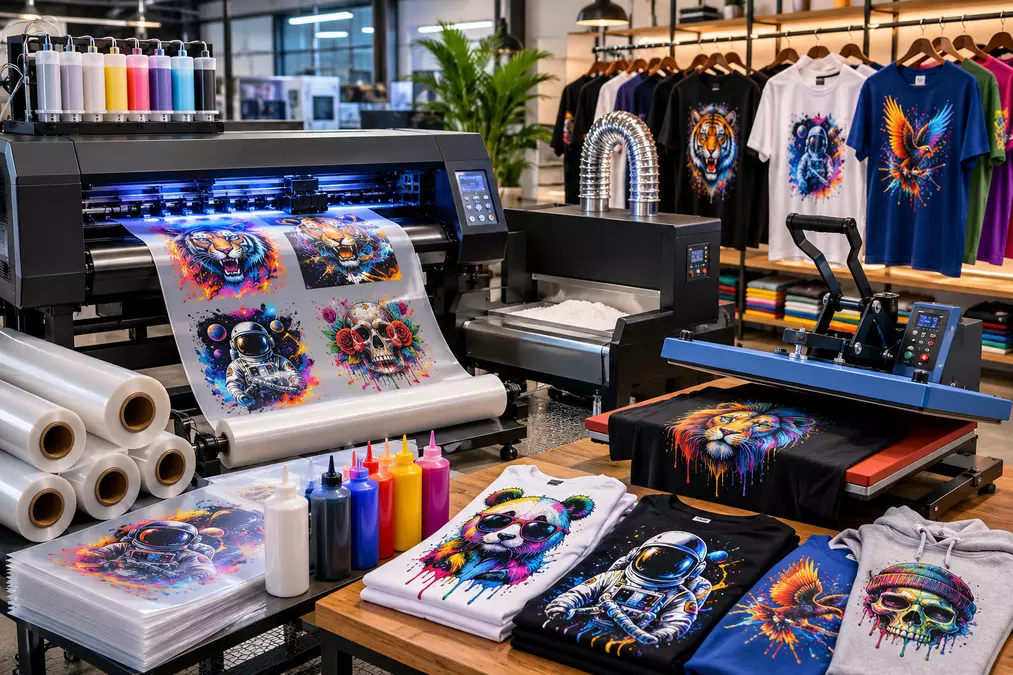
Buying your first direct-to-film printing machine can be exciting, especially if you are planning to enter the custom apparel business. However, many first-time buyers focus heavily on the machine itself and overlook other factors that affect daily production. The result is often unnecessary spending, unexpected maintenance issues, or equipment that does not match the actual needs of the business.
The market offers many different models, price ranges, and production configurations. This can make it difficult for a new buyer to know where to start. While comparing DTF Printers, it is important to look beyond promotional claims and understand how a machine will fit into your workspace, budget, production volume, and long-term business plans.
Here are some of the most common mistakes new buyers make and how they can be avoided.
A low purchase price can be tempting, particularly for someone starting a new business. However, the cheapest option is not always the most economical choice over time.
A machine with a lower upfront cost may require more maintenance, have limited technical support, or use components that are difficult to replace. Before making a decision, buyers should consider the total cost of ownership.
This includes:
A slightly higher initial investment may provide better value if the equipment is more reliable and better suited to regular production.
Another common mistake is buying equipment without considering expected order volume.
A small startup producing a few dozen garments each week does not necessarily need the same system as a busy commercial print shop. At the same time, purchasing a very basic machine may create problems if the business grows quickly.
Before selecting equipment, estimate your likely production needs for the next six to twelve months. Consider the number of orders you expect, the average size of those orders, and how quickly customers need them completed.
The right machine should comfortably support current demand while leaving some room for growth.
Printing equipment requires more than an empty table and a power outlet. A proper workspace can affect workflow, maintenance, and print consistency.
First-time buyers sometimes purchase equipment before measuring the available area. Later, they discover they also need room for film storage, curing equipment, heat pressing, supplies, packaging, and order preparation.
Temperature, ventilation, and humidity should also be considered. Creating an organized production area from the beginning can prevent many avoidable problems.
Every printing system requires regular care. New buyers sometimes assume that once the machine is installed, it will operate without attention for long periods.
That is rarely the case.
Routine cleaning, proper ink management, and scheduled maintenance are important parts of daily operation. Neglecting these tasks can lead to reduced print quality and costly downtime.
Before buying a machine, ask the supplier about:
Find out what needs to be checked or cleaned after each production day.
Understand which components require regular inspection.
Ask about replacement parts, service availability, and technical assistance.
Knowing these requirements before purchasing can help you decide whether a particular system matches your level of experience and available time.
Speed is an important specification, but it should not be the only one considered.
A faster machine may not automatically make a business more productive. If artwork preparation, powder application, curing, or heat pressing creates delays, the overall workflow may still be slow.
Look at the entire production process rather than one specification on a product sheet. The goal should be consistent output and efficient workflow, not simply the highest possible print speed.
Technical support is particularly valuable for first-time buyers. Even experienced print professionals can encounter software issues, maintenance questions, or unexpected production problems.
Some buyers spend considerable time comparing machine specifications but never ask what happens after installation.
A good supplier relationship can make a significant difference. Look for information about onboarding, training, troubleshooting resources, and ongoing customer support.
Companies serving the apparel printing industry, including suppliers such as DTGPRO, often provide equipment alongside training and related production resources. For a beginner, access to knowledgeable support can be just as valuable as the machine itself.
Trying to reduce operating costs by purchasing the cheapest available consumables can create problems.
Ink, film, powder, and cleaning products should be appropriate for the equipment and production process. Incompatible materials can affect color quality, adhesion, and machine performance.
Consistency is also important. Changing between different supply sources without testing can make it harder to maintain predictable production results.
A better approach is to establish reliable supply sources and test new materials carefully before using them for customer orders.
A DTF Printer is a professional production tool, and learning how to operate it effectively takes time. New owners sometimes expect perfect results immediately and become discouraged when early prints require adjustments.
Artwork preparation, RIP software, color management, maintenance, and transfer application all involve a learning process.
Plan time for:
Practicing before accepting large customer orders can reduce costly mistakes and build confidence.
Some people purchase printing equipment because they see a growing market but have not yet decided who their customers will be.
Before investing, think about your target market. Will you sell custom shirts to local businesses? Sports teams? Online customers? Clothing brands?
Your target audience affects everything from production volume to product selection and marketing strategy.
A simple business plan does not need to be complicated. It should help answer three basic questions: who will buy from you, what will you sell, and how will you reach those customers?
Buying your first printing system is an important business decision, and rushing into it can create expensive problems. The best approach is to compare equipment carefully, understand ongoing costs, prepare your workspace, and make sure reliable training and support are available.
There is no single machine that is right for every business. The best choice depends on your production goals, budget, experience level, and plans for future growth. By avoiding common beginner mistakes and researching each option carefully, new business owners can make a more confident investment in a DTF Printer and build a stronger foundation for long-term success.



Comment