Alerts

-
4 minutes, 3 seconds
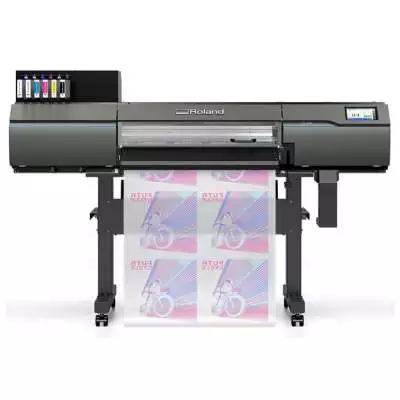
Running a busy apparel shop is less about having the fastest machine on paper and more about keeping orders moving without constant interruptions. When production volume rises, print quality, workflow, maintenance, and operator workload all become important. Businesses comparing DTF Printers for larger workloads therefore need to look beyond basic specifications and consider how a system fits into the entire production process.
High-volume apparel printing can become difficult when equipment struggles to maintain consistency throughout a long production day. Reprints, frequent adjustments, and avoidable downtime can quickly affect delivery schedules.
The Roland TY-300 is positioned for businesses that need a production-oriented solution rather than equipment intended only for occasional custom jobs. Its role is particularly relevant for print shops handling recurring orders, branded apparel, team merchandise, and other projects where predictable output matters.
A productive print shop needs more than good image quality. Operators also need a workflow that is straightforward from artwork preparation through finished garment.
A typical production environment involves several stages:
When these steps are organized properly, staff can spend less time correcting avoidable problems and more time completing customer orders.
A sample that looks excellent is only useful if the next hundred pieces look similar. This is one of the biggest concerns for commercial apparel decorators.
Color consistency, fine detail, white ink performance, and transfer adhesion all deserve attention when evaluating production equipment. Operators should also establish routine checks during longer jobs instead of waiting until an entire batch has been completed.
This is where a capable DTF Printer can become an important part of a shop's daily workflow. The equipment needs to work alongside appropriate consumables, software settings, maintenance routines, and operator practices to deliver dependable results.
Not every business needs the same production setup. A small custom-shirt operation may prioritize a compact footprint and straightforward operation, while a commercial decorator may care more about throughput and the ability to handle recurring orders.
Before investing, owners should examine their actual order history rather than simply choosing equipment based on a manufacturer's maximum output claim.
Useful questions include:
Look at your average weekly and monthly volume.
A machine that fits your normal workload may become a bottleneck when urgent jobs appear.
Consider whether one person will manage production or whether several employees will share the workload.
Equipment should make sense not only for today's orders but also for realistic business expansion.
High-volume production places greater demands on equipment. Regular maintenance should therefore be treated as part of production planning rather than something done only after a problem occurs.
Operators should follow manufacturer recommendations for cleaning, ink management, printhead care, and other routine tasks. Keeping supplies organized and monitoring equipment performance can also help identify potential issues before they disrupt a large order.
Good maintenance habits are particularly important for businesses working against strict customer deadlines.
A printer is only one component of a DTF operation. Film, ink, adhesive powder, curing equipment, heat presses, software, ventilation, workspace organization, and quality-control procedures all contribute to the final result.
This broader view is useful when comparing equipment from different manufacturers. A machine may appear attractive from a specification sheet, but its practical value depends on how well it fits the rest of the shop.
DTGPRO, for example, provides apparel printing equipment and related solutions for businesses evaluating different production requirements. Exploring a complete equipment ecosystem can help buyers understand what they will actually need beyond the printer itself.
High-volume production is ultimately about reliability and repeatability. A print shop that can maintain quality while processing more orders has a stronger opportunity to improve turnaround times and take on larger projects.
The Roland TY-300 can be considered by businesses that are moving beyond occasional custom orders and need equipment suited to a more structured production environment. However, the right choice should always be based on actual workload, available workspace, budget, technical support, and future plans.
Scaling apparel production requires more than adding another machine to the shop floor. Businesses need a balanced workflow, dependable consumables, trained operators, preventive maintenance, and equipment that matches their workload. The Roland TY-300 is worth considering as part of that broader strategy, particularly for shops focused on recurring, high-volume apparel orders. For businesses comparing DTF Printers, DTGPRO can also be a useful resource for exploring professional equipment and solutions suited to different production goals.



Comment