
-
7 minutes, 30 seconds
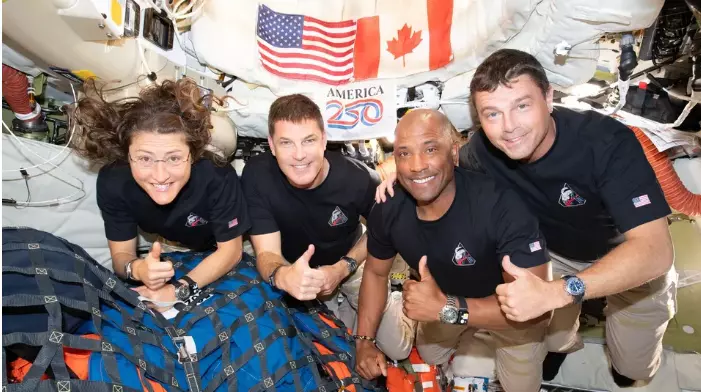
The Artemis II lessons captivating the world go far beyond space exploration—they reveal a powerful leadership shift centered on emotional intelligence. While the mission made history by sending humans farther than ever before, what truly resonated globally was the human connection displayed by the crew. Social media buzz wasn’t about technology or engineering breakthroughs, but about vulnerability, empathy, and unity. This phenomenon, now dubbed “moon joy,” highlights how emotional leadership drives engagement even in high-pressure environments. In a world filled with uncertainty, people are drawn to authenticity more than perfection. For leaders, this signals a clear shift in what truly inspires teams today. Performance is no longer driven by metrics alone—it’s driven by how people feel.
Despite its historic achievements, the Artemis II mission gained traction online for unexpected reasons. Moments of genuine emotion—like shared hugs, personal tributes, and heartfelt reflections—dominated conversations across platforms. These weren’t scripted PR highlights but authentic expressions of humanity. At a time when global news cycles are filled with tension and uncertainty, this emotional contrast stood out. The crew reminded audiences that even in the most advanced environments, human connection remains central. Their openness made space exploration relatable to millions who had never followed such missions before. This shift proves that storytelling rooted in emotion can outperform even the most groundbreaking technical milestones.
The term “moon joy” quickly emerged as a way to describe the emotional resonance people felt watching the Artemis II crew. It reflects a deeper need for hope, connection, and shared humanity in today’s fast-paced world. Leaders can learn from this by recognizing that people are not just motivated by outcomes, but by meaningful experiences. When teams feel emotionally connected to their work and each other, engagement naturally increases. This approach goes beyond traditional motivation strategies and taps into intrinsic human needs. “Moon joy” is not about avoiding challenges but navigating them with empathy and authenticity. It represents a new leadership standard where emotional intelligence is a competitive advantage.
One of the biggest Artemis II lessons is that emotional intelligence is no longer optional—it’s essential. The crew demonstrated self-awareness, empathy, and the ability to communicate openly under pressure. These qualities created a strong bond not only within the team but also with global audiences. In the workplace, leaders who develop emotional intelligence can better understand team dynamics and respond effectively. This leads to stronger collaboration, higher trust, and improved performance. Without these skills, organizations often struggle with disengagement and poor morale. Emotional intelligence bridges the gap between strategy and execution by aligning people with purpose.
Artemis II reinforces the idea that organizations must prioritize people over processes. Behind every metric, report, and innovation are individuals who drive results. Leaders who focus solely on data risk overlooking the human element that sustains long-term success. By connecting work to purpose and impact, leaders can inspire deeper commitment from their teams. This means shifting conversations from numbers alone to the stories and outcomes behind them. Employees want to understand why their work matters and who it benefits. When leaders communicate this effectively, performance becomes more meaningful and sustainable. A human-first approach is no longer a soft skill—it’s a business necessity.
Another key takeaway from the Artemis II mission is the importance of psychological safety within teams. The crew’s openness and trust in one another created an environment where authenticity thrived. In workplaces, this translates to teams feeling safe to share ideas, challenge assumptions, and take risks. Without psychological safety, innovation is stifled and collaboration weakens. Leaders play a critical role in shaping this environment through their behavior and communication. Encouraging open dialogue and valuing diverse perspectives can significantly boost team performance. When people feel safe, they are more likely to contribute fully and creatively. This ultimately drives better outcomes across the organization.
The Artemis II crew showed that vulnerability is not a weakness but a leadership strength. By sharing personal stories and emotions, they built trust and relatability with audiences worldwide. In the workplace, leaders who embrace vulnerability create stronger connections with their teams. This openness encourages honesty, reduces fear, and fosters a culture of support. Employees are more likely to engage when they see authenticity in leadership. It also humanizes leaders, making them more approachable and credible. In an era dominated by polished, AI-generated content, genuine vulnerability stands out. It’s a powerful tool for building trust and long-term loyalty.
The lasting impact of Artemis II lies in its reminder that leadership is fundamentally about people. As workplaces become more complex and technology-driven, the human element becomes even more critical. Leaders who prioritize emotional intelligence, connection, and authenticity will stand out in this evolving landscape. The concept of “moon joy” is more than a trend—it’s a reflection of what people truly value. Organizations that embrace this mindset will see stronger engagement, better retention, and improved performance. The future of leadership isn’t just about reaching new heights—it’s about bringing people with you.

7.8K articles

1.4K articles

34 articles

28 articles














Comment