Tesla robotaxi launches in Austin: What to expect from the self-driving rollout
Tesla has officially launched its highly anticipated robotaxi rides in Austin, making it the company’s first public test of fully autonomous vehicles. The new Tesla robotaxi service features driverless Model Y SUVs that operate using only cameras and Tesla’s end-to-end AI — a bold move that sets it apart from competitors like Waymo. While Elon Musk has long promised a future of self-driving Teslas, this marks the most tangible step forward yet. The pilot program is limited, but it's raising major questions about safety, scale, and readiness.
Inside the Tesla robotaxi rollout in Austin
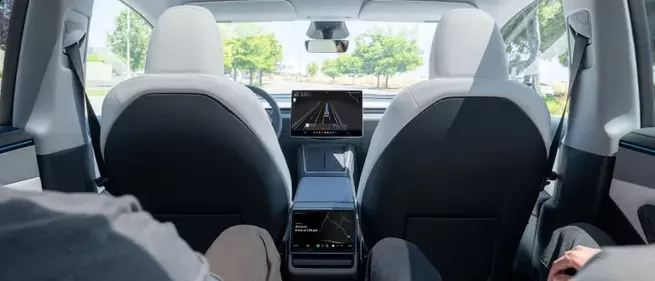
The robotaxi service started quietly, with Tesla inviting select customers to try out the app and hail rides on Sunday. The service charges a flat fee of $4.20 and runs from 6:00 a.m. to midnight daily — weather permitting. Though labeled “driverless,” every Tesla vehicle currently includes a safety monitor in the passenger seat. These early users are largely Tesla enthusiasts, many of whom posted ride videos on Musk’s social platform, X. Despite the buzz, the company hasn’t shared how many robotaxis are operating or how many users are part of the test group.
How Tesla’s approach to autonomous driving is different
Unlike Alphabet’s Waymo, which relies on lidar, HD maps, and other external sensors, Tesla’s robotaxi depends entirely on vision and AI. This means the cars “see” through cameras and make decisions with neural networks. It’s a strategy Elon Musk has long defended, but critics say it increases risk and limits reliability in complex urban environments. The current test is limited to South Austin, with about 10 vehicles in operation — all 2025 Model Ys. Observers report inconsistent behavior from the cars, such as sudden braking, particularly near police vehicles, as seen in recent footage.
What the Tesla robotaxi means for the future of autonomous travel
While this Tesla robotaxi trial is small in scale, it represents a significant step in the company’s long-delayed promise of autonomous ridesharing. Still, the launch raises serious questions. There’s little transparency about the vehicle’s decision-making, and Tesla has yet to match the operational clarity of Waymo’s AV services. Safety concerns linger, even with Tesla employees monitoring rides. For now, the Austin pilot may be more of a marketing moment than a transportation revolution — but it’s one worth watching closely.











Comment