Taiwan Export Controls on Huawei and SMIC Disrupt China’s AI Chip Goals
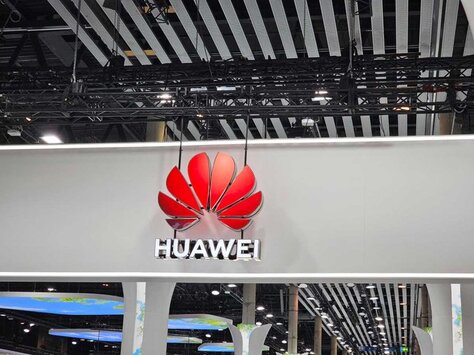
Taiwan places export controls on Huawei and SMIC, potentially dealing a major blow to China’s ambitions in AI chip development. As of June 2025, Taiwan’s International Trade Administration has added Huawei, SMIC, and their affiliates to its updated list of strategic high-tech entities. This decision directly impacts the companies’ access to essential Taiwanese technologies—especially the ones used to build advanced semiconductors. Many users searching for updates on AI chip supply chains, Huawei restrictions, or Taiwan-China tech relations will find this a significant development.
Why Taiwan Placed Export Controls on Huawei and SMIC
Taiwan’s move stems from national security concerns. According to an official statement, over 600 entities from countries like China, Russia, and Iran were added to the list to combat arms proliferation. For companies like Huawei and SMIC, this designation means Taiwanese exporters must now seek special government approval before doing business with them. This includes shipments of critical semiconductor materials, AI chipmaking equipment, and plant construction tools—resources vital for tech expansion in mainland China.
What This Means for China’s AI Chip Development
These export controls could delay or derail Huawei and SMIC's AI chip manufacturing progress. Taiwan plays a crucial role in the global semiconductor ecosystem, especially with companies like TSMC leading in advanced fabrication. With limited access to high-end Taiwanese tools and materials, Huawei and SMIC may struggle to match the pace of U.S. or South Korean rivals. This move not only affects China’s national tech strategy but also reshapes global chip supply chains and geopolitics around artificial intelligence.
Strategic and Global Implications of Taiwan’s Decision
For global tech observers and analysts, Taiwan’s restrictions reflect increasing geopolitical tensions in the semiconductor industry. It adds another layer to the U.S.-China tech war, especially since SMIC and Huawei were already facing U.S. sanctions. These new Taiwanese restrictions amplify the challenge, reducing China’s ability to build advanced AI systems domestically. It also sends a strong message about Taiwan’s alignment with international efforts to regulate sensitive technologies in AI and defense applications.












Comment