
-
5 minutes, 28 seconds
Wondering what the SwitchBot button-pressing robot is and why the new rechargeable battery matters? The latest update makes this compact smart home gadget easier to use by removing the need for disposable batteries. Designed to physically press buttons on appliances and switches, it helps automate older devices without full smart upgrades. With the new rechargeable option, users get lower maintenance and more convenience while keeping their homes connected and efficient in 2026.
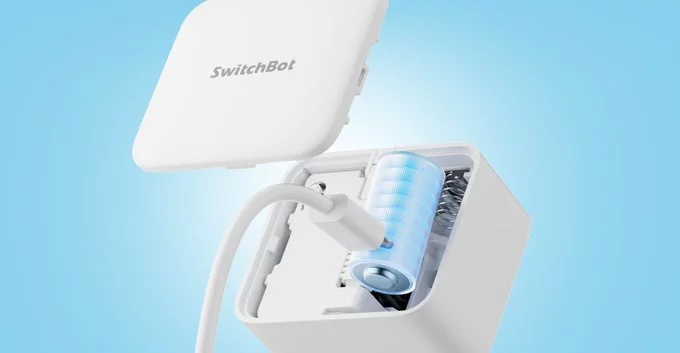
The SwitchBot button-pressing robot has received a meaningful upgrade with a built-in rechargeable battery, replacing the need for constant disposable battery swaps. This change targets one of the most common frustrations among smart home users who rely on small automation devices. Instead of opening the device and replacing batteries every few months, users can now recharge it through a simple cable connection. The update keeps the same compact design while improving long-term usability and sustainability.
Beyond convenience, the rechargeable battery makes the SwitchBot button-pressing robot more practical for everyday automation. Users can integrate it into routines that control coffee machines, light switches, and other physical buttons without worrying about sudden power loss. It also reduces ongoing costs, making smart home expansion more accessible for beginners. The upgrade strengthens reliability, especially in setups where multiple devices are deployed across different rooms.
Setup remains straightforward, which is part of the product’s appeal. Users attach the device next to a physical button and configure it through a companion app. Once set, it can trigger actions like turning appliances on or off with scheduled automation or remote commands. The rechargeable battery does not change the setup process, but it does improve long-term reliability by reducing maintenance interruptions.
This upgrade is especially important for beginners building their first smart home system. Many users hesitate to adopt small automation devices due to ongoing maintenance concerns. By introducing a rechargeable battery, SwitchBot lowers the barrier to entry and encourages more experimentation with home automation. It also supports sustainability goals by reducing battery waste, a growing concern in connected homes.
With the rechargeable version rolling out, users can expect the same familiar design with a more modern power solution. Charging is expected to be simple and infrequent depending on usage patterns. The upgrade positions the SwitchBot button-pressing robot as a more future-ready option for smart homes, especially for users who want convenience without ongoing battery replacements.
Industry observers say upgrades like this reflect a broader shift toward more user-friendly smart home ecosystems in 2026. Instead of forcing users to replace entire appliances, companies are focusing on retrofit solutions that extend the life of existing devices. The SwitchBot button-pressing robot fits into this trend by turning traditional buttons into smart triggers without requiring electrical rewiring. The rechargeable battery enhancement strengthens this approach by reducing friction in daily use. As smart homes become more mainstream, such incremental improvements play a key role in adoption rates across both developed and emerging markets.
Overall, the rechargeable upgrade to the SwitchBot button-pressing robot signals a meaningful step forward for accessible home automation. It keeps the core idea simple: press physical buttons remotely or on a schedule, but removes one of the most annoying maintenance tasks. For users building smart homes in 2026, this kind of refinement matters just as much as new features. It blends convenience, efficiency, and sustainability in a way that feels practical rather than overly complex. As adoption of smart devices continues to grow, updates like this help bridge the gap between traditional homes and fully connected environments, making automation feel natural and easy for everyday users. This update aligns with the future of effortless smart living globally today.

2.5K articles

1.3K articles

34 articles

28 articles














Comment