Alerts

-
6 minutes, 51 seconds
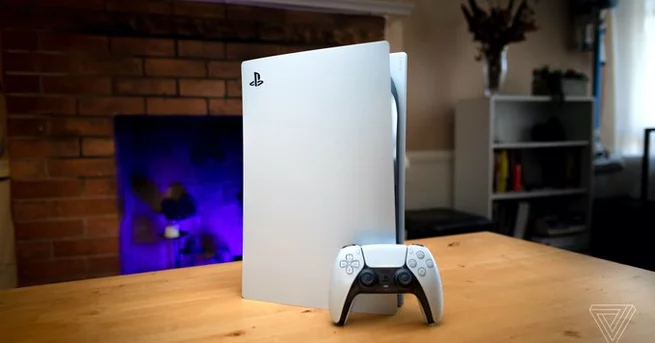
Gamers wondering why Switch 2 pricing might rise or why the next PlayStation could be delayed are now getting clearer answers. Reports suggest global memory shortages caused by AI demand are reshaping the gaming industry’s future. Rising RAM costs are squeezing console makers, forcing difficult decisions around pricing and release timelines. If current trends continue, players may face more expensive hardware and longer waits between console generations.
The biggest driver behind the concern is the explosion in AI infrastructure. Cloud providers and data centers are rapidly consuming advanced memory chips, especially high-performance RAM used in training and running AI models. That demand is diverting supply away from consumer electronics like gaming consoles.
Memory manufacturers are prioritizing enterprise buyers willing to pay premium prices. As a result, companies that rely on large volumes of affordable memory chips are feeling pressure. Console makers, which operate on tight margins, are especially vulnerable to these supply chain shifts.
Rumors suggest that Nintendo may raise the price of the upcoming Nintendo Switch 2. While exact figures remain unclear, analysts believe rising component costs could force a price adjustment. The company reportedly held prices steady earlier despite economic pressures, but sustained shortages could make that strategy harder to maintain.
If prices climb, it could mark a significant shift in Nintendo’s traditional approach. Historically, the company has prioritized affordability and mass appeal over raw hardware power. A higher price tag might reshape buyer expectations and influence how the next generation of handheld consoles competes globally.
Meanwhile, Sony is reportedly weighing whether to delay its next-generation console. The successor to the PlayStation 5 was widely expected before the end of 2027 based on historical release cycles. However, insiders now suggest the timeline could stretch as far as 2028 or even 2029.
That would be a major departure from Sony’s usual cadence. Since the original PlayStation launched in the mid-1990s, new generations have typically arrived every six to seven years. A longer gap could reshape how developers and publishers plan future releases.
Memory shortages don’t just affect launch dates or retail prices—they ripple through the entire gaming ecosystem. Developers may need to optimize games for longer hardware lifecycles if new consoles arrive later than expected. Publishers might also adjust release strategies, focusing more on cross-generation titles.
Consumers could feel the impact in multiple ways. Higher console prices, fewer hardware refreshes, and prolonged reliance on existing platforms are all possible outcomes. Even accessory makers and chip suppliers could be forced to rethink production timelines.
At the heart of the issue is a broader shift in the tech landscape. AI is no longer a niche sector—it’s becoming a dominant force shaping hardware priorities. Companies building AI infrastructure are locking in long-term supply deals for memory and GPUs, creating shortages in traditional consumer markets.
This dynamic mirrors past transitions, such as the smartphone boom reshaping chip supply chains. However, AI’s scale is arguably larger, pulling resources from nearly every sector that depends on advanced silicon. Gaming hardware is simply one of the most visible casualties.
For players, the takeaway is clear: the next console cycle may look very different from the last. Gamers may need to prepare for higher entry prices and longer waits between hardware upgrades. That could push more users toward services like cloud gaming or subscription ecosystems while they hold onto current consoles longer.
On the flip side, longer console lifespans could benefit existing players. Developers may spend more time optimizing games for current hardware, potentially delivering more polished titles. A slower transition might also reduce the pressure to upgrade immediately.
Neither Nintendo nor Sony has publicly confirmed these reports, leaving room for speculation. Companies often avoid early commentary on pricing or release plans to maintain flexibility. However, silence doesn’t stop market analysts from watching supply chain signals closely.
Investors and developers will likely keep tracking memory production trends throughout 2026. Any improvement in chip supply could ease pricing pressure and restore original timelines. Conversely, continued shortages could cement the possibility of delayed consoles and higher costs.
The possibility of rising Switch 2 pricing and a delayed PlayStation successor signals a potential turning point in gaming history. For decades, predictable console cycles shaped how the industry evolved. Now, external forces like AI infrastructure demand are rewriting that playbook.
If these trends continue, future console launches may become less predictable and more influenced by broader tech economics. Gamers, developers, and hardware makers alike may need to adapt to a new era where global chip demand determines the rhythm of gaming innovation.










Comment