
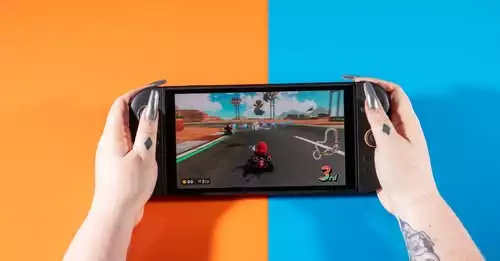
A curious post from retro game publisher ININ Games briefly suggested Nintendo is introducing smaller-capacity cartridges for the upcoming Switch 2—sparking immediate buzz among fans and developers. The company claimed it had “recalculated production” for a physical release of R-Type Dimensions III based on Nintendo’s alleged announcement of “two new smaller cartridge sizes.” But within hours, ININ retracted the statement, clarifying that Nintendo has made no such official announcement. So what’s really going on with Switch 2 physical media?
ININ Games initially credited Nintendo’s supposed new cartridge options as the reason it could finally offer a physical version of its retro shooter for Switch 2. But after swift backlash and confusion online, the publisher issued a correction: “There has been no official announcement or confirmation from Nintendo concerning cartridge storage capacities.” Despite the retraction, ININ confirmed it will release a physical Switch 2 copy—just with a €10 price bump, likely to offset high cartridge costs.
Physical game production on Nintendo consoles has long been complicated by cost. Reports suggest that full-capacity Switch 2 cartridges may cost developers around $16 each—significantly more than optical discs used by PlayStation or Xbox. That steep price tag may explain why many third-party titles ship with “game-key cards” that merely unlock a digital download. Without affordable cartridge options, smaller studios may avoid physical releases altogether—hurting collector and retail markets alike.
Though Nintendo remains silent, earlier leaks lend some credence to the idea that cartridge size and pricing are major pain points. Back in May, Brazilian gaming journalist Leonardo Zaniboni cited sources at Arc System Works claiming Nintendo only offered developers a 64GB cartridge or the cheaper key-card alternative. Niko Partners’ Daniel Ahmad echoed this on X, noting, “Cost was always the primary factor between key cards vs full cart releases.” If true, smaller, cheaper cartridges could be a welcome shift for indie and retro publishers.
For fans who cherish boxed games, any move toward more affordable cartridges is promising. Physical releases aren’t just nostalgic—they ensure long-term access, resale value, and offline play. If Nintendo is exploring lower-capacity options, it could signal a willingness to support diverse developer needs. But until the company confirms it officially, these remain hopeful speculations fueled by a publisher’s accidental slip.
Despite repeated requests, Nintendo has not commented on the rumor or clarified its Switch 2 physical media strategy. That silence aligns with its famously tight-lipped approach to pre-launch details. Yet, with the Switch 2 expected to launch in 2025, developers need clear, timely guidance on production logistics. Ambiguity like this only fuels confusion—and may delay physical releases from smaller studios already operating on slim margins.
The ININ incident highlights a broader industry tension: as digital dominates, physical media survives only if it’s economically viable. Nintendo’s cartridge-based system has always been more expensive than disc-based rivals, but loyal fans and preservationists continue to demand tangible copies. If Nintendo wants to keep physical games alive on Switch 2, more flexible—and affordable—cartridge options may be essential. Whether that future includes smaller sizes remains unconfirmed… but it’s clearly on developers’ minds.
Switch 2 Cartridges: Smaller Sizes Confirmed—... 0 0 0 3 2
2 photos

𝗦𝗲𝗺𝗮𝘀𝗼𝗰𝗶𝗮𝗹 𝗶𝘀 𝘄𝗵𝗲𝗿𝗲 𝗽𝗲𝗼𝗽𝗹𝗲 𝗰𝗼𝗻𝗻𝗲𝗰𝘁, 𝗴𝗿𝗼𝘄, 𝗮𝗻𝗱 𝗳𝗶𝗻𝗱 𝗼𝗽𝗽𝗼𝗿𝘁𝘂𝗻𝗶𝘁𝗶𝗲𝘀.
From jobs and gigs to communities, events, and real conversations — we bring people and ideas together in one simple, meaningful space.




Comments