Alerts

-
3 minutes, 59 seconds
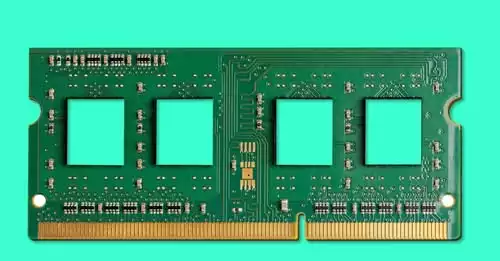
A global RAM shortage is reshaping the tech market, sending prices for PCs and smartphones climbing. Research from the International Data Corporation (IDC) predicts the scarcity will persist well into 2027, impacting both budget-friendly devices and high-performance AI PCs. For consumers, this means upgrades may cost more, and entry-level devices might lose features as manufacturers adapt to rising memory costs.
The world’s largest memory producers — Micron, Samsung, and SK Hynix — are prioritizing AI companies, which consume massive amounts of RAM for their data centers. This reallocation has sent standard PC memory prices soaring, hitting gamers and tech enthusiasts first. Now, even smartphones and tablets are feeling the pinch, creating a ripple effect across consumer electronics.
Brands like Xiaomi, Oppo, Vivo, Honor, and Huawei are expected to pass higher RAM costs directly to buyers. With limited flexibility to substitute cheaper components, many budget smartphones could see notable price hikes in 2026. Some manufacturers, including Xiaomi and Honor, have already started raising tablet prices, signaling similar changes may soon hit smartphones.
Samsung and Apple face fewer pressures, thanks to long-term memory contracts that secure supply 12–24 months ahead. This advantage allows them to maintain performance and pricing for flagship devices, keeping higher costs from impacting consumers as immediately as with budget phones.
AI-focused PCs, which require large amounts of high-speed RAM, are among the hardest-hit. Enthusiasts building custom rigs or companies investing in AI-ready systems may need to budget significantly more in 2026. The shortage may also slow development of certain AI tools if hardware costs rise faster than software budgets can accommodate.
Shoppers may need to plan upgrades more carefully, considering alternative brands or older models with sufficient memory. For gamers and AI professionals, early purchases or pre-orders could secure the best prices before further hikes. Understanding which devices are most affected — particularly budget smartphones and AI PCs — will help buyers make informed decisions.
IDC’s analysis suggests the memory shortage is “signaling the end of an era of cheap, abundant memory and storage,” at least temporarily. Prices are expected to remain elevated through 2027, and consumers should brace for a market where memory cost is a major factor in device pricing. Manufacturers may continue balancing performance, specifications, and cost to maintain sales in a constrained environment.
The RAM shortage isn’t a short-term glitch — it’s a market shift affecting devices from budget smartphones to AI-ready PCs. For consumers, adapting means planning purchases wisely, staying informed about memory availability, and recognizing that high-performance and budget devices alike may carry steeper price tags in the coming years.










Comment