
Substack TV App Launch Raises Big Questions for Creators
Substack is launching a TV app, and many users are asking the same question: why now, and at what cost? The company has officially announced new apps for Apple TV and Google TV, allowing subscribers to watch videos and livestreams from creators they follow. While the move expands Substack’s reach beyond email and mobile screens, early reactions show clear frustration among writers who joined the platform for its writing-first promise. The update highlights a growing tension between growth-driven product expansion and the expectations of Substack’s earliest supporters.
What the New Substack TV App Actually Does
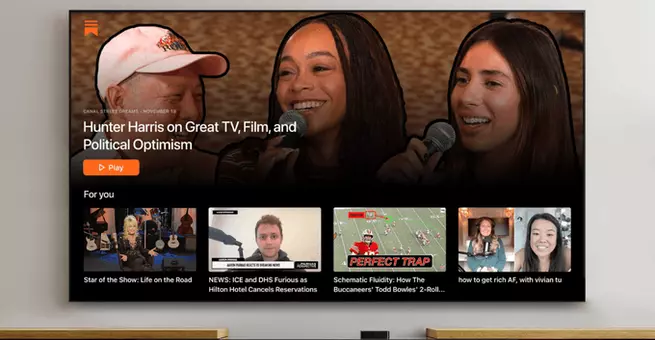
The Substack TV app lets both free and paid subscribers watch video content and livestreams directly on their televisions. Users can follow creators they already subscribe to, making it easier to consume long-form video content in a living-room setting. Alongside this, the app introduces a recommendations-based “For You” feed that surfaces content from creators users may not already follow. Substack has also confirmed plans to add audio content and more discovery tools over time. From a product standpoint, the app positions Substack closer to modern multimedia platforms rather than a newsletter-focused service.
Early User Reactions Show Deep Frustration
Not everyone welcomed the announcement. Shortly after Substack published its blog post, comments began piling up from writers and longtime users expressing disappointment. Many questioned why the company continues to invest heavily in video instead of reinforcing tools for writers. Some commenters openly pleaded for Substack to protect the written word, arguing that video-centric features dilute what once made the platform special. Although a smaller group expressed excitement about expanded reach and new formats, the dominant tone reflected concern rather than celebration.
Fear of Losing a Writing-First Identity
The backlash surrounding the Substack TV app taps into a long-running anxiety among early adopters. For years, Substack was marketed as a refuge for writers and journalists seeking independence from traditional media pressures. Its identity was built around newsletters, direct audience relationships, and predictable income through subscriptions. As video, livestreams, and social-style features have rolled out, some creators feel that writing is no longer the platform’s clear priority. The TV app, for critics, feels like another step away from Substack’s original mission.
Substack’s Rapid Shift Toward Multimedia Content
The TV app did not appear in isolation. Over recent years, Substack has steadily expanded beyond newsletters by introducing video posts, livestreaming tools, and short-form updates. The platform has also made public efforts to attract creators known primarily for video-based audiences. These changes suggest a broader strategy to compete for attention in a crowded creator economy where video dominates user engagement. From a business perspective, the shift may be logical, but it risks alienating writers who joined precisely because Substack once resisted these trends.
Monetization Changes Add to Creator Anxiety
Adding to the unease is Substack’s evolving stance on monetization. For a long time, the company positioned itself as an ad-free alternative to traditional media models. That stance has softened, with Substack now allowing sponsored segments that writers can integrate into newsletters. While optional, this change signals a willingness to experiment with revenue streams beyond subscriptions. Combined with the push toward video and TV apps, some writers worry Substack is slowly adopting the same pressures they originally sought to escape.
Why Substack Believes the TV App Makes Sense
From Substack’s perspective, the TV app represents growth, accessibility, and relevance. Video and livestreams perform well across platforms, and television apps offer creators another way to reach audiences without relying on external distribution. The company argues that expanding formats gives creators more flexibility rather than replacing writing altogether. Making the app available to both free and paid users also lowers barriers to entry, potentially helping creators grow their subscriber base faster.
A Platform at a Strategic Crossroads
The Substack TV app launch underscores a pivotal moment for the company. On one hand, expansion into TV, video, and audio may be necessary to compete in a rapidly evolving creator economy. On the other, Substack risks weakening the trust of writers who believed the platform would always prioritize text-based publishing. How Substack balances innovation with its founding values will likely shape its reputation over the next few years. For now, the debate makes one thing clear: Substack’s future direction matters deeply to the people who built their careers on it.
What This Means for Substack’s Long-Term Vision
The mixed reaction to the Substack TV app suggests that growth alone will not define success. Creators want clarity about what Substack stands for and who it is ultimately serving. If the platform can reassure writers while thoughtfully integrating new formats, it may strengthen its ecosystem rather than divide it. If not, dissatisfaction could grow louder as the gap widens between Substack’s original promise and its expanding ambitions. Either way, the TV app marks a turning point that will shape how creators view Substack in 2026 and beyond.










Comment