
Alerts
-
3 minutes, 25 seconds
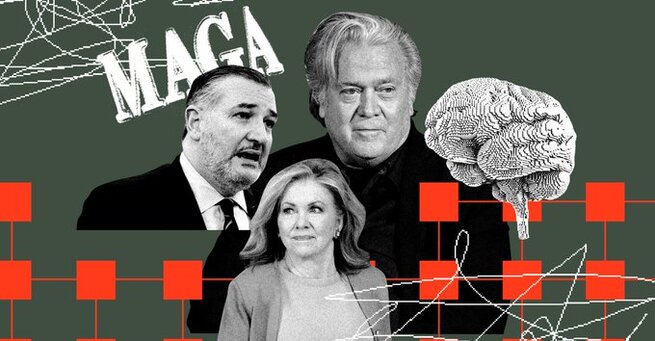
How Steve Bannon Helped Kill the AI Moratorium
Conversations around the AI moratorium took a sharp turn after Steve Bannon mobilized MAGA populists against what was once a near-final compromise in the Senate. While the tech industry was on the verge of securing a five-year moratorium on state-level AI regulations through the Big Beautiful Bill, a last-minute blitz by Bannon and conservative activist Mike Davis derailed the effort. Their push revealed the deepening cracks between Big Tech-aligned conservatives and the MAGA base, triggering political chaos at a critical juncture. The outcome not only stunned lawmakers but also left the AI industry scrambling to assess the damage.
Why the AI Moratorium Was So Controversial
The AI moratorium had backing from powerful tech interests and key senators like Marsha Blackburn and Ted Cruz, who negotiated a version that preserved some state-level child safety protections. But MAGA-aligned conservatives felt betrayed. To them, the moratorium represented Big Tech overreach and a federal power grab aimed at silencing local governance. Bannon’s War Room show quickly became ground zero for mobilizing public outrage. In just 24 hours, the narrative flipped from compromise to conspiracy, with Bannon branding the deal worse than the original bill and urging followers to pressure lawmakers into killing it outright.
MAGA Populists vs. Tech-Right Conservatives
The campaign to sabotage the AI moratorium highlighted a growing divide within the Republican party. On one side were Silicon Valley-aligned conservatives who view AI as essential to America’s economic and national security. On the other, MAGA populists saw the bill as a Trojan horse that could hand too much control to unelected tech elites. Steve Bannon’s ability to sway the outcome with a single War Room episode exposed just how fragile consensus remains—even when legislation appears settled. It also reinforced that grassroots pressure, when timed right, can overpower the influence of corporate-backed lawmakers.
What Happens Now Without the AI Moratorium?
With the AI moratorium dead, states are once again free to pass their own AI regulations—something Big Tech hoped to avoid. The implications are vast: startups may face inconsistent compliance requirements, and national AI policy remains fragmented. For Bannon and MAGA loyalists, this was a win against centralized power. For others, it's a reminder of how volatile and polarized AI governance has become. The collapse of the moratorium may also embolden more populist figures to challenge bipartisan tech initiatives, making future regulation even harder to achieve.










Comment