
Alerts
-
6 minutes, 58 seconds
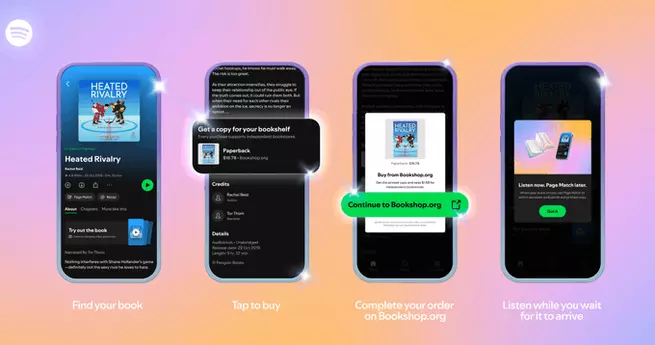
Spotify physical books are officially part of the company’s 2026 strategy, answering a question many listeners have been asking: can one app truly connect audiobooks and traditional reading? Within the first half of the year, Spotify will let users buy physical copies of audiobooks they discover on the platform, blending listening and reading into a single experience. The move targets audiobook fans who still love paper pages while helping Spotify deepen engagement beyond streaming. It also signals a broader push to turn casual listeners into long-term readers. For users, the promise is simple—discover a story once and enjoy it in more than one format.
Spotify’s growth in audiobooks has been steady, but competition in audio entertainment is fierce. Music streaming alone is no longer enough to guarantee loyalty, especially as platforms fight for attention on mobile screens. By leaning into books, Spotify is betting that stories create deeper emotional bonds than playlists alone. Physical books offer something audio cannot replicate: ownership, presence, and the ritual of reading. This expansion positions Spotify as a full-spectrum storytelling platform rather than just a listening app.
From a business perspective, physical books also open new revenue paths without disrupting the core streaming model. Users who already trust Spotify for discovery are more likely to buy what they find there. That trust is key to long-term growth.
When Spotify physical books launch, users browsing audiobooks will see a clear option to purchase a printed copy for their personal library. Tapping the option redirects users outside the app to complete the transaction through a dedicated checkout experience. The process is designed to feel intentional rather than impulsive, keeping Spotify focused on discovery while purchases happen elsewhere.
This separation helps Spotify avoid cluttering the app while still guiding users toward ownership. It also keeps the experience clean for mobile users, where simplicity matters most. The result is a friction-light path from listening to reading.
Alongside physical book sales, Spotify is introducing Page Match, a feature aimed at syncing audiobooks with print and digital copies. Using a phone camera, readers can scan pages and instantly continue the story in audio form. This feature solves a common frustration for modern readers—switching formats without losing progress.
Page Match reflects a broader trend toward flexible consumption. Readers no longer want to choose between listening and reading; they want both. By removing that barrier, Spotify makes its audiobook catalog more useful in everyday life, whether commuting, relaxing at home, or reading before bed.
Spotify executives have framed the physical books push as a way to grow reading overall, not replace existing habits. The company isn’t trying to redefine what books are, but rather make them easier to access through modern discovery tools. For many users, finding a book is harder than consuming it. Spotify’s algorithms already excel at surfacing content people didn’t know they wanted.
By applying that discovery engine to books, Spotify could introduce new readers to authors they might never encounter otherwise. This approach aligns with broader cultural efforts to keep reading relevant in a short-form content era.
For authors, Spotify physical books offer a new visibility channel tied directly to audio success. A popular audiobook can now translate into print sales without relying solely on traditional marketing. Publishers benefit from a platform that already understands user preferences and listening habits.
This integration also strengthens the case for audiobooks as a discovery tool rather than a separate format. When audio leads to print, the entire ecosystem benefits. Spotify becomes a bridge rather than a destination, which could encourage wider industry cooperation.
Spotify’s move into physical books isn’t about nostalgia—it’s about flexibility. Modern audiences consume stories across formats, devices, and moments. By acknowledging that reality, Spotify is positioning itself ahead of platforms that still treat media types as silos.
The success of this strategy will depend on execution, especially how seamlessly Page Match works in real-world use. If done right, Spotify could redefine how people move between listening and reading without friction.
Spotify physical books represent more than a feature update; they reflect a shift in identity. The company is no longer just a music or podcast app—it’s becoming a hub for stories in every form. That ambition carries risk, but it also opens the door to deeper user loyalty.
As audiobooks continue to grow and readers seek flexibility, Spotify’s bet on blending formats feels timely. If users embrace the idea of discovering, listening, and owning books through one platform, this could be the start of a much larger transformation in digital reading culture.








Comment