
Alerts
-
5 minutes, 31 seconds
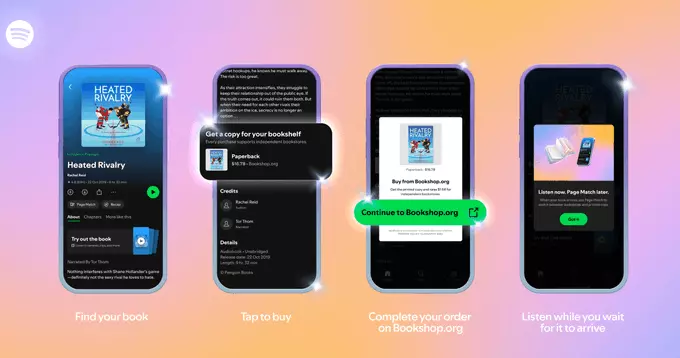
Spotify is expanding beyond audio streaming and stepping into physical retail by offering printed books to users in the US and UK. The move raises questions like how Spotify now sells printed books, what titles are available, and whether this changes how users discover reading content. Through a new retail partnership, the platform is blending music, podcasts, and books into one ecosystem. The rollout is designed to make book discovery easier inside the same app people already use daily. It also reflects a wider industry shift where streaming platforms are experimenting with physical product ecosystems to deepen user engagement and retention.
Spotify is best known for music streaming and podcasts, but this latest update signals a broader ambition. By introducing printed books, the platform is moving closer to becoming a full lifestyle discovery hub. Instead of focusing only on audio content, it now connects users with physical media that complements listening habits. Early access is being rolled out in select regions, starting with the United States and United Kingdom, with more expansion expected over time. Analysts view this as a strategic diversification move aimed at reducing reliance on subscription-only revenue streams while increasing time spent within the platform environment and strengthening brand loyalty.
The company is working with an established book retail partner to handle catalog access, ordering, and fulfillment. Users browsing within Spotify can now see curated book selections tied to artists, podcasts, and cultural trends. This integration allows recommendations to feel more personal, based on listening history and interests. Rather than reinventing the retail process, Spotify is embedding book discovery directly into its existing interface. The goal is to reduce friction between inspiration and purchase, making discovery feel immediate and context-driven.
This expansion reflects a growing trend where digital platforms are bridging the gap between entertainment formats. For readers, it creates a seamless path from hearing about a book on a podcast to purchasing a physical copy. It also strengthens the discovery process, making it easier to find new authors without leaving the app. Industry analysts suggest this could increase visibility for independent publishers and niche genres. It may also encourage cross-media storytelling, where artists and creators promote books alongside audio content.
Users can expect a gradually expanding catalog, with curated recommendations playing a central role. The experience is designed to feel integrated rather than transactional, encouraging exploration rather than direct shopping behavior. Availability will vary by region, and features may evolve based on user feedback. The focus is on blending entertainment discovery with reading culture in a way that feels natural and engaging. Over time, personalization tools may refine suggestions based on combined listening and reading behavior.
Spotify’s move into printed books highlights its strategy of becoming more than a streaming platform. By combining audio content with physical reading options, it is reshaping how users interact with media. While still in early stages, the rollout signals a shift toward unified content ecosystems where discovery is the main product. If successful, it could redefine how entertainment platforms influence reading habits globally. The company’s long-term vision appears centered on turning everyday media consumption into a connected, multi-format experience.
Industry observers also note that the move could open new promotional opportunities for authors and creators, especially those already active in audio spaces. By linking listening habits with physical book recommendations, Spotify may create a feedback loop that strengthens engagement across formats. This approach could reshape how audiences discover literature, making recommendations feel more contextual, timely, and directly connected to cultural conversations happening within the platform. It also reinforces Spotify’s push toward becoming an all-in-one entertainment and discovery ecosystem over time widely.









Comment