
-
2 minutes, 45 seconds
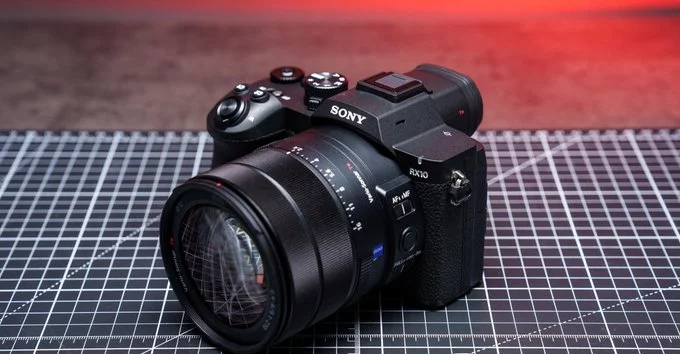
Sony has revived its popular superzoom camera, the RX10 series, with a major upgrade: a stacked CMOS sensor. But this new model comes with a premium price tag that might make you think twice. In this article, we break down what the new Sony RX10 offers, who it's for, and whether it's worth the investment.
The latest Sony RX10 is a bridge camera that packs a powerful zoom lens (typically 24-200mm equivalent) into a compact body. The big news is the stacked sensor, which allows for faster readout speeds, better low-light performance, and improved autofocus. This is the same type of sensor found in Sony's high-end mirrorless cameras like the A9 series.
The new RX10 is priced significantly higher than its predecessor. Why? The stacked sensor technology is expensive to produce, and Sony has included professional-grade features like 20fps burst shooting with continuous autofocus and 4K 60fps video. This camera is aimed at serious enthusiasts and semi-professionals who want a do-it-all travel companion without swapping lenses.
Compared to a DSLR or mirrorless camera with a superzoom lens, the RX10 is more compact and lighter. However, the 1-inch sensor is smaller than APS-C or full-frame sensors, so you may notice slightly less dynamic range and background blur. But for most users, the convenience of the all-in-one design wins out.
Pros:
Cons:
The Sony RX10 with a stacked sensor is a powerful tool for those who need a single camera for everything. If you value portability and don't want to carry multiple lenses, the premium price might be justified. But if you're on a tight budget or need the absolute best image quality, consider a mirrorless camera with a superzoom lens instead.
In short: the new RX10 is a niche product for dedicated photographers and videographers who want the best all-in-one solution. For everyone else, the older RX10 models or a smartphone might be enough.

2.5K articles

1.4K articles

34 articles

28 articles














Comment