Alerts

-
3 minutes, 4 seconds
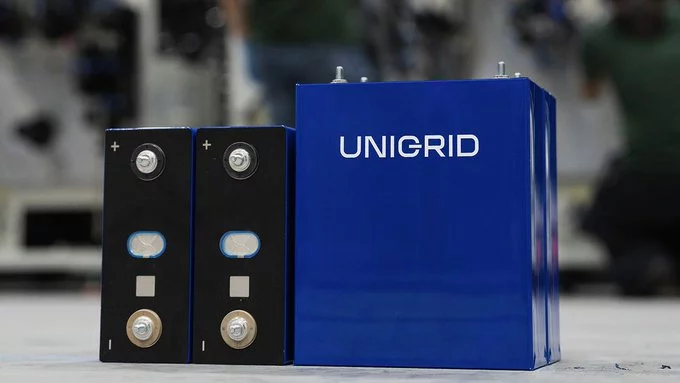
As the demand for energy storage surges, scientists are increasingly highlighting sodium-ion batteries as a compelling alternative to their lithium-ion counterparts. The primary driver is cost and abundance. Unlike lithium, which is geographically concentrated and subject to volatile pricing, sodium is sourced from seawater and vast mineral deposits, making it both widely available and significantly cheaper to extract. This fundamental advantage reduces the material cost of the cell, offering a more economically sustainable path for large-scale grid storage and other applications where weight and energy density are less critical than price.
While sodium-ion technology is not new, recent advancements have accelerated its viability as a commercial product. The focus on this chemistry represents a strategic shift, aiming to alleviate supply chain pressures associated with lithium. By leveraging a material that is essentially ubiquitous, manufacturers can potentially sidestep geopolitical and logistical hurdles. This positions sodium-ion not as a replacement for lithium in every scenario, but as a pragmatic and resilient option for a future energy economy, particularly where stationary storage is the primary goal.
A California-based startup has cleared a critical hurdle for its sodium-ion battery technology, passing a rigorous safety test that underscores its commercial viability. The company, which has been developing sodium-ion cells as a lower-cost alternative to lithium-ion, successfully completed the nail penetration test—a standard procedure that simulates an internal short circuit. During the test, the sodium-ion cell did not catch fire or explode, a stark contrast to the thermal runaway often observed in lithium-ion cells under similar conditions.
This achievement is significant because it demonstrates that sodium-ion chemistry can meet the strict safety requirements demanded by the electric vehicle and grid storage markets. The startup’s success suggests that sodium-ion batteries can offer not only material cost advantages but also a more robust safety profile. As the company moves toward pilot production, this validated safety performance is a key step in proving that sodium-ion technology is a viable, bankable option for large-scale energy storage applications.
Sodium-ion batteries offer a compelling economic and logistical edge over their lithium-ion counterparts, primarily because they rely on abundant materials. Unlike lithium, which requires energy-intensive mining and is geographically concentrated, sodium is derived from widely available sources, including seawater and salt deposits. This abundance directly translates to lower material costs, making sodium-ion cells significantly cheaper to produce at scale.
Critically, this cost reduction does not come at the expense of performance. In many applications, sodium-ion batteries deliver similar performance to lithium-ion, particularly in terms of energy density and cycle life for stationary storage and short-range electric vehicles. This means manufacturers can adopt the technology without sacrificing reliability or output. The supply chain for sodium is also less vulnerable to geopolitical disruptions, offering a more stable and predictable pricing structure. For industries seeking a practical and sustainable alternative, sodium-ion presents a clear cost-performance advantage that is difficult to ignore.
Looking ahead, sodium-ion batteries hold significant promise for grid-scale energy storage and low-cost electric vehicles, where their material abundance offers a strategic advantage. However, several hurdles remain before widespread commercialization. Chief among these is energy density, which is currently lower than lithium-ion’s, limiting the driving range for passenger EVs. Additionally, the manufacturing scale is still nascent; production lines optimized for lithium-ion cannot be directly converted, requiring substantial capital investment. Researchers are actively exploring new cathode materials and electrolyte formulations to boost cycle life and performance. As noted in the source, overcoming these technical and economic barriers will determine whether sodium-ion can carve out a substantial market share, particularly in applications where cost and sustainability outweigh raw performance metrics.










Comment