
Alerts
-
5 minutes, 35 seconds
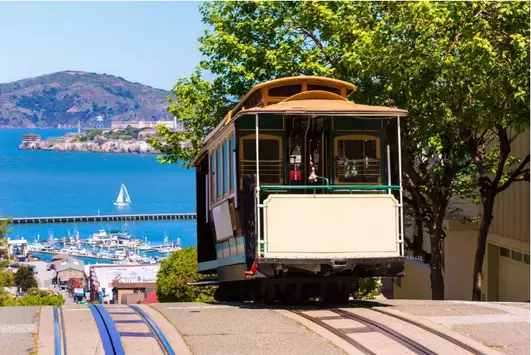
San Francisco’s comeback is no longer being measured by tech hiring alone, and many residents are noticing the shift. After years defined by layoffs, empty offices, and pessimistic headlines, the city’s recovery is taking shape in a different direction. While venture funding has stabilized and business formation has improved, the real momentum is coming from outdoor recreation and wellness. Founders are building companies rooted in experience, health, and geography rather than pure scale. This emerging outdoor economy is quietly reshaping how the city works and why people stay.
For much of the past decade, San Francisco’s identity was tied to a single industry. When tech slowed, the city’s economy felt brittle. Today, that monoculture is loosening. Rather than waiting for offices to refill, entrepreneurs are leaning into what makes San Francisco physically distinct. Access to water, parks, and natural infrastructure is becoming an economic advantage. The result is a recovery built on diversification instead of dependency.
National data helps explain why this shift matters. Outdoor recreation now generates over a trillion dollars in economic output and supports millions of jobs across the U.S. The sector has grown faster than many traditional industries, including agriculture and utilities. In employment terms, it represents the largest share ever recorded. This growth signals a durable demand for experiences tied to health and place. San Francisco is well positioned to capture that momentum.
In San Francisco, outdoor growth is translating into businesses that monetize experience rather than volume. These ventures rely on geography as a core asset, not a marketing hook. The city’s waterfront, trails, and climate are not background features—they are the product. This model favors small, resilient operators over hyper-scaled platforms. It also aligns with changing consumer priorities around wellness and connection. For founders, it offers a different path to sustainability.
One such business is SpinOut Fitness, founded by local entrepreneur Damien McCloud. After years working across tech and creative roles, a serious accident forced him to rethink his relationship with work. Recovery pushed him outdoors, where movement became essential to his health. Living near the Bay, he began imagining fitness that didn’t feel isolating or repetitive. That question led him to water biking and, eventually, to entrepreneurship. The idea clicked because it matched how he wanted to live.
Turning that idea into a company required personal risk, not institutional backing. McCloud bootstrapped the business by selling assets and reinvesting every dollar earned. He started with a single bike and grew demand organically through visibility and word-of-mouth. The experience itself became the marketing engine. Expansion came slowly but steadily, grounded in real customer interest. Today, SpinOut Fitness is preparing to grow across the Bay Area and beyond.
SpinOut’s success highlights a broader truth about the city’s moment. As remote work reshapes professional life, location still matters—but differently. People are choosing places that support how they want to feel, not just where jobs are located. Outdoor businesses benefit from this shift because they offer something digital work cannot replicate. In San Francisco, the environment becomes a competitive advantage. That dynamic is fueling a new class of founders.
For many entrepreneurs, this path is also about control and inclusion. Traditional corporate environments often limited who could advance and how. Building independently allows founders to create opportunity on their own terms. In high-cost cities, that autonomy can be the difference between burnout and sustainability. San Francisco’s outdoor economy reflects that mindset. The city’s comeback may not come from the next app—but from businesses built around how people want to live now, outside and rooted in place.









Comment