Alerts

-
6 minutes, 24 seconds
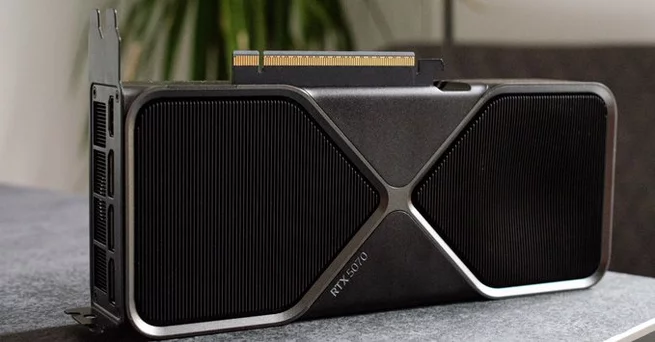
RTX 5070 Ti availability is suddenly under the spotlight after reports suggested one major graphics card partner is winding down production due to ongoing memory shortages. Many gamers are asking the same questions right now: Is the RTX 5070 Ti being discontinued, and should buyers worry about long-term availability? Early signals point to a more complicated reality, where supply constraints are colliding with high demand rather than an outright cancellation. Still, the situation highlights how fragile the current GPU supply chain remains in 2026.
Shortages are not new to PC hardware, but the timing is concerning. The RTX 5070 Ti sits in a critical price-performance segment, making it one of the most sought-after GPUs for mainstream and enthusiast gamers alike.
According to multiple industry sources, Asus has informed partners that its RTX 5070 Ti is facing severe supply challenges tied directly to memory availability. As a result, the company has reportedly placed the model into an end-of-life phase, signaling a gradual wind-down rather than an abrupt halt. The same situation is said to apply to Asus’s 16GB RTX 5060 Ti, another card aimed at value-conscious buyers.
Retailers in several regions have already struggled to secure fresh inventory, reinforcing the idea that production has slowed significantly. While Asus has not issued a detailed public explanation, the move suggests that manufacturing constraints have reached a point where continued production is no longer viable under current conditions.
The core issue behind the RTX 5070 Ti supply crunch appears to be a persistent shortage of graphics memory. As demand for AI hardware accelerates across industries, memory suppliers are prioritizing higher-margin enterprise and data-center contracts. That shift has left consumer GPUs competing for limited resources.
Midrange cards like the RTX 5070 Ti are often the first to feel the pressure. Unlike flagship models, which command premium pricing, affordable variants operate on tighter margins. When component costs rise or supply tightens, manufacturers are more likely to scale back these models first.
Despite concerns sparked by Asus’s reported decision, Nvidia has pushed back on the idea that the RTX 5070 Ti itself is being discontinued. A company spokesperson confirmed that production across the GeForce lineup is continuing, even as memory constraints limit overall output. Nvidia says it is working closely with suppliers to increase memory availability and ship as many units as possible.
This clarification is important. It suggests that the current situation is partner-specific rather than a platform-wide phase-out. In other words, while some brands may pause or end production, the RTX 5070 Ti is not disappearing entirely from the market.
Not all graphics card makers are following the same path as Asus. At least one manufacturer has confirmed that its newly announced RTX 5070 Ti model remains on schedule and is expected to begin shipping within weeks. That reassurance indicates that supply conditions vary widely between partners, depending on existing contracts and inventory strategies.
However, industry analysts caution that continued production depends on whether manufacturers can secure enough memory to justify ongoing assembly. If shortages persist through the first half of the year, more brands could quietly scale back similar models.
The RTX 5070 Ti was designed to deliver next-generation performance without flagship pricing, making it especially vulnerable during supply disruptions. High-end GPUs can absorb rising component costs, but midrange cards have less flexibility. When memory prices climb, manufacturers face difficult choices between shrinking margins or reducing output.
This trend explains why affordable RTX 50-series cards are seeing pressure before higher-tier models. For consumers, it means availability may remain inconsistent, and pricing could fluctuate unpredictably in the months ahead.
For gamers planning to buy an RTX 5070 Ti, patience and flexibility may be essential. While the card is not officially discontinued, supply may remain tight depending on brand and region. Buyers may need to watch multiple manufacturers, act quickly when stock appears, or consider nearby alternatives within the same generation.
The broader takeaway is clear. Even in 2026, the GPU market is still shaped by global supply priorities, and memory remains one of the most critical bottlenecks. The RTX 5070 Ti situation is less about a single card and more about an industry still adapting to unprecedented demand pressures.
As manufacturers and suppliers adjust, availability could stabilize later in the year. Until then, the RTX 5070 Ti stands as a reminder that next-gen performance does not always guarantee next-gen availability.










Comment