
Alerts
-
6 minutes, 55 seconds
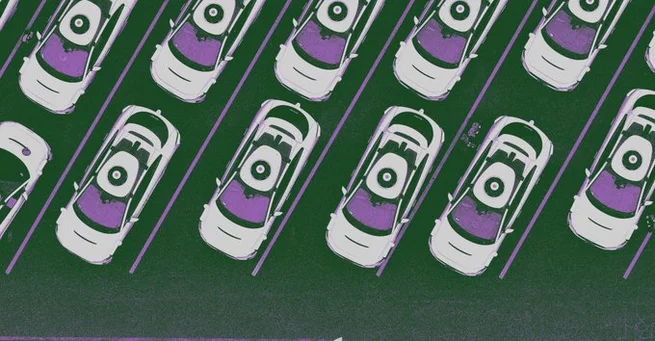
Robotaxi safety took the spotlight during a tense US Senate hearing as lawmakers questioned Waymo and Tesla over crashes, liability, and the lack of clear federal rules. Many readers want to know whether self-driving cars are safe, who is responsible when things go wrong, and why Congress has struggled for years to regulate the technology. Those questions surfaced repeatedly during the two-hour session, where executives urged swift action while senators expressed deep skepticism. By the end, little progress had been made toward resolving the legal and safety gaps surrounding autonomous vehicles.
Despite broad agreement that the United States risks falling behind China, lawmakers appeared divided on how to move forward.
Waymo faced sharp scrutiny over several incidents tied directly to robotaxi safety, including reports that its vehicles failed to stop behind school buses during student pickups. Senators raised concerns about how such mistakes could undermine public trust, especially as the company prepares to expand its autonomous fleet. Executives defended their safety processes, pointing to millions of autonomous miles driven and ongoing software updates. Still, lawmakers questioned whether voluntary standards are enough when children and pedestrians are involved.
Another point of contention was Waymo’s decision to use a Chinese-made vehicle platform for its next-generation robotaxi. Senators asked whether relying on foreign manufacturing could pose national security or supply chain risks. Waymo responded that its software and safety systems are developed domestically, but doubts lingered. The exchange highlighted how robotaxi safety debates are now intertwined with geopolitics.
Tesla executives were grilled over several decisions that senators say could directly affect robotaxi safety. One major issue was the company’s choice to remove radar sensors from its vehicles in favor of camera-only systems. Lawmakers questioned whether this approach provides enough redundancy in poor weather or low-visibility conditions. Tesla defended the strategy as more scalable and aligned with human vision, but critics remained unconvinced.
Liability was another flashpoint. Senators pressed Tesla on its support for binding arbitration, which can limit consumers’ ability to sue after accidents. They also challenged the company’s marketing of autonomous features, suggesting that some drivers may overestimate their vehicle’s capabilities. Tesla acknowledged the importance of clearer communication but stopped short of endorsing stricter advertising rules.
Throughout the hearing, executives from both companies warned that delays in federal regulation could allow China to dominate autonomous vehicle development. They argued that fragmented state-level rules slow innovation and make large-scale deployment harder. According to their testimony, a national framework could improve robotaxi safety by setting consistent standards for testing, data sharing, and oversight.
Senators agreed that global competition is intensifying but differed on whether speed should outweigh caution. Several lawmakers stressed that rushing legislation without firm safety guardrails could backfire. Others argued that uncertainty itself creates risk, leaving companies to self-police in the absence of binding rules. The tension underscored a core dilemma: how to balance innovation with public protection.
Tesla’s vice president of vehicle engineering emphasized that existing vehicle regulations were written decades ago and fail to account for software-driven systems. He argued that outdated rules make it harder to deploy safer, more advanced technologies. From over-the-air updates to automated driving systems, executives said the regulatory framework has not kept pace with reality.
Lawmakers, however, pushed back on the idea that regulation is the main obstacle. Some suggested that clearer accountability would actually improve robotaxi safety by forcing companies to meet enforceable benchmarks. Others questioned whether industry lobbying has slowed progress by seeking flexibility without responsibility. The back-and-forth revealed how far apart the two sides remain.
Despite years of discussion, Congress has yet to pass comprehensive legislation governing autonomous vehicles. The hearing made clear why. Safety incidents, unresolved liability questions, and public mistrust continue to stall consensus. Lawmakers also worry about setting precedents that could affect other emerging technologies.
At the same time, cities and states are left to fill the gap, creating a patchwork of rules that frustrates both regulators and companies. This fragmented approach complicates robotaxi safety oversight, especially as vehicles cross state lines. Without federal leadership, the status quo is likely to persist.
The Senate hearing showed that robotaxi safety is no longer a niche issue reserved for technologists. It is now a national policy question touching on consumer protection, global competition, and infrastructure. While executives and lawmakers agree on the stakes, they remain far apart on solutions.
For now, the path forward looks uncertain. Autonomous vehicles will continue to operate under limited exemptions and state rules, while Congress debates its next move. Until lawmakers bridge the gap between innovation and accountability, robotaxi safety will remain a contentious and unresolved issue at the heart of the self-driving future.








Comment