


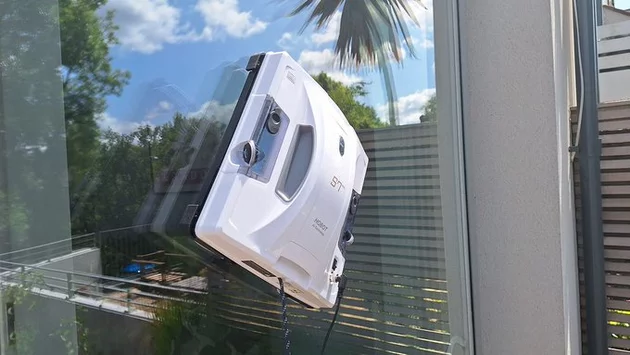
Robot Window Cleaners Tested: Are They Really Worth Buying?
-
6 minutes, 13 seconds
Robot Window Cleaners Explained: What Buyers Really Want to Know
Robot window cleaners are designed to automatically scrub glass surfaces using suction, microfiber pads, and programmed cleaning paths. Many shoppers want to know whether these devices actually clean well, how safe they are on high windows, and if they truly save time compared to manual cleaning. After hands-on testing, the short answer is yes, they can be helpful—but they are not perfect. Performance depends heavily on window condition, setup, and expectations. Understanding both strengths and limitations is essential before spending your money.
Why Robot Window Cleaners Are Suddenly Everywhere
Robot window cleaners are gaining attention as smart home gadgets continue to move beyond floors and lawns. For homes with large glass doors, balconies, or high windows, manual cleaning can feel like a constant chore. Hiring professional cleaners solves the problem but adds recurring costs and scheduling hassles. Window-cleaning robots promise independence, convenience, and safety, especially for hard-to-reach exterior glass. That convenience is the main reason interest in these devices is growing so quickly.
How Robot Window Cleaners Actually Work
Most robot window cleaners rely on powerful suction motors to stay attached to glass surfaces. They move in systematic patterns, usually zigzag or grid-based, while microfiber pads scrub away dirt. Some models spray cleaning solution automatically, while others require manual application beforehand. Safety features like backup batteries and tether cords prevent falls during power loss. While the technology feels futuristic, it is still relatively simple and focused on repetitive, methodical motion.
Real-World Cleaning Performance on Dirty Windows
On lightly dusty or recently cleaned windows, robot window cleaners perform impressively well. They leave glass visibly clearer and handle fingerprints, smudges, and everyday grime with ease. However, heavily soiled windows tell a different story. Stubborn dirt, dried rain spots, or bird droppings often require multiple passes or manual pre-cleaning. These robots clean consistently, but they lack the pressure and judgment of a human hand tackling tough stains.
Time Savings vs Manual Effort: The True Trade-Off
Robot window cleaners absolutely reduce physical effort, especially for large glass surfaces. Once set up, they can clean while you focus on other tasks. That said, setup time matters. Preparing pads, applying solution, attaching safety cords, and repositioning the robot across multiple panes can eat into those time savings. For smaller homes, traditional cleaning may actually be faster. These robots shine most in homes with extensive glass areas.
Safety and Reliability on High or Exterior Windows
Safety is one of the biggest concerns for buyers, especially when cleaning upper-story windows. In testing, suction strength proved reliable, and safety tethers offered peace of mind. Backup batteries worked as intended during simulated power interruptions. Still, these devices require supervision. Trusting a robot entirely on exterior glass without checking progress can be risky, particularly in windy conditions or on uneven surfaces.
Noise Levels and Everyday Usability
Robot window cleaners are noticeably loud, often producing a steady mechanical hum similar to a vacuum cleaner. While not unbearable, the noise can be distracting during long cleaning sessions. Controls are generally simple, with remote operation or app-based commands. Learning to position the robot correctly takes some practice, and first-time users may experience uneven cleaning until they get comfortable with the process.
Maintenance and Ongoing Costs to Consider
Owning a robot window cleaner involves more than the upfront purchase. Microfiber pads need frequent washing or replacement to maintain performance. Cleaning solutions add a small recurring expense, even if you use homemade alternatives. Motors and suction components also require care to prevent dust buildup. While maintenance is manageable, it is not entirely hands-off.
Who Should Buy a Robot Window Cleaner
Robot window cleaners make the most sense for homes with large glass doors, floor-to-ceiling windows, or difficult-to-access exterior panes. They are especially useful for people who dislike manual cleaning or want to reduce reliance on professional services. Apartment dwellers with limited window space may find them less cost-effective. These devices are tools, not miracles, and work best when used strategically.
The Bottom Line on Robot Window Cleaners
Robot window cleaners deliver genuine convenience and noticeable effort savings, but they are not flawless replacements for human cleaning. They excel at maintenance cleaning rather than deep restoration of neglected glass. Buyers who understand their limitations tend to be the most satisfied. If your goal is safer, easier, and more consistent window upkeep, a robot window cleaner can be a worthwhile investment. If you expect spotless results without any preparation, expectations may need adjusting.



Contact Information





Suggested Writers
-

2.5K articles
-

1.3K articles
-

34 articles
-

28 articles



Comment