Alerts

-
4 minutes, 43 seconds
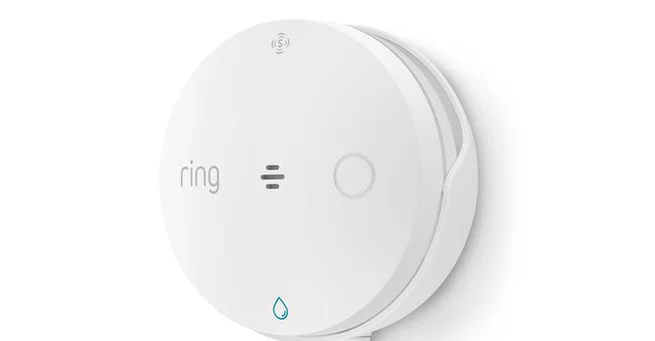
Ring is shaking up the smart home market with a new line of sensors, switches, and monitoring devices that rely on its Sidewalk network instead of Wi-Fi or Z-Wave. These devices are designed to connect without a hub, making it easier than ever to expand your smart home. Homeowners can now control everything from door sensors to flood detectors directly through the Ring app. This hub-free approach promises a more seamless, low-maintenance smart home experience.
Sidewalk is Ring’s long-range, low-power IoT network, built using Bluetooth Low Energy (BLE), LoRa, and 900 MHz technologies. It functions like a cellular network for smart home devices, but at a fraction of the cost. The network uses Sidewalk gateways in homes and businesses—like Echo speakers, displays, and certain Ring cameras—to send small data messages. This community-powered design allows devices to communicate even when Wi-Fi isn’t available, making it ideal for remote or hard-to-wire areas.
Ring’s upcoming products, set to launch in March, include indoor and outdoor door sensors, motion detectors, glass break sensors, and a panic button. For home safety, there’s also a smoke and carbon monoxide alarm listener, a flood and freeze sensor, and temperature and humidity monitors. For convenience, Ring is releasing Sidewalk-enabled smart plugs and switches, including smart light switches, fan controls, and remote controls. Each device integrates with the Ring app and can be professionally monitored with a Ring Protect subscription.
Existing Ring Alarm users don’t have to worry—these new Sidewalk devices are backward compatible with Z-Wave hubs. That means you can add the new sensors to your current Ring ecosystem without replacing older devices. Meanwhile, homeowners without a hub can now enjoy the benefits of smart monitoring without complex setups or extra equipment. The hub-free approach is particularly appealing to users looking to simplify home automation while maintaining strong connectivity.
Ring is not stopping at home sensors. The company is introducing a Sidewalk-connected car alarm that tracks location and movement using GPS, as well as air quality monitors and sump pump monitors. These additions show Ring’s commitment to integrating more aspects of everyday life into its IoT ecosystem. With Sidewalk, users can now monitor both their home environment and vehicles, all from a single platform.
For smart home enthusiasts, Sidewalk’s hub-free devices offer flexibility and reliability. No more worrying about Wi-Fi outages disrupting security alerts or motion detection. Low-power connectivity also means longer device battery life and broader coverage across larger properties. Ring’s expansion demonstrates the growing potential of community-driven IoT networks, making smart home automation accessible to more households without sacrificing performance or security.
With the launch of these devices, Ring is positioning Sidewalk as a mainstream alternative to traditional smart home networks. As adoption grows, more homes and businesses could serve as network gateways, strengthening connectivity for all devices. This move could redefine how we think about smart homes—where convenience, reliability, and accessibility go hand in hand. For anyone invested in the future of IoT, Ring’s Sidewalk expansion is a development worth watching.










Comment