Alerts

-
4 minutes, 31 seconds
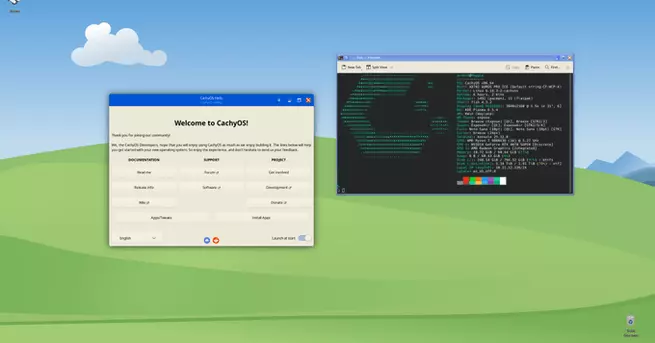
Replaced Windows with Linux after frustration with Microsoft’s increasingly intrusive updates, ads, and system changes. Many readers ask whether Linux is finally usable as a daily desktop OS, whether gaming still breaks things, and if hardware setup is a nightmare. This experiment aims to answer those questions without endless tweaking or deep research. The goal was simple: install Linux, use it for real work, and see what breaks. No distro-hopping, no obsessive optimization, and no turning it into a new hobby. The expectation was mild chaos. The early reality has been calmer than expected.
Instead of choosing a familiar option like Ubuntu, the switch landed on CachyOS, a performance-focused Linux distribution optimized for modern hardware. The appeal was straightforward installation and gaming-friendly defaults. Linux has long been criticized for complexity, but this setup contradicted that reputation quickly. Installation took less time than a typical Windows update cycle. Drivers were detected automatically, and the desktop was usable almost immediately. No command-line heroics were required to get started. That alone felt like progress.
One of the biggest fears when people replace Windows with Linux is hardware compatibility. Nvidia graphics cards, in particular, have a long history of issues. Surprisingly, GPU drivers installed cleanly and worked without manual intervention. Monitors, peripherals, and audio behaved normally from the start. Even printing—a task notorious on Linux—worked on the first try. A quirky gaming mouse issue surfaced, but it only appeared inside games and didn’t affect daily work. Compared to years past, Linux hardware support has clearly matured.
Using Linux as a primary work machine turned out to be uneventful in the best way. Writing, editing, browsing, and communication tools all functioned as expected. There was no constant troubleshooting or workflow disruption. Apps launched quickly, updates were transparent, and the system stayed responsive. The absence of forced reboots and pop-up nags stood out immediately. Linux didn’t demand attention—it simply worked. For productivity, that quiet reliability mattered more than flashy features.
Gaming remains a major reason many users stay on Windows, but that gap is narrowing. One game was installed and ran without serious issues, thanks to modern Linux gaming tools and better driver support. Performance felt comparable to Windows, with no obvious stability problems. While not every game is guaranteed to work, the experience was far from the broken mess people still imagine. For casual or selective gaming, Linux is now a viable option. That alone marks a shift from past expectations.
So far, replacing Windows with Linux hasn’t felt like a sacrifice. The system is stable, fast, and refreshingly quiet. Small quirks exist, but none outweigh the benefits of control and simplicity. This isn’t about declaring Linux perfect or Windows obsolete. It’s about discovering that Linux no longer demands expert-level commitment. For users tired of Windows’ direction, Linux has become a realistic, low-drama alternative. And surprisingly, that realization feels a little like bliss.










Comment