Alerts

-
4 minutes, 37 seconds
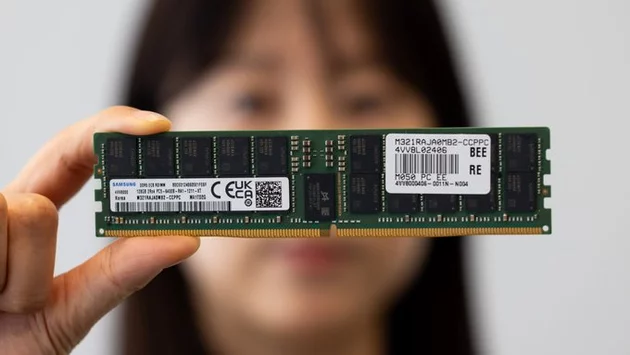
PC buyers are now facing a new trend: computers sold without RAM. Builders like Maingear and Paradox Customs are offering systems without memory to help customers avoid skyrocketing prices. This “bring-your-own-RAM” approach lets buyers save money or reuse memory from older systems, but it also comes with risks. For many, this shift raises questions: Can you find compatible memory at a reasonable price? Will this affect performance?
Rising memory costs have been a major pain point for DIY enthusiasts and gamers throughout 2025, and 2026 shows no signs of easing. By selling RAMless systems, builders aim to reduce inventory headaches while giving customers flexibility. However, buyers need to approach this new option carefully to ensure they get the best value without running into shortages.
Memory prices fluctuate constantly due to supply chain issues and global demand. This volatility can make it difficult for system builders to price their PCs competitively. Selling RAMless systems allows companies to stabilize costs while offering more customizable options.
Maingear and Paradox Customs have already adopted this approach, and industry analysts expect more builders to follow. Some systems still include limited memory configurations, but removing RAM entirely lets buyers choose specific modules and speeds. This strategy reduces waste, keeps prices lower, and appeals to users who already own compatible memory.
One of the biggest advantages is cost savings. By purchasing a system without pre-installed RAM, buyers avoid paying inflated memory prices that often accompany fully assembled PCs. Gamers and office users alike can allocate their budget toward higher-end components like GPUs or faster storage.
Another benefit is flexibility. Users can install memory that matches their preferred speed and capacity, optimizing performance for gaming, content creation, or professional workloads. For tech-savvy buyers with spare RAM on hand, this approach can deliver an immediate upgrade without additional investment.
While the price tag may be appealing, RAMless PCs are not risk-free. Availability remains a major concern. Memory shortages or high prices can make it difficult to find compatible modules, leaving buyers with an incomplete system.
Additionally, some users may face compatibility challenges. Not all RAM works with every motherboard or CPU, and incorrect configurations can limit system performance or even prevent it from booting. Before opting for a RAMless PC, buyers should confirm compatibility and check stock levels to avoid frustrating delays.
The rise of RAMless PCs reflects a broader shift toward modular and customizable systems. As prices for components like memory remain unpredictable, builders may increasingly offer systems that let buyers assemble their own upgrades. This trend empowers users but also demands more research and preparation.
For 2026, expect more manufacturers to explore similar strategies. Bring-your-own-RAM PCs could become a common choice for gamers, DIY enthusiasts, and anyone looking to sidestep rising costs. However, careful planning remains essential to avoid the pitfalls of limited availability and compatibility issues.
RAMless PCs offer a practical solution for navigating high memory prices, but they are not for everyone. Buyers can save money and customize their systems, yet must remain aware of potential shortages and technical challenges. As this trend grows, informed decisions will separate those who benefit from those who encounter frustration.









Comment