Alerts

-
4 minutes, 47 seconds
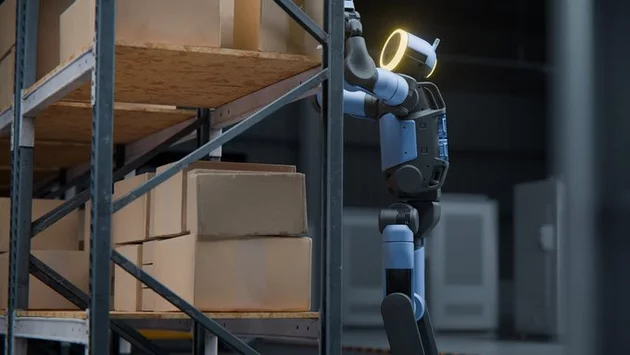
Humanoid robots are increasingly appearing in factories and manufacturing plants, sparking debates about whether they could soon replace human workers. While these machines are impressive, replacing humans entirely seems unlikely anytime soon. The cost per robot remains extremely high, and human employees still offer flexibility and adaptability that machines can’t match.
Even with technological advances, AI robots are unlikely to become the most cost-effective solution for manufacturing. Companies may invest millions upfront, but the return on that investment doesn’t necessarily outweigh the benefits of employing skilled human workers.
Take Boston Dynamics’ Atlas robot as an example. This humanoid robot can perform tasks ranging from lifting heavy objects to navigating complex environments, but each unit costs roughly $300,000. Hyundai, which owns Boston Dynamics, aims to reduce this cost by 70% over the next four years by improving actuator and joint gear production.
If successful, the price could drop to around $130,000 per robot. That sounds like progress, but the figure is still likely higher than the cost of employing human workers for the same tasks. For many businesses, the upfront expense and ongoing maintenance make these robots a risky investment.
One of the biggest advantages humans hold over robots is versatility. A single worker can switch between tasks, solve unexpected problems, and make judgment calls that AI systems cannot replicate. Robots, on the other hand, are specialized machines designed for specific tasks. If production demands shift or errors occur, humans can adapt on the fly, while robots may require reprogramming or costly adjustments.
Even if a factory uses multiple robots to cover a variety of tasks, the combined cost can quickly exceed that of hiring a skilled workforce. Human workers remain more adaptable, capable of multitasking, and often more efficient in unpredictable environments.
Supporters of AI automation argue that robots could eventually reduce labor costs, especially in large-scale operations. However, the math doesn’t always add up. Beyond the purchase price, companies must consider energy consumption, routine maintenance, software updates, and potential repairs.
Additionally, robot production faces material shortages and supply chain challenges that can further inflate costs. Even as prices drop over the next few years, the total cost of ownership for humanoid robots will likely remain higher than human labor for most standard factory tasks.
This isn’t to say robots have no role in the factory of tomorrow. Automation can improve efficiency in repetitive, dangerous, or highly precise tasks. But for now, AI robots are more likely to complement human workers rather than replace them entirely. Hybrid models, where humans and robots work side by side, are emerging as the most practical solution.
Businesses that rush to replace their workforce with AI could face major financial strain, while those that integrate robots thoughtfully may achieve better efficiency without overspending. For the foreseeable future, human adaptability, problem-solving skills, and cost-effectiveness remain difficult for even the most advanced AI robots to surpass.
AI robots in factories may grab headlines, but cost remains a major barrier. Even with projected price drops, humanoid machines still struggle to match the versatility and affordability of human workers. Companies that balance automation with human expertise are likely to see the best results, avoiding costly investments in robots that cannot yet fully replace the workforce.










Comment