
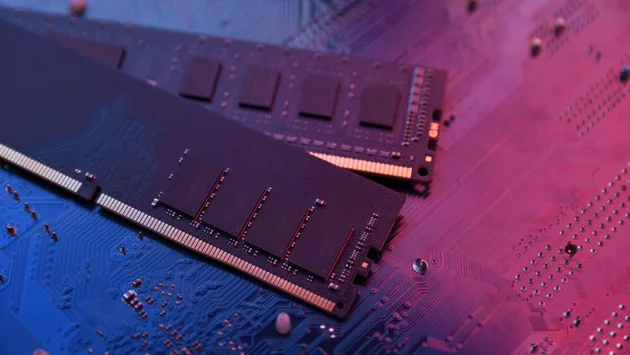
With DDR5 memory prices climbing to record highs, buyers are increasingly falling victim to RAM scams. Reports of fake or downgraded memory arriving in place of premium kits are rising across e-commerce platforms. The surge in fraudulent activity has left PC enthusiasts and gamers asking: How can you ensure the RAM you buy is genuine and worth the cost? Experts warn that these scams exploit return systems and high market demand, making vigilance more important than ever.
One recent case highlighted by Guru of 3D involved a buyer ordering Corsair Vengeance DDR5 RAM from Amazon, only to receive slower DDR4 modules. Meanwhile, VideoCardz reported an even more extreme scam in Spain where an Adata XPG DDR5 kit contained DDR or DDR2 sticks—decades-old technology disguised with fake labels. Such incidents demonstrate the lengths scammers will go to exploit high-end memory markets.
Some fraudsters simply replace old RAM with new packaging or swap memory during returns. In more sophisticated cases, sellers might actually ship older modules while retaining the original brand labels. Even purchases directly from large retailers are not immune. Amazon has acted to replace affected products, but the prevalence of these scams highlights systemic vulnerabilities in online memory sales.
DDR5 RAM has seen meteoric price increases, sometimes exceeding even top-tier graphics cards like the RTX 5090. High prices create an incentive for fraudsters to target buyers eager to secure the latest performance hardware. With limited stock and surging demand, consumers are at greater risk of unknowingly buying inferior or counterfeit memory.
Checking RAM specifications against the manufacturer’s official documentation is crucial. Buyers should inspect module markings, serial numbers, and packaging. If a deal seems too good to be true, it often is. Avoid third-party sellers with inconsistent ratings and verify product authenticity before completing a purchase.
Always buy directly from reputable retailers or authorized resellers. Keep a record of purchase confirmations and delivery documentation. Upon receiving your RAM, test it using diagnostic software to ensure it matches the advertised specifications. If discrepancies arise, report them immediately for a replacement or refund.
As high-end RAM prices continue to climb, scam incidents are likely to rise as well. Awareness and proactive verification remain the most effective defenses against costly memory fraud. Staying informed and cautious can save buyers from frustration and financial loss, keeping PC upgrades safe and reliable.
RAM Scams Surge: How to Avoid Costly Memory R... 0 0 0 4 2
2 photos

𝗦𝗲𝗺𝗮𝘀𝗼𝗰𝗶𝗮𝗹 𝗶𝘀 𝘄𝗵𝗲𝗿𝗲 𝗽𝗲𝗼𝗽𝗹𝗲 𝗰𝗼𝗻𝗻𝗲𝗰𝘁, 𝗴𝗿𝗼𝘄, 𝗮𝗻𝗱 𝗳𝗶𝗻𝗱 𝗼𝗽𝗽𝗼𝗿𝘁𝘂𝗻𝗶𝘁𝗶𝗲𝘀.
From jobs and gigs to communities, events, and real conversations — we bring people and ideas together in one simple, meaningful space.




Comments