
Alerts
-
3 minutes, 54 seconds
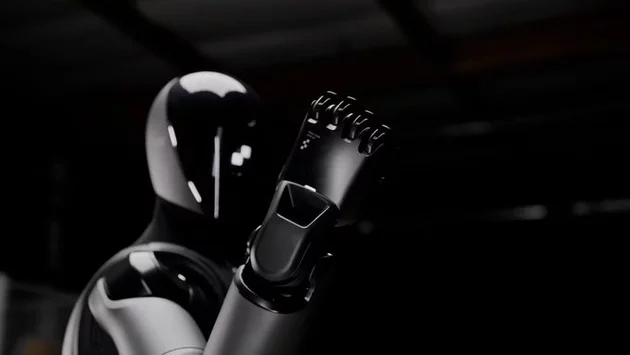
Recent events are raising urgent questions about how strong AI-powered humanoid robots really are. From shocking stunts to legal battles, experts and engineers alike are debating whether current safety standards are enough. Many tech enthusiasts are asking: Are these robots capable of causing real harm, or is the risk being exaggerated? Recent lawsuits and high-profile demonstrations suggest the answer may be more complicated than most assume.
Figure AI, a leading robotics company, is facing a lawsuit from former safety engineer Robert Gruendel. The complaint alleges that the company’s Figure 02 humanoid robot demonstrated enough force in testing to "fracture a human skull." Gruendel claims he was terminated after raising safety concerns, a claim the company disputes. A Figure spokesperson told CNBC that Gruendel was fired for "poor performance," denying any wrongdoing related to the robot’s strength.
Videos and internal tests suggest that humanoid robots may be far stronger than most people realize. Though demonstrations often appear controlled, safety experts warn that even brief miscalculations could have serious consequences. Engineers caution that the industry may be underestimating the potential hazards posed by these machines as they grow more autonomous and physically capable.
Concerns are not limited to the U.S. In China, Engine AI’s CEO was reportedly knocked down by the company’s T800 humanoid robot during a staged demonstration. While the CEO wore protective padding and the stunt was meant to be safe, footage leaves viewers questioning how much control humans truly have over these machines. Such incidents fuel ongoing debates about regulation and safety protocols.
Robotics companies argue that these demonstrations are controlled and that modern humanoid robots are designed with numerous safety features. Many emphasize that their machines are tested extensively before any public interaction, highlighting that incidents are rare. Still, lawsuits and viral videos contribute to public concern and growing scrutiny over the sector.
Experts in robotics safety argue that more stringent regulations are needed as humanoid robots become increasingly integrated into workplaces, entertainment, and public spaces. They advocate for standardized testing and independent monitoring to ensure that robots’ strength remains within safe limits. Without oversight, even minor miscalculations could pose serious risks to humans.
As humanoid robots advance, questions about their true strength and potential dangers are unlikely to fade. Lawsuits, demonstrations, and regulatory debates are shaping how companies approach safety design. Observers suggest that careful monitoring and transparency will be essential to balance innovation with public safety. Humanity may be on the cusp of a robotic revolution—but only if strong robots remain safely under control.










Comment