Alerts

-
5 minutes, 32 seconds
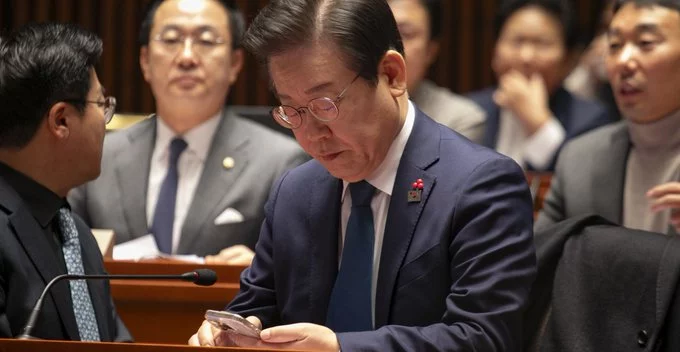
Quote-post diplomacy is rapidly becoming a defining feature of modern political communication, and the latest controversy involving South Korea’s president has raised global attention. Many people are searching what happened, why Israel reacted strongly, and whether social media posts can now influence real diplomatic relations. A recent quote-post shared on X by Lee Jae-myung has sparked backlash, ignited online debate, and prompted questions about the future of South Korean foreign policy in the digital age.
Quote-post diplomacy refers to the use of reposted commentary, clipped statements, and viral social media framing to signal political positions without formal diplomatic statements. In South Korea’s fast-moving digital landscape, leaders increasingly rely on platforms like X to shape narratives instantly. The president’s recent post, which quoted and reframed commentary on Israel, is being interpreted as a calculated but risky communication strategy. Supporters argue it reflects transparency and speed, while critics warn it bypasses traditional diplomatic channels.
The controversy intensified after the quote-post began circulating widely on social media, where it was interpreted by some observers as criticism of Israel’s ongoing geopolitical stance. Israeli officials and commentators reportedly expressed concern that the framing misrepresented diplomatic nuance and could influence public sentiment abroad. In response, discussions quickly escalated online, with users debating whether political leaders should engage in reinterpretation-style communication. The situation highlighted how quickly digital diplomacy can spiral into international tension.
Public reaction to the post has been sharply divided, with some users praising the immediacy of the communication style and others warning of its diplomatic risks. Hashtags related to the incident began trending, reflecting widespread curiosity and concern. Analysts note that quote-post diplomacy blurs the line between commentary and official state messaging. The debate has also raised questions about accountability in politically charged digital environments.
Experts are divided on whether quote-post diplomacy represents the future of South Korean foreign policy or a temporary experiment in digital statecraft. Some believe it allows leaders to communicate directly with global audiences in real time, bypassing traditional media filters. Others caution that such approaches risk misinterpretation and diplomatic fallout, especially in sensitive international conflicts. The ongoing debate suggests that governments will need to establish clearer guidelines for social media conduct in diplomacy.
Digital diplomacy is evolving faster than many governments can regulate, creating new risks for miscommunication and international misunderstanding. A single quote-post can now reach millions within minutes, often stripped of its original context. This accelerates both engagement and controversy, forcing diplomats to respond in real time rather than through measured channels. In the South Korean case, analysts suggest that speed-driven messaging may have amplified tensions unnecessarily while limiting opportunities for clarification.
Other countries are closely watching how quote-post diplomacy unfolds in South Korea, as similar communication styles are already emerging among global leaders. The approach reflects a broader shift toward personality-driven foreign policy conducted through social platforms. While this can enhance accessibility, it also introduces volatility into international relations. Experts warn that without clear norms, digital diplomacy could blur the line between personal opinion and official state position, leading to unintended diplomatic consequences across regions.
The debate over quote-post diplomacy underscores how quickly digital platforms are reshaping the boundaries of international communication. As political leaders increasingly adopt social media as diplomatic tools, the risks and rewards become more tightly intertwined. This shift challenges traditional diplomacy while opening new channels of public engagement across borders. Whether this evolution stabilizes or disrupts global relations will depend on how governments manage digital communication norms in the coming years. Ultimately, the rise of quote-post diplomacy signals a new era where messaging speed can redefine international political influence and diplomatic outcomes significantly today.










Comment