
-
3 minutes, 51 seconds
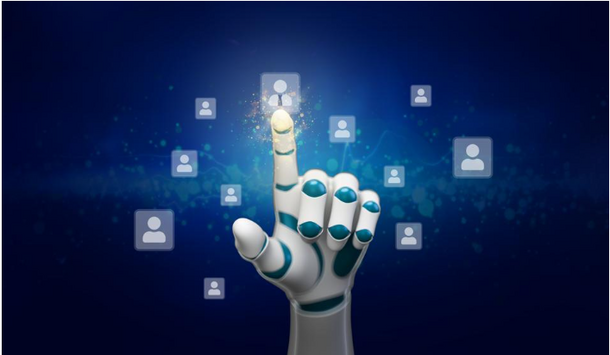
Artificial intelligence is quietly reshaping how decisions are made in the workplace—including who gets promoted. A recent Resume Builder survey revealed that 77% of managers use AI to inform promotion decisions, with over 20% letting AI make those decisions without human input. If you're aiming for a promotion at work with AI playing a key role, understanding how these systems operate is no longer optional—it’s essential.
Companies are embracing AI in the promotion process for speed, objectivity, and efficiency. As teams grow, human evaluations alone can’t scale. AI tools quickly sift through performance data, flagging top talent in minutes instead of months. Beyond speed, AI also reduces bias—focusing on measurable outputs rather than subjective opinions—offering a fairer path to promotion. Plus, HR departments benefit by cutting admin time and shifting focus to employee development and strategy.
AI doesn’t rely on gut feelings. Instead, it scans multiple data streams to assess whether you’re ready for the next level. These include:
Performance analytics like goal achievement, project success rates, or sales numbers.
Communication analysis such as email tone, meeting participation, and digital collaboration.
Skill gap evaluations based on completed trainings and competency alignment.
Predictive modeling that forecasts leadership potential based on your performance trends and adaptability.
Tools like ChatGPT, Microsoft Copilot, and Google Gemini are already being used—meaning your day-to-day digital footprint matters more than ever.
AI can be your ally—if you know how to work with it. Start by making your accomplishments "AI-visible." Keep dashboards and performance tools updated with measurable wins. Use AI to improve your reports, emails, and project summaries. Build a library of strategic prompts that help you write faster, think deeper, and showcase leadership. The more effectively you collaborate with AI, the more promotable you appear to both machines and humans.
AI is powerful, but not perfect. When systems are trained on flawed or biased data, they can replicate inequalities rather than fix them. Plus, a lack of transparency may leave employees unsure why decisions were made. That’s why experts urge companies to use AI ethically—ensuring human oversight, regular audits, and clear communication around how promotions are decided.
Getting a promotion at work with AI involved means being smart, visible, and strategic. By understanding how these tools operate and positioning yourself as both a skilled human and AI-savvy team member, you put yourself ahead. The future of promotions is here—and it rewards those who adapt.

7.8K articles

1.4K articles

34 articles

28 articles














Comment