Alerts

-
3 minutes, 49 seconds
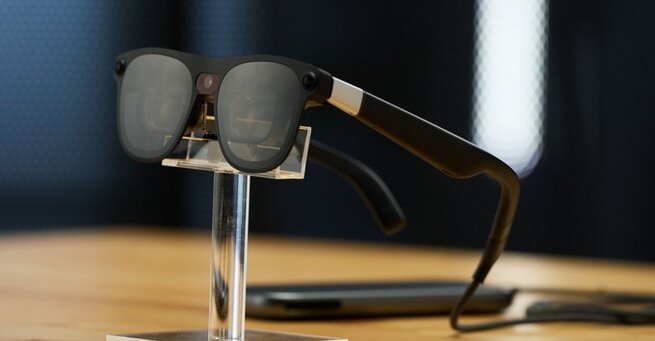
Google’s latest wearable, Project Aura, offers a first glimpse at a new era of wired XR glasses. Built in collaboration with Xreal, these glasses promise to merge the convenience of sunglasses with the immersive power of extended reality. Unlike bulky headsets, Project Aura is lightweight, corded, and designed to run Android apps directly in your line of sight. Expected to launch in 2026, it aims to redefine what “smart glasses” can do.
At first glance, Project Aura resembles chunky sunglasses. A cord extends from the left arm to a compact battery pack, doubling as a trackpad for gestures and controls. Google describes it as a “headset masquerading as glasses,” offering a more natural, wearable approach than typical VR headsets. The design balances portability and performance, letting users navigate AR apps without feeling encumbered.
One standout feature is Project Aura’s wireless connection to laptops. Users can create a sprawling virtual desktop within their space, complete with multiple app windows. In demos, Lightroom and YouTube ran simultaneously on a 70-degree field-of-view display. The glasses allow intuitive interaction, letting users pinch, zoom, and manipulate digital objects in real time.
Project Aura also integrates AI-powered tools for immersive exploration. In a demo, the glasses identified a painting on a wall via Google’s Circle to Search feature. Gemini AI instantly provided the artist and artwork details. This hands-free interaction showcases the device’s potential beyond gaming, extending into education, productivity, and home entertainment.
The glasses handle 3D gaming with surprising fluidity. Users can pinch and pull virtual game boards, zooming in on details without bulky controllers. Project Aura’s XR capabilities deliver a sense of spatial presence previously limited to heavier headsets like Vision Pro or Galaxy XR. Yet, the lightweight form factor keeps users comfortable during extended sessions.
Project Aura brings Android apps to an entirely new platform. From creative tools to streaming services, Google envisions glasses that fit seamlessly into daily routines. Running full-featured apps directly on the device enables productivity and entertainment in shared spaces, without being tethered to a desktop or heavy headset.
As Project Aura prepares for its 2026 release, Google’s vision for XR glasses is clear: merge style, mobility, and immersive computing. It’s a bold move in wearable tech, bridging the gap between smart glasses and full XR headsets. For tech enthusiasts, these glasses offer a first taste of what it means to bring Android apps to the real world, hands-free and fully interactive.










Comment