
Alerts
-
2 minutes, 48 seconds
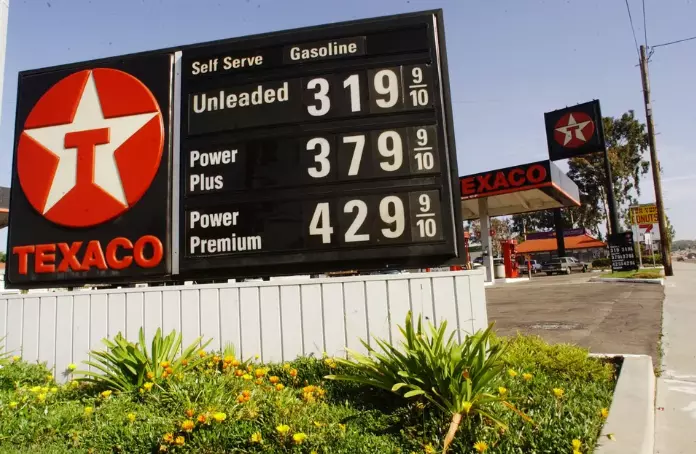
In November 2025, I wrote here about the affordability crisis and considered whether the unspoken part of that story was job quality. That argument reflects a lot of the current research about work and employment. But recently, I read a book that fills in another piece of the puzzle of the affordability crisis.
It’s Gouged: The End of a Fair Price—And What That Means for Your Wallet, by sociologist and public policy expert Lindsay Owens, and it documents the very real practice of price gouging. So price gouging is not simply a slogan or a complaint. Owens treats it as a documented set of business practices that shape what consumers actually pay.
Gouged documents several ways companies hike prices as far as possible, often through unsavory or hidden practices. One strategy is dynamic pricing, where algorithms adjust prices based on time of day, anticipated consumer demand, or even the weather.
Another involves locking customers into subscription-based products, with fees buried in fine print that makes the terms easy to miss. Customers believe they are signing on for one item, but find themselves locked into a paid subscription, with exit and cancellation routes nearly impossible to find.
A third path includes prohibitions that prevent consumers from fixing broken products themselves, requiring them instead to purchase additional tools and materials from licensed providers. This drives up costs associated with everything from phones to cars. Together, these strategies offer companies ways to maximize profits by using deceptive and invisible tactics to adjust pricing.
Today’s price gouging doesn’t treat everyone the same. Companies harvest enormous amounts of data on consumers’ buying history, preferences, and lifestyles, and this information can be used to replicate and maintain persistent racial and gender inequalities.
Consider zip codes. When companies use them to set car insurance, ride share pricing, and home rentals, Black consumers tend to pay more for the same services. Gouged also shows that companies set prices higher when they know patrons have limited nearby options for comparison shopping.
That practice might look colorblind on its face, but it isn’t. Pervasive, longstanding patterns of residential segregation concentrate Black neighborhoods away from certain brick and mortar retailers. Gouging prices in that context reinforces racial disparities in who pays what—and ultimately in whose economic outcomes look rosier.
Gouging does not stop at the checkout. Gouged documents that companies engage in dynamic payments to workers as well, a practice referred to as “algorithmic wage discrimination.” In this model, workers may have to use an app to bid for shifts, with those willing to work for the lowest amounts given the hours.
As with residential segregation, in an economy where workers of color are already disproportionately present in shaky, low-wage jobs with less security, models that force them to bid down for shifts can have the unintended effect of hitting them the hardest.
Meanwhile, the era of the “price tag,” where prices were clearly advertised and consumers could expect that everyone everywhere paid a predetermined price for goods and services, is rapidly disappearing. In an era where low paying jobs proliferate and work is increasingly insecure, these factors together worsen the affordability crisis.










Comment