
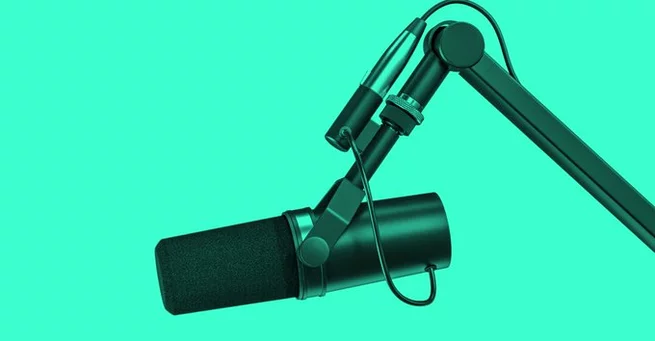
Search for “what is a podcast in 2025” and you’ll find an uncomfortable truth: the definition no longer fits reality. Once tied to audio-first storytelling, podcasts are now overwhelmingly video-led, platform-native, and visually driven. Scroll through YouTube, Spotify, or TikTok, and “podcasts” look identical to talk shows, interviews, and commentary clips. This shift has blurred the line so much that audiences often don’t know what qualifies as a podcast anymore. What began as a downloadable audio format has quietly evolved into something closer to digital television. That evolution is why many creators and platforms are rethinking the term itself. The question now isn’t how podcasts are changing, but whether the word still serves a purpose at all.
Podcast video is no longer optional—it’s the default. Nearly every top-charting show now records full video episodes, optimized for YouTube discovery and social clips. Platforms reward faces, reactions, and visual engagement far more than static audio feeds. As a result, creators design shows with cameras in mind, often prioritizing visuals over sound quality or narrative depth. This transformation makes podcasts indistinguishable from late-night interviews or panel discussions. Even legacy TV formats now outperform traditional podcasts under the same label. When everything is filmed, clipped, and algorithmically boosted, the original meaning of podcasting fades fast.
Open YouTube’s Podcast tab and you’ll rarely find classic audio storytelling. Instead, viewers see celebrity interviews, political commentary, food reviews, and news analysis. These shows don’t behave like podcasts—they behave like digital TV segments. Spotify charts also reflect this shift, ranking video-heavy productions alongside legacy audio shows. Platforms no longer separate content by format, only by engagement. That structural change reinforces the idea that “podcast” has become a catch-all label rather than a clear category. When distribution systems stop caring about definitions, language quickly follows.
This isn’t the first time the internet has outgrown its own terminology. “Web series” once felt essential, until streaming made it irrelevant. The same pattern is unfolding with podcasts. What was once a novel, scrappy medium is now mainstream, commercial, and visually driven. As formats mature, their original names often feel outdated or even awkward. Younger audiences don’t differentiate between a podcast episode and a YouTube show—they just see content. That generational shift accelerates the decline of old labels. Podcast may soon sound like a relic of early internet culture.
Behind the scenes, creators have already moved on. Production teams now mirror television workflows, complete with set design, lighting, and multi-camera setups. Episodes are structured for clips, thumbnails, and retention metrics rather than pure listening. Advertising models also reflect this change, with brands paying for visual placements and on-screen integrations. Creators may still call their work a podcast, but operationally, it’s something else entirely. The language lags behind the reality. And that gap grows wider each year.
From an audience perspective, the label matters less than accessibility. Viewers want content that fits their habits—watchable at work, scrollable on phones, or playable in the background. Video podcasts meet all three needs, which explains their explosive growth. Few users stop to ask whether a show qualifies as a “real” podcast. They click what the algorithm serves and move on. As consumption becomes more fluid, rigid definitions lose relevance. The word podcast struggles because audience behavior has already outpaced it.
Rather than inventing a new buzzword, the industry may quietly adopt older, simpler language. Terms like “show,” “series,” or “creator-led program” already feel more accurate. These labels describe what audiences actually experience without tying content to a single medium. Audio-first podcasts will still exist, but they may become a niche rather than the norm. When that happens, podcast stops being a category and becomes a historical reference. Not dead—just no longer central.
The fading meaning of podcast reflects a larger transformation in digital media. Boundaries between audio, video, and television are collapsing under platform algorithms and creator economics. Content is no longer defined by how it’s made, but by how it’s consumed and monetized. Podcasting didn’t fail—it succeeded so completely that it outgrew its name. As 2026 approaches, retiring the word may feel less like loss and more like accuracy. Sometimes, language has to step aside to let culture move forward.

𝗦𝗲𝗺𝗮𝘀𝗼𝗰𝗶𝗮𝗹 𝗶𝘀 𝘄𝗵𝗲𝗿𝗲 𝗽𝗲𝗼𝗽𝗹𝗲 𝗰𝗼𝗻𝗻𝗲𝗰𝘁, 𝗴𝗿𝗼𝘄, 𝗮𝗻𝗱 𝗳𝗶𝗻𝗱 𝗼𝗽𝗽𝗼𝗿𝘁𝘂𝗻𝗶𝘁𝗶𝗲𝘀.
From jobs and gigs to communities, events, and real conversations — we bring people and ideas together in one simple, meaningful space.




Comments