
Alerts
Sep 22 -
8 minutes, 6 seconds
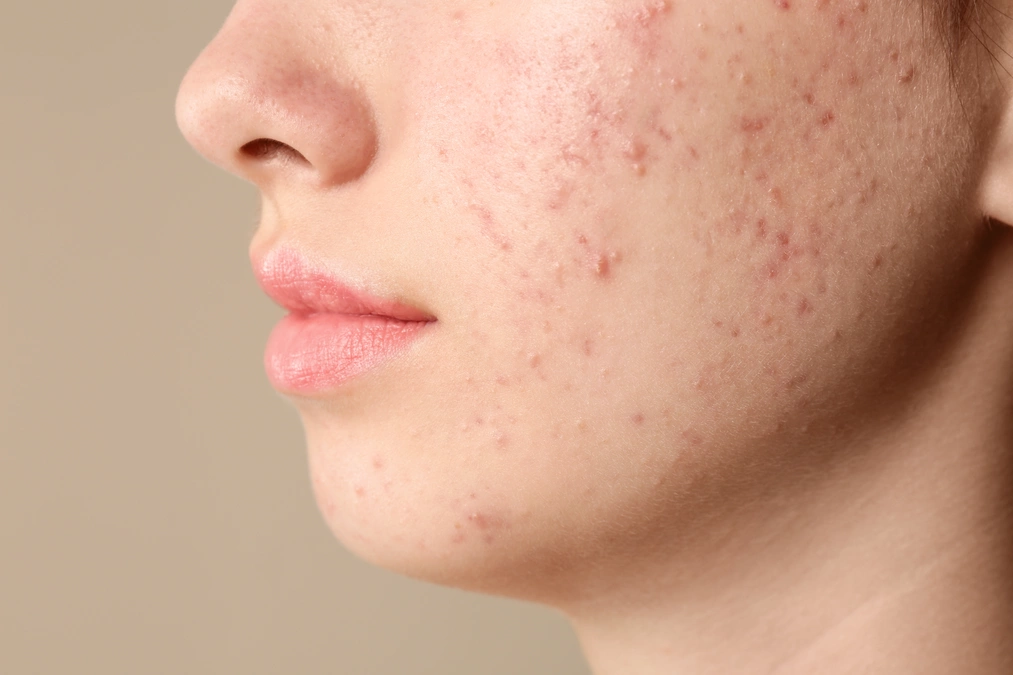
Pimples Treatment in Dubai is a personalized approach to controlling active breakouts, clogged pores, inflammation and recurring acne while protecting the skin barrier. The right treatment plan targets the underlying cause of pimples rather than repeatedly treating individual spots, helping improve skin clarity and reduce the risk of persistent marks.
Dubai's climate creates a distinct environment for acne-prone skin. High temperatures, outdoor dust, perspiration and prolonged exposure to air-conditioned environments can alter the skin barrier and contribute to congestion, irritation and excessive oiliness.
For patients whose breakouts repeatedly return despite conventional skincare, professional assessment can identify whether the dominant problem is excess sebum, follicular blockage, inflammatory acne, hormonal influence, post-inflammatory pigmentation or a combination of factors.
Pimples form when the pilosebaceous unit becomes congested with sebum, keratin and cellular debris. When Cutibacterium acnes proliferates within an obstructed follicle and inflammatory signaling increases, the lesion can progress from a closed comedone into an inflamed papule, pustule or deeper acne lesion.
A professional consultation should distinguish between different acne patterns before treatment is selected.
The assessment may consider:
This distinction matters because aggressive exfoliation may be inappropriate for already irritated skin, while treating only surface oiliness may not address persistent inflammatory acne.
Healthy acne management is not simply about removing oil. The epidermal barrier needs to remain sufficiently resilient to tolerate appropriate active ingredients and environmental exposure.
Dubai's air-conditioned interiors can feel comfortable while continuously exposing the skin to low-humidity indoor air. Combined with heat and perspiration outdoors, this transition can make some patients alternate between dehydration, oiliness and irritation.
A carefully selected regimen therefore balances pore control with barrier support.
The same treatment strategy does not work equally well for every type of breakout. Clinical planning should account for lesion morphology, severity, distribution and the patient's previous response to treatment.
| Acne Pattern | Typical Skin Finding | Treatment Consideration |
|---|---|---|
| Comedonal acne | Blackheads and whiteheads | Focus on follicular congestion and controlled exfoliation |
| Inflammatory acne | Red papules and pustules | Reduce inflammation while controlling new lesions |
| Oily acne-prone skin | Persistent shine and congestion | Manage sebum without excessively stripping the barrier |
| Adult acne | Lower-face or recurring breakouts | Assess hormonal and lifestyle-related factors |
| Acne with pigmentation | Dark marks after pimples | Control active acne while addressing post-inflammatory pigmentation |
| Recurrent acne | Breakouts returning in the same areas | Identify triggers and establish a maintenance strategy |
| Sensitive acne-prone skin | Redness, irritation and congestion | Use a barrier-conscious approach with carefully selected treatments |
Comedones develop when follicular openings become blocked. Small flesh-colored bumps, whiteheads and blackheads can appear across the forehead, cheeks, nose and chin.
Treatment may involve carefully controlled exfoliation and professional skin procedures designed to improve the removal of accumulated keratin and surface debris without unnecessarily damaging the epidermal barrier.
Inflammatory pimples require a different approach. Excessive squeezing, abrasive scrubs or repeated mechanical manipulation can increase inflammation and raise the likelihood of post-inflammatory marks.
Clinical treatment focuses on reducing the inflammatory cycle while minimizing additional trauma to the affected skin.
Adult acne can behave differently from teenage acne. Some patients experience recurring lesions around the lower face, jawline or chin, while others develop intermittent inflammatory lesions despite having relatively dry skin elsewhere.
A detailed history can help identify contributing factors before treatment is selected.
Effective acne management has to work alongside the patient's routine rather than requiring unrealistic changes to everyday life.
Someone who spends considerable time outdoors may need a different strategy from someone who works primarily in an air-conditioned office. Exercise, frequent sweating, cosmetic use, shaving, travel and occupational exposure can all influence breakout patterns.
Patients considering professional acne care can evaluate their routine through several practical questions:
A treatment plan becomes more effective when these patterns are considered rather than treating every breakout as an isolated problem.
A common patient-reported concern is having clear skin for several days before suddenly developing multiple pimples around the chin and cheeks. Patients often describe frustration because they have already changed cleansers, moisturizers and spot treatments without achieving consistent control.
This pattern can indicate that the underlying acne cycle has not been adequately addressed.
Another frequently reported concern is the combination of active pimples and lingering brown or reddish marks. The original breakout may disappear relatively quickly, but the discoloration remains for weeks or months, making the skin appear persistently uneven.
This is why acne management should also consider acne scar prevention and post-inflammatory pigmentation from the beginning.
Some patients describe a cycle of oily skin followed by tightness after cleansing. They may respond by washing more frequently or using stronger products, only to experience increased sensitivity and renewed congestion.
This can make barrier-conscious acne management particularly important.
Professional acne care should not rely on a single universal procedure. The treatment pathway can be adjusted according to the condition of the skin at the time of assessment.
Appropriately selected exfoliating treatments can help address accumulated dead skin cells and follicular congestion. The strength and frequency should be adapted to the patient's tolerance, active inflammation and barrier condition.
Over-treatment can produce excessive dryness and irritation, particularly in patients who are already using active skincare ingredients.
When clinically appropriate, controlled extraction can address selected comedones. The technique matters because excessive pressure or repeated manipulation can cause unnecessary tissue trauma.
Deep, painful lesions should not be treated as routine extraction targets.
A structured home-care routine can support professional treatment by controlling oil, maintaining appropriate exfoliation and protecting the skin barrier.
Depending on the patient's condition, clinicians may consider ingredients commonly used in acne management, such as salicylic acid, retinoid-based products, azelaic acid or other targeted formulations. The suitability of each ingredient depends on individual skin characteristics and medical history.
Preventing new inflammatory lesions is one of the most effective ways to reduce the ongoing accumulation of acne marks.
For patients who already have pigmentation or textural changes, treatment planning may require a separate stage after active acne becomes adequately controlled.
Dubai's environmental conditions can influence how acne-prone skin behaves throughout the year.
High temperatures increase sweating and can create a humid microenvironment around the skin surface. When combined with sebum, cosmetics, sunscreen and environmental particles, this may contribute to follicular congestion in susceptible individuals.
The answer is not necessarily aggressive cleansing. Excessive cleansing can compromise the barrier and increase irritation.
Long periods in air-conditioned environments can leave some patients experiencing surface dehydration even when their skin remains oily.
This is one reason why oily skin should not automatically be treated as skin that needs constant stripping.
Outdoor activity adds heat, perspiration and environmental exposure. Patients undergoing acne treatment should maintain appropriate sun protection because ultraviolet exposure can worsen the appearance of post-inflammatory pigmentation.
Treatment timelines depend on the severity and type of acne, the chosen approach and how consistently the patient follows the recommended routine.
The initial stage generally focuses on understanding the acne pattern and reducing factors that repeatedly trigger congestion or inflammation.
Once new lesions become more controlled, the emphasis can shift toward maintaining clearer skin and minimizing recurrent inflammation.
Acne-prone skin often benefits from ongoing maintenance rather than stopping all care immediately after visible improvement. The objective is to prevent repeated follicular congestion and manage early signs of recurrence.
Patients should also avoid judging treatment solely by the appearance of a single pimple. Acne is a recurring inflammatory condition, so meaningful improvement is better assessed over a longer period.
Certain acne patterns warrant professional evaluation rather than continued experimentation with cosmetic products.
Seek clinical assessment when pimples are:
Deep inflammatory acne is particularly important to address early because prolonged inflammation can damage deeper skin structures and increase the risk of permanent scarring.
Clearer skin is not achieved simply by removing today's pimples; the larger objective is to control the biological processes that repeatedly create new lesions while protecting the skin from unnecessary irritation. A personalized Pimples Treatment in Dubai plan can therefore combine professional procedures, appropriate skincare and long-term maintenance according to the patient's acne pattern, skin barrier and lifestyle.
For patients seeking a structured approach within a professional aesthetic environment, Tajmeels Clinic provides a broader medical-aesthetic setting where acne concerns can be assessed alongside the overall condition of the skin.
Pimples Treatment in Dubai Pimples Treatment Pimples in Dubai Pimples Treatment Cost in Dubai Tajmeels Clinic


Necessary cookies keep Semasocial working. You can choose whether to allow optional cookies for analytics and other services described in our privacy policy.





Comment