Alerts

-
22 minutes, 16 seconds
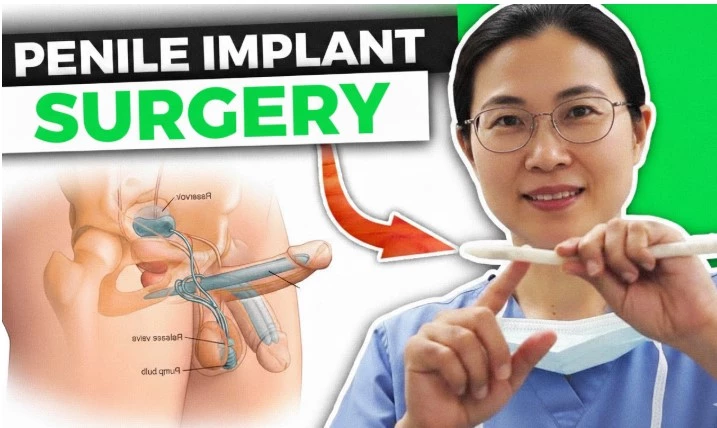
Penile implants, also known as penile prostheses, are medical devices surgically placed inside the penis to help men achieve an erection suitable for sexual intercourse. They are primarily used to treat erectile dysfunction (ED) when medications, lifestyle changes, injections, vacuum erection devices, or other treatments have not provided satisfactory results.
Erectile dysfunction can affect men of different ages and may be associated with diabetes, cardiovascular disease, nerve damage, hormonal disorders, pelvic surgery, or psychological factors. For men with persistent ED, a penile implant can provide a reliable, long-term treatment option and may improve sexual confidence, intimacy, and overall quality of life.
Although penile implant surgery is an established treatment for selected patients, it is important to understand the available implant types, how the procedure works, its benefits and limitations, possible complications, recovery expectations, and long-term outcomes before making a decision.
This comprehensive guide explains everything men should know about penile implants, including candidacy, costs, preparation, aftercare, and frequently asked questions.
A penile implant is a surgically inserted medical device designed to help a man achieve penile rigidity for sexual activity. The device is placed inside the penis by a qualified urologist, usually through a small surgical incision.
Unlike erectile dysfunction medications, which help the body's natural erectile mechanisms work more effectively, a penile implant provides a mechanical way to create penile firmness. Depending on the device selected, the penis can be made firm when needed and returned to a more relaxed state afterward.
Penile implants do not increase sexual desire, directly treat premature ejaculation, or guarantee orgasm. They are intended primarily to address the physical difficulty of achieving or maintaining sufficient penile rigidity.
Modern penile prostheses are designed to be discreet. Most of the device is concealed inside the body, and the implant generally does not change the external appearance of the penis when it is not being used.
Penile implants are generally considered for men who experience persistent erectile dysfunction and have not achieved satisfactory results with less invasive treatments.
A urologist may discuss penile implant surgery with men who have the following conditions:
Men who consistently struggle to achieve or maintain an erection firm enough for sexual intercourse may be candidates for a penile implant, particularly when standard treatments have failed or are unsuitable.
Diabetes can damage blood vessels and nerves involved in erections. Some men with diabetes develop ED that does not respond adequately to oral medications or other treatments. An implant may be considered after an individualized medical assessment.
Some men develop significant ED following prostate cancer surgery or other pelvic procedures because of damage to the nerves or blood vessels responsible for erections. A penile implant may be an option when erectile function does not recover sufficiently.
Neurological conditions, spinal cord injuries, and certain nerve disorders can interfere with the signals required for an erection. Selected patients with these conditions may benefit from a penile prosthesis.
Peyronie's disease causes scar tissue to form inside the penis, potentially resulting in curvature, pain, shortening, or difficulty with intercourse. When severe curvature occurs alongside ED, implant surgery may sometimes be combined with additional procedures to improve penile straightness.
Some men experience side effects from erectile dysfunction medications, cannot use them safely because of other medications or medical conditions, or find injections and vacuum devices unacceptable or ineffective. A penile implant may offer an alternative.
Important: A penile implant is not usually the first treatment offered for ED. The decision depends on the severity and cause of the condition, previous treatments, overall health, personal preferences, and the potential benefits and risks of surgery.
There are two main categories of penile implants: inflatable implants and malleable implants. Both are placed surgically, but they function differently.
An inflatable penile implant uses fluid-filled cylinders to create an erection-like state. Depending on the model, the system includes cylinders placed inside the penis, a pump located in the scrotum, and a fluid reservoir.
When the man wants an erection, he operates the pump to transfer fluid into the cylinders. This makes the penis firm enough for sexual intercourse. After sexual activity, the device is deflated using its release mechanism, allowing the penis to become softer.
Inflatable implants are available in different configurations.
Three-piece inflatable implant
A three-piece implant generally includes:
Two inflatable cylinders inside the penis.
A fluid reservoir placed inside the pelvis or abdomen.
A pump and release mechanism inside the scrotum.
The three-piece design typically provides a more natural difference between the firm and relaxed states. It is often selected by men who want greater control over rigidity and concealment when the penis is not erect.
Two-piece inflatable implant
A two-piece implant combines the pump and fluid reservoir into a smaller system. It may be suitable for selected patients when the anatomy or medical history makes a conventional three-piece implant less appropriate.
The most suitable configuration depends on the patient's anatomy, surgical history, health, and the surgeon's assessment.
A malleable implant, sometimes called a semi-rigid penile prosthesis, consists of two flexible rods placed inside the penis.
The rods provide consistent firmness. The man manually positions the penis upward for sexual activity and downward or to the side for concealment when not in use.
Advantages of malleable implants include:
A relatively simple mechanical design.
No fluid reservoir or pump.
Fewer mechanical components that can malfunction.
Straightforward operation for many patients.
Potential suitability for men with limited hand dexterity.
However, the penis remains relatively firm at all times, which may make concealment less natural than with an inflatable implant.
| Feature | Inflatable implant | Malleable implant |
|---|---|---|
| How it works | Pump activates fluid-filled cylinders | Penis is manually positioned |
| Firmness control | Can be inflated and deflated | Consistent firmness |
| Appearance when relaxed | Generally softer when deflated | Remains relatively firm |
| Mechanical complexity | More components | Simpler design |
| Hand dexterity | Requires pump operation | Requires manual positioning |
| Main consideration | More complex device and potential mechanical failure | Concealment may be less natural |
Neither option is universally best. The appropriate choice should be made after discussing expected outcomes, lifestyle, dexterity, anatomy, costs, and the surgeon's experience.
A penile implant provides rigidity through a mechanical process rather than relying entirely on the natural blood-flow mechanisms involved in an erection.
With an inflatable implant, the patient uses a concealed pump to transfer fluid into cylinders inside the penis. The cylinders expand and become firm, providing support for penetration. Once sexual activity is complete, the patient activates the deflation mechanism to return the device to its relaxed state.
With a malleable implant, the rods remain firm, and the patient manually adjusts the penis into a suitable position.
The implant does not normally interfere with urination, and it is designed to remain inside the body during everyday activities. However, the patient must follow the surgeon's instructions regarding activation, positioning, and postoperative care.
For appropriately selected patients, penile implant surgery can provide several important benefits.
A penile implant can provide a dependable way to achieve the firmness required for intercourse, even when medications or other treatments have not worked.
Inflatable implants allow the user to activate the device when desired and deflate it afterward. This can reduce the uncertainty associated with unpredictable erections.
A penile prosthesis is intended to provide long-term support for erectile function. Many devices remain functional for years, although mechanical failure, infection, or other complications can require revision or replacement surgery.
Men who experience ongoing ED may develop anxiety about sexual performance or avoid intimacy. A successful implant may help reduce concerns related to erection reliability.
When ED causes stress or difficulties in a relationship, effective treatment may support intimacy and communication. Results vary, and satisfaction is influenced by expectations, partner involvement, comfort, and other aspects of sexual health.
A penile implant does not require the patient to take an erectile dysfunction pill before every sexual encounter. However, it does require appropriate operation, and inflatable models must be activated when needed.
For men with severe ED that does not respond to less invasive treatments, an implant can offer a practical alternative after careful medical evaluation.
A penile implant is designed to restore rigidity, not to enlarge the penis.
Some men feel that their penis looks shorter after surgery. This may relate to the underlying ED, changes in erectile tissue, scarring, Peyronie's disease, or differences between natural erections before and after treatment. The implant itself does not guarantee an increase in length, girth, or overall size.
Before surgery, the urologist should discuss realistic expectations regarding penile length, appearance, sensation, and rigidity. Measurements and an examination can help patients understand the likely outcome.
Men considering an implant primarily for enlargement rather than medically significant erectile dysfunction should seek specialist advice before proceeding.
Penile implant surgery is usually performed by a urologist with experience in prosthetic and reconstructive surgery. The exact technique depends on the device, the patient's anatomy, and the surgeon's approach.
The process begins with a detailed assessment of erectile dysfunction, medical history, current medications, previous treatments, and treatment goals.
The urologist may assess diabetes control, cardiovascular health, urinary symptoms, prior pelvic surgery, penile curvature, and other factors that could affect surgical safety or outcomes.
The surgeon explains the available implant types and discusses their advantages, limitations, expected results, and costs.
The decision should consider manual dexterity, ability to operate a pump, previous abdominal or pelvic operations, personal preferences, and the likelihood of future revision surgery.
Before surgery, the medical team may arrange blood tests, urine testing when indicated, and other investigations based on the patient's health.
Patients receive instructions about fasting, medication adjustments, hygiene, and transportation after the procedure. Blood-thinning medicines and diabetes treatments should only be changed according to the treating clinician's instructions.
The operation is usually performed under general or spinal anesthesia, depending on the patient's medical needs and the anesthetic team's recommendation.
The surgeon makes an incision at an appropriate location, such as near the base of the penis or in the area between the penis and scrotum. The erectile chambers are carefully prepared, and the implant components are positioned inside the penis.
For an inflatable implant, the surgeon also places the pump and reservoir. For a malleable implant, flexible rods are inserted into the erectile chambers.
The device is checked to confirm its positioning and function before the incision is closed.
After surgery, the patient is monitored while recovering from anesthesia. Pain control, wound care, mobility, and the ability to urinate are assessed as appropriate.
Some patients go home the same day, while others may require an overnight stay depending on their condition and the surgical team's protocol.
Follow-up visits allow the surgeon to inspect the incision, assess healing, manage discomfort, and explain how to operate the device.
Inflatable implants are commonly activated for patient training after sufficient healing, often around four to six weeks after surgery, although the timing varies. Sexual activity should not resume until the surgeon confirms that it is safe.
The operation itself should not be painful because anesthesia is used. After surgery, patients commonly experience soreness, swelling, bruising, and discomfort around the penis or scrotum.
These symptoms generally improve over the following days and weeks. The intensity and duration of discomfort depend on the surgical technique, implant type, individual healing, and pain-management plan.
The surgeon may prescribe pain medication and recommend supportive garments, cold packs used according to medical instructions, and temporary activity restrictions.
Severe or worsening pain, fever, spreading redness, unusual discharge, or sudden swelling should be reported promptly because these symptoms may indicate a complication.
Recovery is an important part of achieving a satisfactory outcome. Following the surgeon's instructions helps protect the surgical site and reduce the risk of complications.
Patients may experience swelling, bruising, tenderness, and limited mobility. Rest is important, and medication should be taken as prescribed.
Patients should follow specific instructions about showering, wound care, and dressing changes. They should avoid strenuous activity and should not manipulate or activate the implant unless instructed.
Discomfort usually begins to improve, although swelling and bruising may persist.
Light walking may be encouraged, but heavy lifting, strenuous exercise, cycling, and activities that place pressure on the surgical area should be avoided until cleared by the surgeon.
Healing continues, and the patient gradually returns to normal daily activities as advised by the medical team.
At follow-up, the surgeon may demonstrate how to inflate and deflate an inflatable device or explain how to position a malleable implant.
Many patients are advised to wait approximately four to six weeks before resuming sexual intercourse, but the appropriate timeline depends on healing, the implant, and the surgeon's instructions.
Patients should not begin sexual activity simply because pain has improved. The incision must heal adequately, and the surgeon should confirm that the device can be used safely.
Although penile implant surgery has high satisfaction rates in appropriately selected patients, it carries risks like any surgical procedure.
Infection is one of the most important complications because the implant is a foreign device placed inside the body. Symptoms may include fever, increasing pain, redness, swelling, drainage, or wound separation.
A significant implant infection may require antibiotics and, in some cases, removal or replacement of the device.
Bleeding, bruising, and swelling may occur after surgery. Severe bleeding is less common but may require medical evaluation.
Inflatable implants contain mechanical components that can wear out or malfunction. A device may eventually stop inflating or deflating properly and require revision or replacement.
Malleable implants have fewer moving parts but can still develop problems, including structural damage or erosion.
Some patients experience pain during the recovery period. Persistent or worsening discomfort should be assessed to determine whether it is related to healing, device positioning, infection, or another problem.
A penile implant generally does not directly remove sexual sensation, but surgery may affect sensation in some patients. The individual outcome depends on anatomy, existing conditions, and surgical factors.
In uncommon cases, the device may erode into surrounding tissue or cause skin or urethral injury. This requires prompt specialist evaluation.
Potential risks include blood clots, reactions to anesthesia, and complications associated with other medical conditions.
Some patients may be disappointed by penile length, perceived girth, concealment, firmness, or other aspects of the outcome. Careful counseling before surgery is essential.
A thorough preoperative evaluation, appropriate surgical technique, infection-prevention measures, and regular follow-up can help reduce risks, but no procedure is entirely risk-free.
A penile implant may not be appropriate for every patient. The surgeon may recommend postponing surgery or considering alternative treatment when there is:
An active infection, including an untreated urinary or genital infection.
Poorly controlled medical conditions that increase surgical risk.
Significant health problems that make anesthesia or surgery unsafe.
Unrealistic expectations about penile enlargement, sensation, or sexual performance.
Inability to understand or operate the chosen device without an appropriate support plan.
A previous pelvic operation, diabetes, or another chronic condition does not automatically rule out implant surgery. These factors require individualized assessment and planning.
A penile implant is intended to provide the rigidity required for sexual intercourse. However, sexual performance involves more than the firmness of the penis.
The implant does not directly increase libido. Low sexual desire may be associated with hormonal changes, medications, depression, relationship difficulties, or other medical conditions that need separate evaluation.
Many men can continue to experience orgasm and ejaculation after implant surgery if these functions were present before the procedure. However, the implant does not restore these functions when they are impaired for other reasons.
Some men may have changes in ejaculation due to prostate surgery, medications, nerve injury, or other conditions unrelated to the implant itself.
The implant is placed inside the penis and is designed to restore rigidity rather than sensation. Many men retain their existing sensation, but individual outcomes vary.
Partner satisfaction may improve when the implant helps restore reliable sexual activity. Open communication, appropriate expectations, and attention to other sexual concerns can contribute to a better overall experience.
Several treatments are available for ED, and each has a different role.
| Treatment | How it works | Important consideration |
|---|---|---|
| Oral ED medication | Improves the body's natural erectile response | Requires appropriate sexual stimulation and medical suitability |
| Vacuum erection device | Uses negative pressure to draw blood into the penis | May require a constriction ring and can feel less natural |
| Penile injections | Medication directly stimulates an erection | Requires training and carries risks such as prolonged erection |
| Psychosexual counseling | Addresses psychological, emotional, or relationship factors | May be particularly useful when these factors contribute to ED |
| Penile implant | Surgically provides mechanical rigidity | Requires surgery and carries risks of infection and device failure |
The best treatment depends on the cause and severity of ED, overall health, preferences, previous treatment results, and the patient's priorities.
Men taking nitrate medications for chest pain must not use PDE5 inhibitor medicines such as sildenafil without specialist guidance because the combination can cause a dangerous drop in blood pressure.
The cost of penile implant surgery varies considerably depending on the country, hospital, implant manufacturer, device type, surgeon's fees, anesthesia, and postoperative care.
The overall expense may include:
The implant device itself.
The surgeon's professional fee.
Hospital and operating-room charges.
Anesthesia.
Preoperative investigations.
Medicines and postoperative appointments.
Treatment of complications or future revision surgery, if needed.
Inflatable implants are often more expensive than malleable implants because they contain more complex components.
In Pakistan, the price of penile implant surgery can differ between cities and healthcare facilities. The cost in Lahore, Multan, Karachi, Islamabad, and other locations may vary according to the implant brand, the surgeon's experience, hospital facilities, and the services included in the package.
Patients should request a detailed written estimate rather than relying on a single advertised price. They should also ask whether the quoted fee includes the device, hospitalization, follow-up visits, medications, and management of potential complications.
When comparing providers, surgical experience, infection-prevention standards, appropriate patient selection, and follow-up arrangements are at least as important as price.
A penile implant is designed for long-term use, but it is not guaranteed to last for life.
Many implants remain functional for years. Their lifespan depends on the device type, frequency of use, manufacturing factors, individual anatomy, and other circumstances.
Inflatable implants may eventually develop leaks, pump problems, or other mechanical failures. Malleable devices can also require replacement or revision if they become damaged or cause complications.
Patients should understand that replacing an implant usually involves another operation. Regular follow-up and prompt evaluation of new symptoms or device malfunction can help address problems early.
A penile implant is designed to remain concealed inside the body. With an inflatable implant, the penis is generally softer when the device is deflated and firmer when it is inflated.
A malleable implant remains relatively firm, which can make concealment more challenging for some men.
The external appearance depends on the implant type, the patient's anatomy, any existing curvature or scarring, and the surgical result. Although many patients are satisfied with the appearance, a penile implant does not necessarily reproduce every feature of a natural erection.
A consultation should include a discussion of appearance, concealment, penile length, and realistic expectations.
Selecting an experienced urologist is an important step in the treatment process. Penile prosthesis surgery requires specialized knowledge of penile anatomy, device selection, surgical technique, and the management of complications.
Before choosing a surgeon, patients should consider the following:
Specialist qualifications: Confirm that the doctor is a qualified urologist with relevant training and experience.
Experience with penile prostheses: Ask how frequently the surgeon performs implant procedures and whether they are experienced with the proposed device.
Device options: Discuss the availability and suitability of inflatable and malleable implants.
Infection prevention: Ask about the facility's infection-control protocols and measures used to reduce surgical risks.
Transparent pricing: Request a detailed estimate covering the procedure and expected follow-up.
Aftercare: Confirm who will provide postoperative support, device training, and long-term follow-up.
Realistic counseling: A trustworthy surgeon should explain potential complications, limitations, and alternatives rather than promise guaranteed results.
Patients should feel comfortable asking questions and seeking a second opinion before undergoing an irreversible surgical procedure.
Men exploring erectile dysfunction treatment at Dot Clinics in Lahore or Multan, Pakistan, should begin with a professional medical consultation to understand the cause of their symptoms and identify suitable treatment options.
A comprehensive ED assessment may include a review of medical history, current medications, cardiovascular risk factors, diabetes status, hormonal concerns when indicated, and previous treatment attempts.
Patients interested in a penile implant should ask the treating clinician whether this procedure is offered at the relevant location or whether referral to an appropriately qualified urologist or prosthetic surgery center is necessary. The availability of a specific implant, surgeon, and surgical facility should be confirmed directly rather than assumed.
Treatment recommendations should be individualized. Depending on the findings, a patient may benefit from medication, lifestyle changes, psychological support, other ED therapies, or referral for penile prosthesis surgery.
Men should seek a clear explanation of expected results, risks, costs, and follow-up arrangements before making a decision.
A penile implant is a long-term treatment that can provide reliable rigidity for sexual intercourse. However, the device may eventually malfunction or develop complications, and replacement surgery may be necessary.
Yes, many men with diabetes can be candidates. However, blood sugar control, infection risk, cardiovascular health, and other medical factors should be assessed before surgery.
No. The primary purpose is to restore rigidity, not increase penile length or girth. Patients should discuss realistic expectations about size and appearance before surgery.
The implant is designed to treat erectile dysfunction and generally does not interfere with normal urination. Temporary urinary difficulties can occur after surgery, and new or persistent symptoms should be evaluated.
Many men retain their existing sensation because the implant is designed to provide rigidity rather than directly alter sensation. However, individual results vary, and surgery cannot guarantee that sensation will remain unchanged.
Many men can continue to ejaculate if they were able to do so before surgery. An implant does not directly restore ejaculation when it has been impaired by prostate surgery, medication, nerve damage, or another condition.
Many patients are advised to wait approximately four to six weeks, but the exact timing depends on healing and the surgeon's instructions. Sexual activity should resume only after medical clearance.
Penile implant surgery is an established procedure, but it carries risks, including infection, bleeding, pain, erosion, and mechanical failure. A qualified surgeon can explain the individual risk profile and ways to reduce complications.
Yes. An implant can be removed or replaced when medically necessary. However, removal or revision requires surgery, and removal without replacement may leave scar tissue and make future reconstruction more difficult.
Neither is best for everyone. Inflatable devices offer greater control over firmness, while malleable devices have a simpler design and may be easier to operate for some men. The choice depends on medical circumstances, preferences, dexterity, cost, and specialist advice.
No. It primarily addresses the physical inability to achieve sufficient penile rigidity. Low libido may require separate evaluation and treatment.
The cost depends on the device, hospital, surgeon, and services included in the treatment package. Patients should obtain a current, itemized estimate from the provider before proceeding.
Yes. Mechanical failure, infection, erosion, and other complications can occur. Some problems require revision or replacement surgery.
Most components are concealed inside the body. Inflatable implants generally allow the penis to become softer when deflated, while malleable implants remain relatively firm. The degree of concealment varies by device and individual anatomy.
Age alone does not determine suitability. The decision depends on the cause and severity of ED, response to other treatments, general health, long-term expectations, and the likelihood of future revision surgery.
A penile implant is an established surgical option for men with persistent erectile dysfunction who do not achieve satisfactory results with less invasive treatments. By providing dependable penile rigidity, it can help suitable patients resume sexual activity and improve confidence and quality of life.
The two main options—inflatable and malleable implants—offer different advantages. Inflatable devices provide more control over firmness and concealment, while malleable devices have a simpler design. Both require careful patient selection, qualified surgical care, and appropriate postoperative follow-up.
Before deciding on surgery, men should understand the benefits, risks, recovery period, expected results, and financial implications. A consultation with an experienced urologist can help determine whether a penile implant is appropriate or whether another treatment would be more suitable.
With realistic expectations and individualized medical care, penile implant surgery can be a valuable option for men seeking a long-term solution to erectile dysfunction.



Comment